 Riya Mala
[File Photo]
The Environment Ministry admits it does not currently have enough manpower or enforcement mechanisms to hold environmental offenders fully accountable.
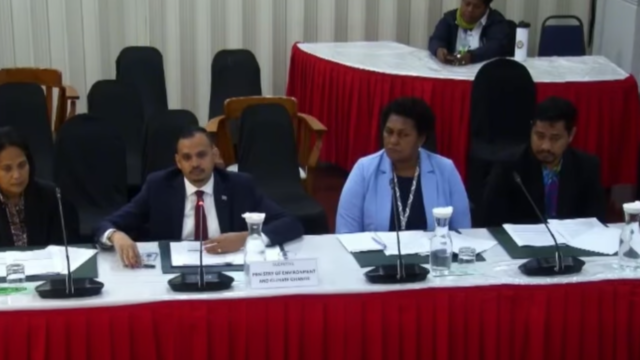
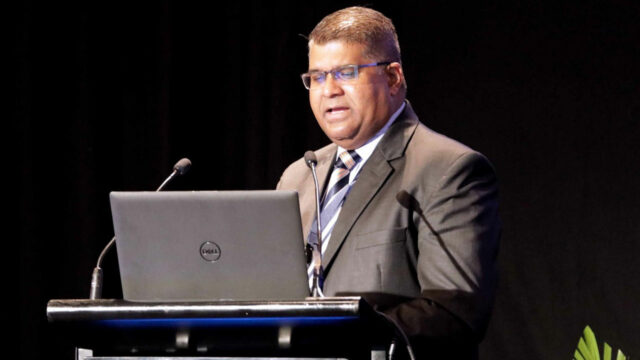
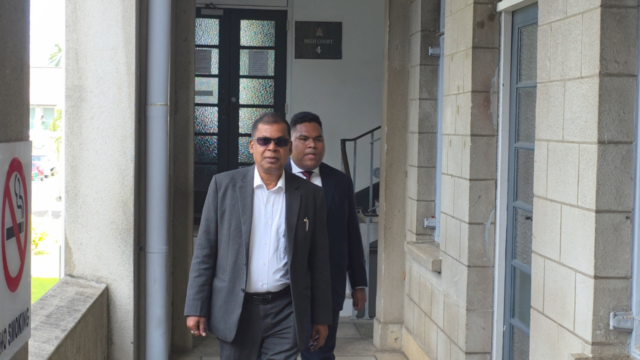
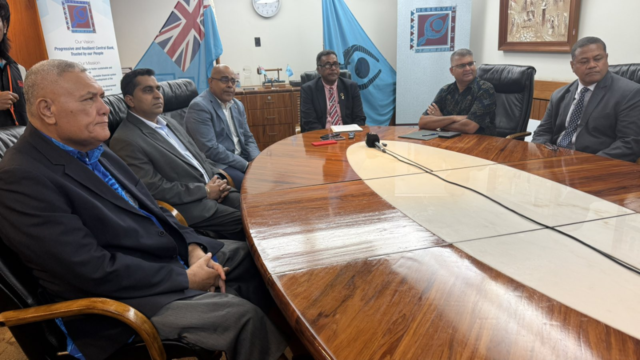
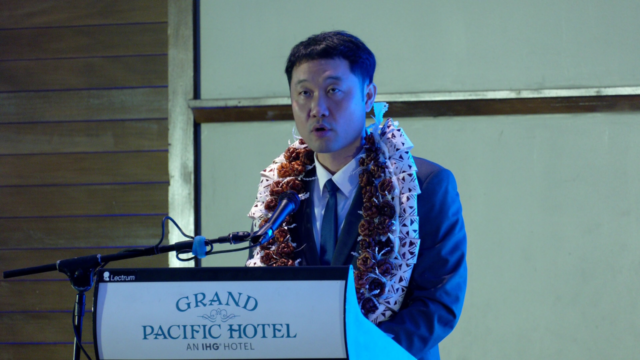
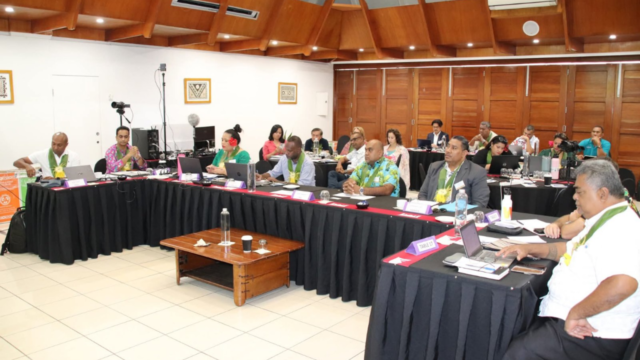
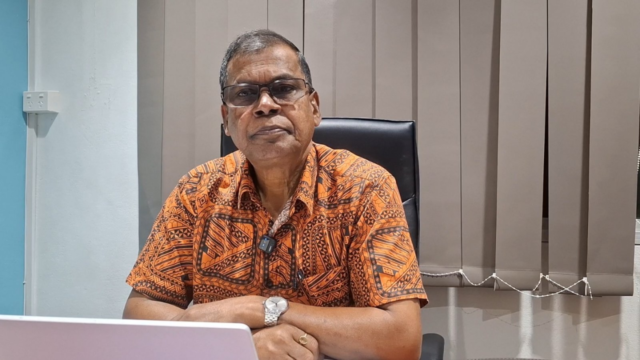
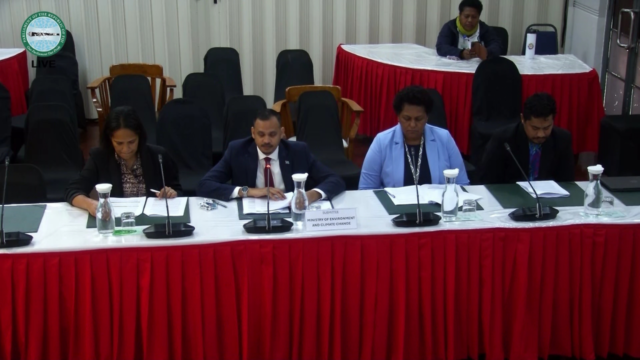
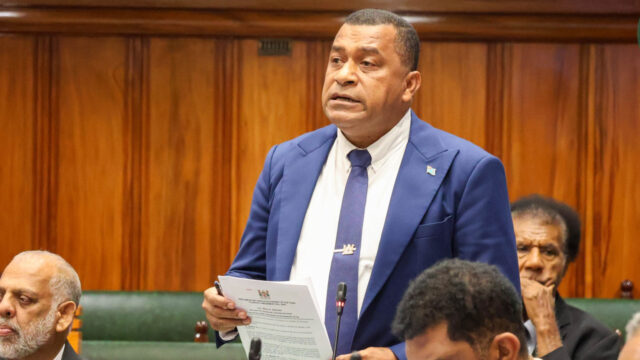
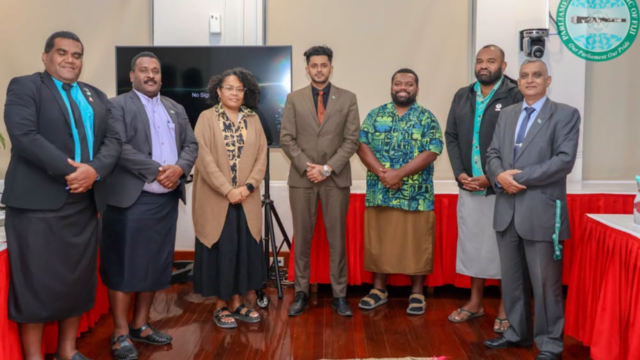
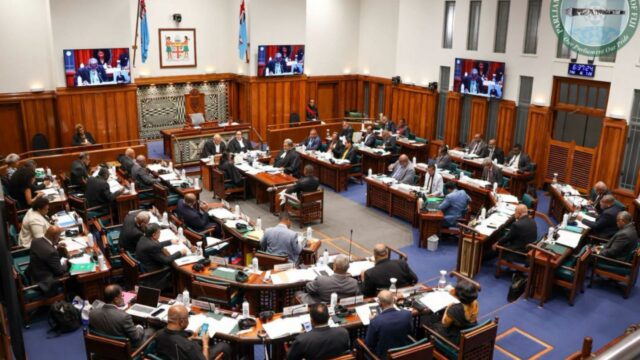
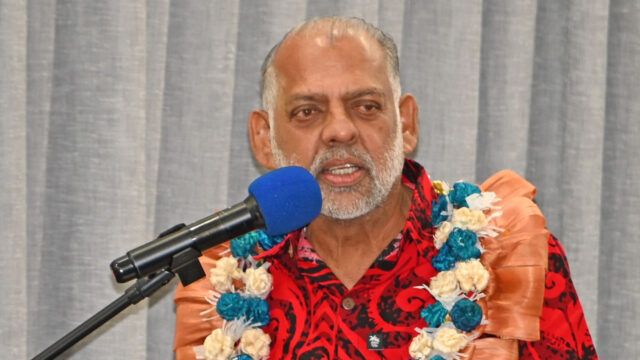
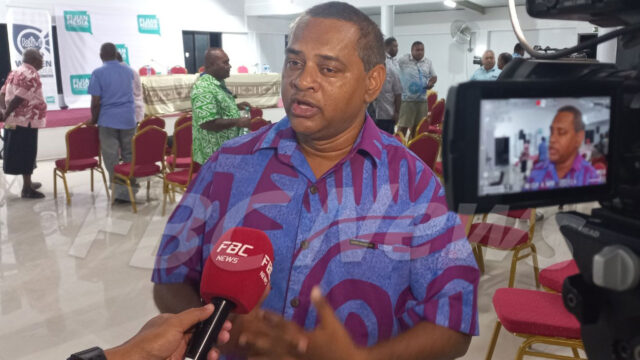
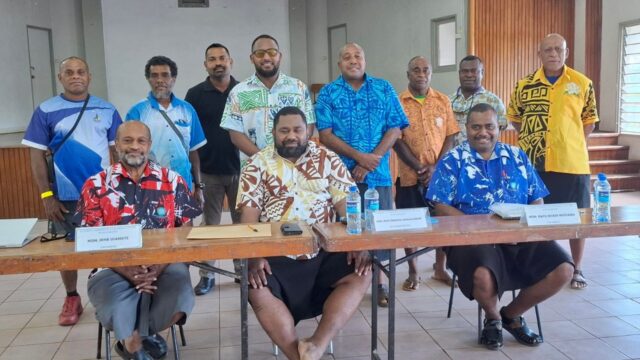
Appearing before the Standing Committee on Foreign Affairs and Defence, Permanent Secretary for Environment Dr. Sivendra Michael says the gap applies to everyone — including government ministries, statutory authorities and private companies.
He says that under the current system, those operating without the required permits are issued a non-compliance notice and given 21 days to comply.
The Ministry of Environment wants to strengthen the law so those operating without permits can be fined.
“That’s when we did our Environmental Management Act amendment last year that was passed, and you would see that there is a $50,000 fine for unauthorized development. It’s a fixed penalty. So I think we have invoked provisions in our principal act, but we have to change our regulations to enforce them.”
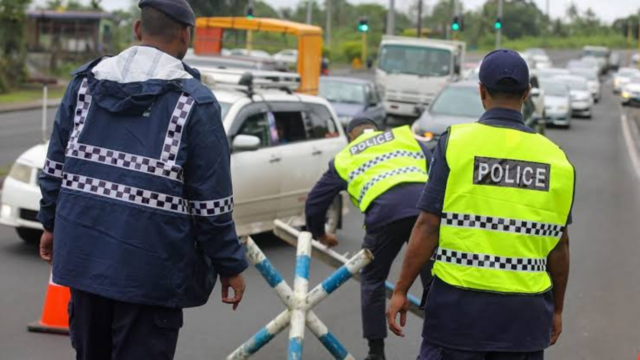
Dr. Michael adds that more than 400 public officials, including police, LTA officers and civil servants, have been trained to assist with enforcement and address the lack of manpower.
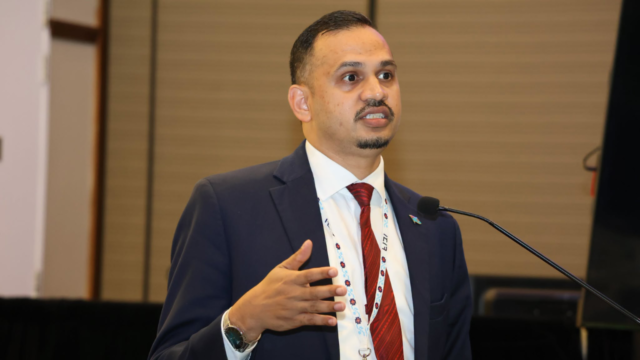
Standing Committee Deputy Chair Rinesh Sharma has stressed the importance of holding ministries and people accountable.
“It’s just say there’s a Sewa leak. How do you charge? How would you fine them, or is there any mechanism to do so, or is it just for the public?”
Dr. Michael says stronger enforcement will require officials to be more active in inspections and take action against those breaching environmental laws.