 Praneeta Prakash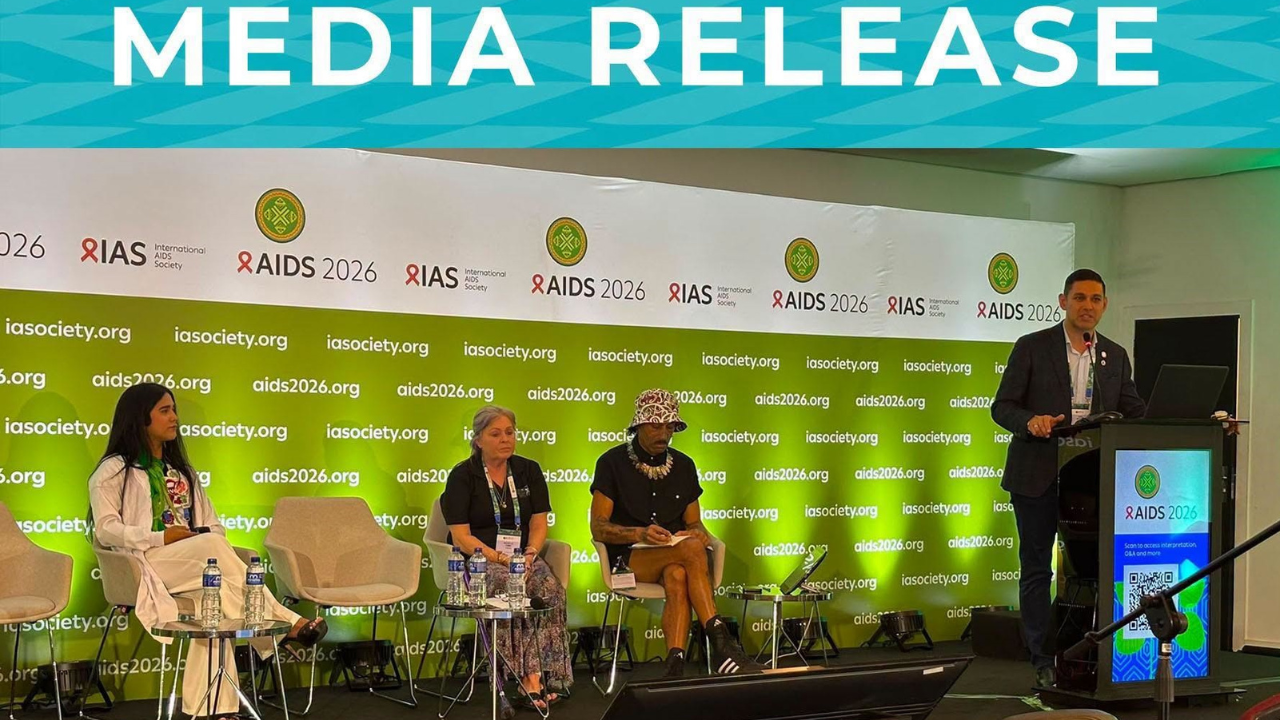
26th International AIDS Conference in Rio de Janeiro.
The Ministry of Health is calling for urgent international support as Fiji responds to a rapidly growing HIV outbreak, driven largely by methamphetamine use among young people.
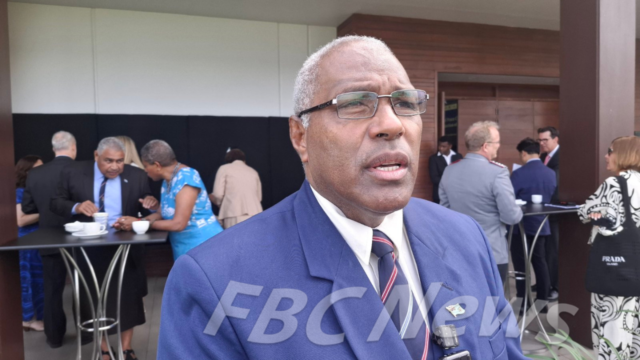
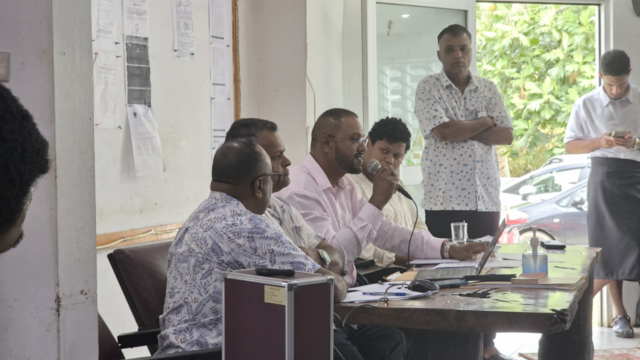
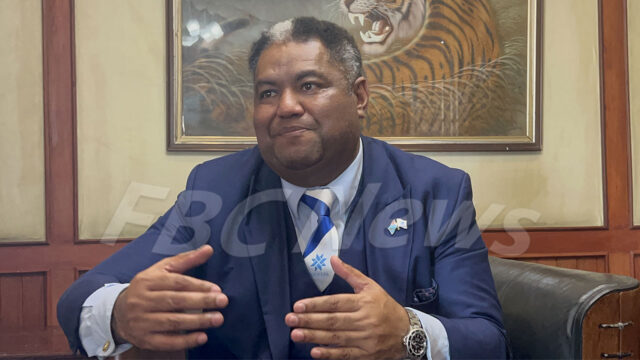
Speaking at a media roundtable during the 26th International AIDS Conference in Rio de Janeiro, Chair of Fiji’s National HIV Outbreak and Cluster Response Taskforce, Dr. Jason Mitchell, stated that the country faces an unprecedented public health challenge requiring national and global action.
Since declaring a national HIV outbreak in January 2025, the Ministry has recorded a 14-fold increase in new diagnoses over five years.
Around 1.6 percent of Fiji’s adult population – approximately 1 in 60 adults – is living with HIV, and antenatal HIV prevalence has exceeded 2 percent.
In 2025, one child was born with HIV each week, and one died monthly from related complications.
UNAIDS revised its estimate of people living with HIV in Fiji from 8,900 in 2025 to up to 12,000 in 2026, indicating transmission is accelerating faster than projected.
Fiji currently has the fastest-growing HIV epidemic globally.
Dr. Mitchell emphasizes that addressing the outbreak requires urgent international solidarity and community-level healthcare delivery.
The crisis is predominantly linked to injected methamphetamine use, with two-thirds of new diagnoses in the past year involving youth aged 20 to 34.
He warned that Fiji’s experience should serve as an early warning for other Pacific Island countries, acknowledging ongoing support from Australia and New Zealand while urging the global community not to overlook small island developing states as health funding priorities shift.