 Praneeta Prakash
[Photo: File]
The Fiji Medical Association is calling for stronger action to address workforce shortages, healthcare resources, and the growing challenges facing Fiji’s health system.
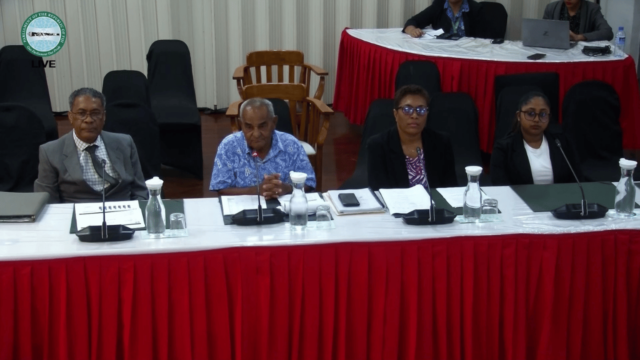
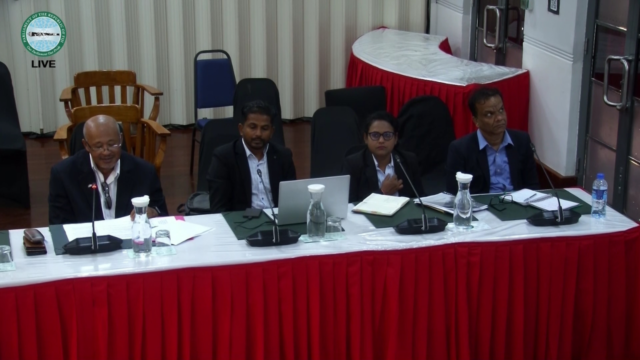
The call was made during the opening of the Fiji Medical Association’s 2026 Annual Scientific Conference.
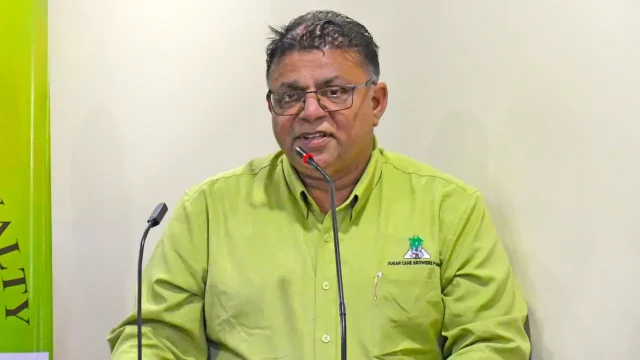
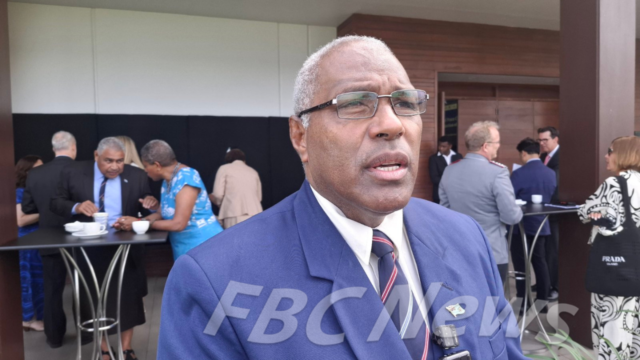
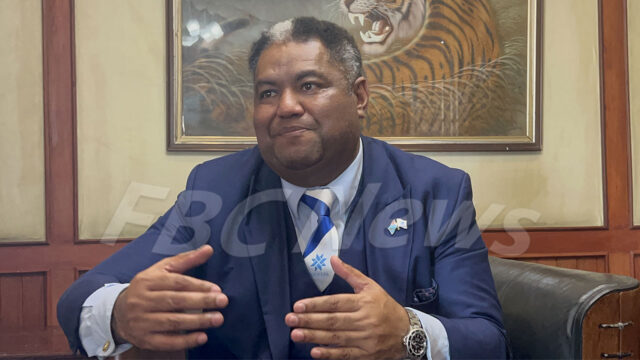
FMA President Dr Ronald Kumar also used the conference to raise concerns about the challenges faced by doctors and other health workers.
Dr Kumar says some doctors working in sub-divisional hospitals are making decisions overnight without adequate access to second opinions, blood tests, X-rays, or scans.
He says some radiology and laboratory technicians are also owed significant amounts of overtime, affecting the availability of services after hours.
“There are consultants supervising more juniors than any human being can supervise properly. There are colleagues explaining to a family for the third time this month why the scan cannot be done to them. There are health workers who have been shouted at, and some who have been threatened, for a system failure that was never theirs.”
Dr Kumar says workforce planning must be a priority, particularly as increasing numbers of medical graduates face uncertainty over employment.
He says 23 doctors are currently waiting for internship postings, with some having graduated in 2023.
The FMA President says 11 doctors from Suva have completed their required rotations but were still without jobs as of September 2026, along with two from Labasa and 10 from Lautoka.
Dr Kumar says these doctors have completed up to two and a half years of internship requirements, yet some remain without a clear pathway into employment.
He says the situation could worsen, with almost 20 more doctors expected to complete their internships at the end of the month.
Permanent Secretary for Health and Medical Services Dr Luisa Cikamatana says the health system continues to face demanding workloads, workforce gaps, delays and increasingly complex healthcare needs.
She is urging health professionals and leaders to focus on improvements that patients can directly experience, including timely referrals, better follow-up, clearer discharge processes and improved communication.
She is also calling for stronger support for health workers, purposeful supervision of young doctors and practical partnerships between the Ministry, medical associations, medical schools, private providers and development partners.