 Litia Cava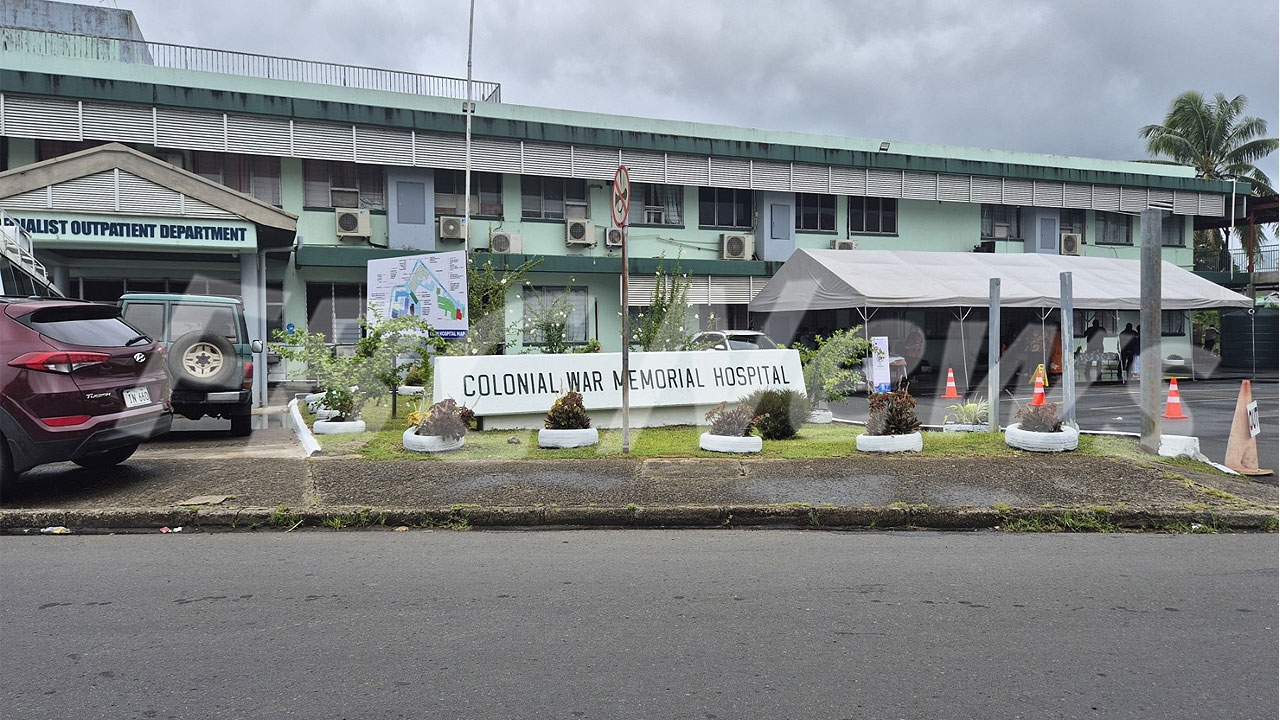
[Photo: File]
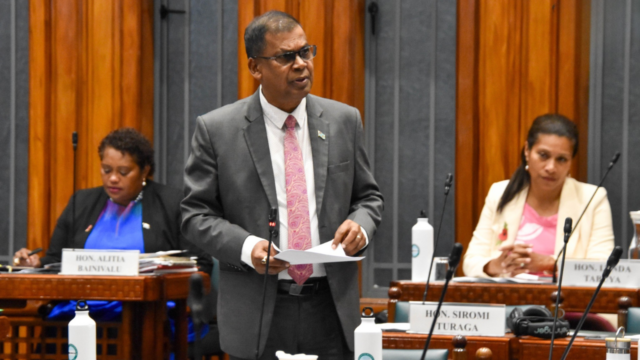
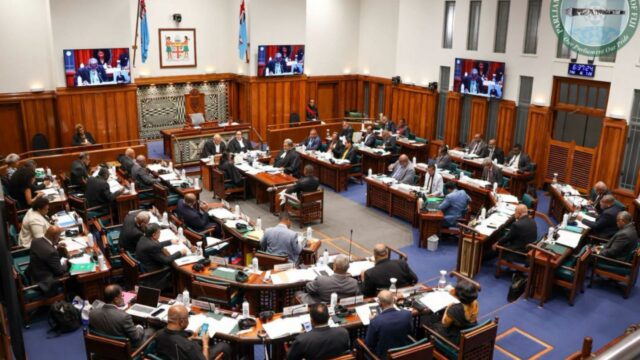
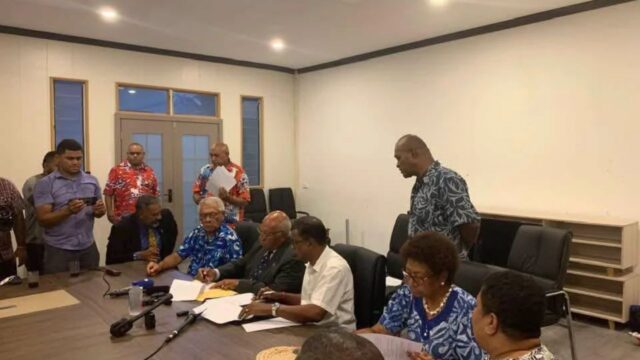
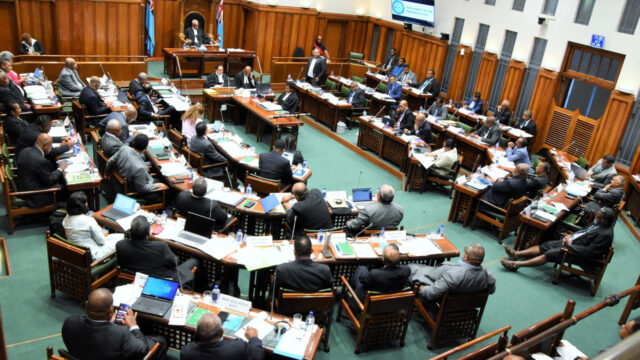
Fiji’s ability to fund its own health system is under scrutiny, with members of the Standing Committee on Foreign Affairs and Defence questioning the country’s reliance on foreign aid.
They also challenged the Ministry of Health on hospital priorities and how Australian funding will be used.
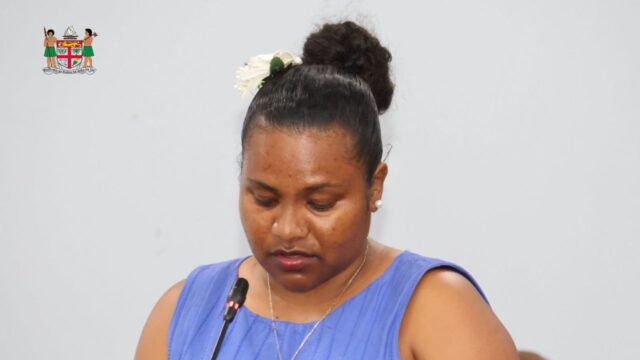
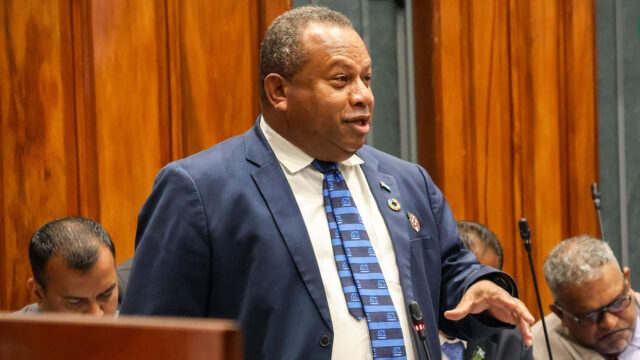
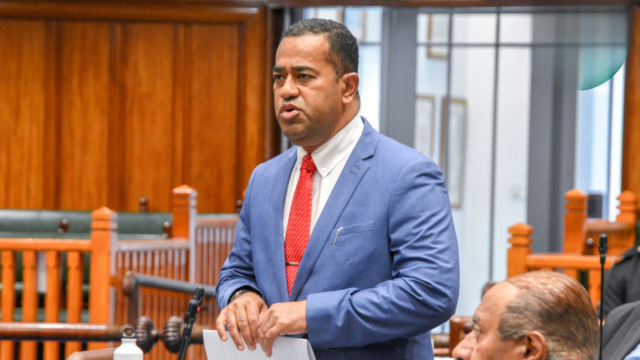
Committee Member Rinesh Sharma asked the Ministry to quantify Fiji’s dependence on foreign assistance, particularly as the proposed treaty includes a long-term health partnership with Australia.
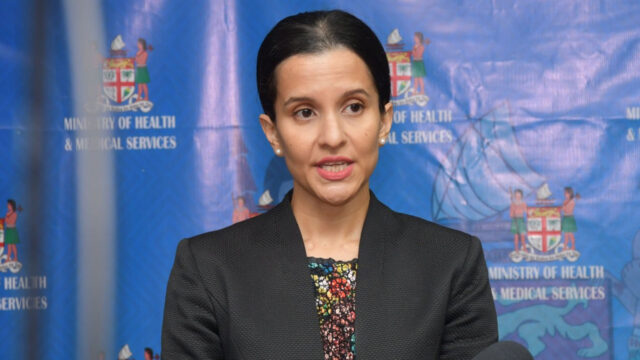
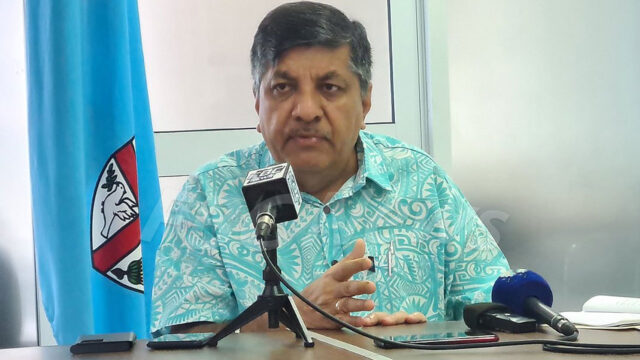
Acting Permanent Secretary for Health Dr Luisa Cikamatana told the committee the Ministry’s annual budget is close to $477 million.
She said current Australian bilateral assistance is around $6million a year and can increase to about $10 million.
“So this year, the first year, we’re working on strengthening our health system. So hopefully, as we strengthen and we know our processes, we collect all our data, we know how much we’re spending, we’ll also know what’s our gap, and then we’ll be ready to say, this is our gap.”
Dr Cikamatana said the funding does not take over Fiji’s health budget.
Instead, she described it as support that complements the Ministry’s own plans.
But Sharma questioned whether Fiji is prioritising its most urgent health needs.
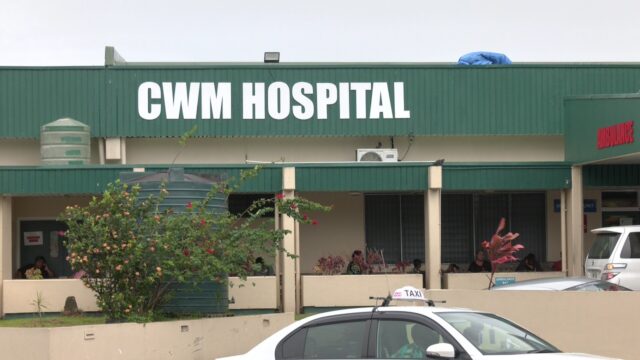
He pointed to overcrowding at the Colonial War Memorial Hospital emergency department, saying patients were sitting on benches while other infrastructure work was being carried out.
Sharma questioned how the Ministry would prioritise projects under a proposed ten-year approach.
Dr Cikamatana said the $14 million Australian assistance announced in 2025 was already being used as part of the CWM master plan.
She said the plan included a clinical services assessment and a priority infrastructure plan.
The next stages include a feasibility study and business case for a new national referral hospital.
Sharma also questioned whether Australian funding would be tightly restricted to specific projects or whether it could be redirected when urgent gaps emerge.
Dr Cikamatana said the existing bilateral funding is flexible and that she did not expect that to change.
She said better planning, budgeting and monitoring would be needed to ensure funding responds to the Ministry’s actual gaps.
The hearing also raised a broader concern over Fiji’s long-term health financing.
Dr Cikamatana said the Ministry was developing a new national strategic plan aimed at identifying exactly what the country needs and where development partners can assist.
She said the objective was to have one plan, one budget and one monitoring and evaluation system, rather than allowing individual donors to operate separately from Fiji’s national priorities.