 Litia Cava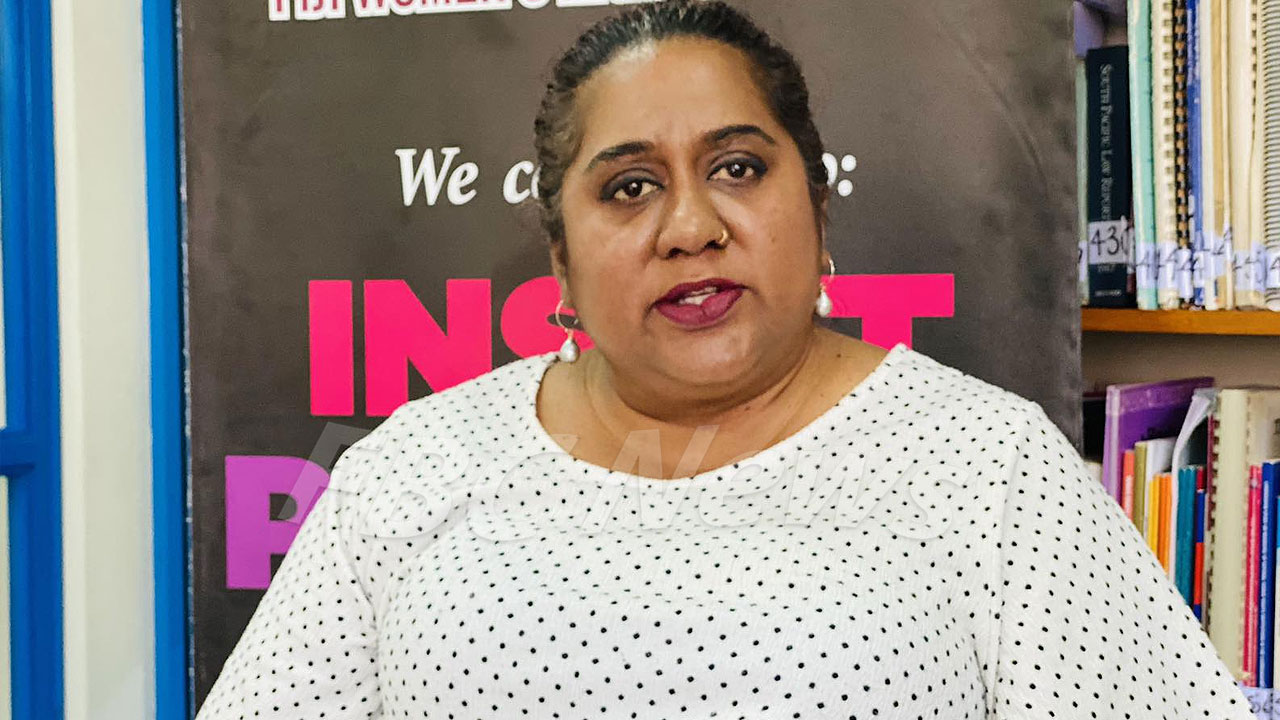
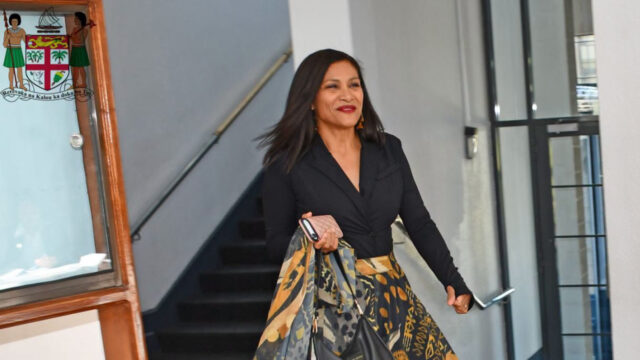
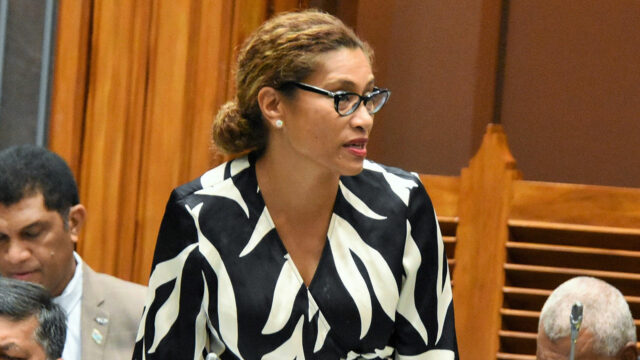
[Photo: File]
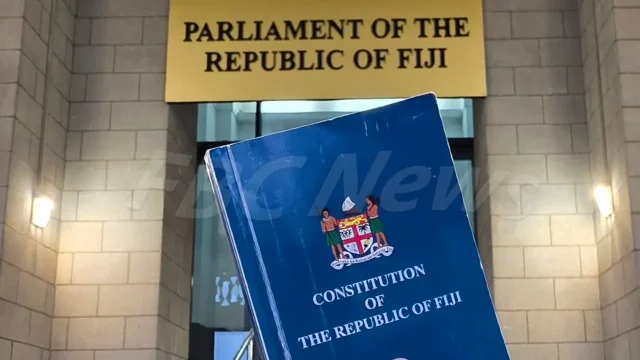
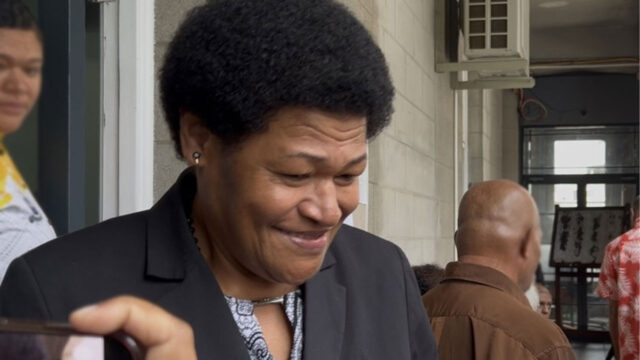
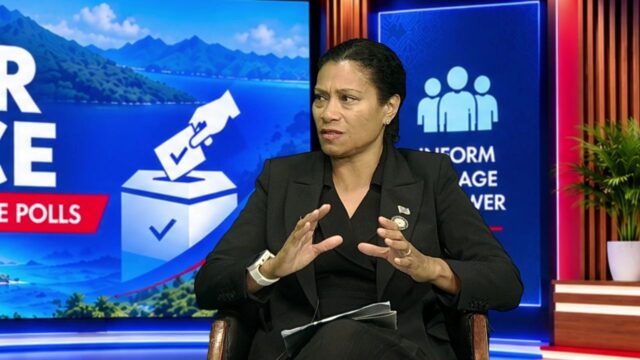
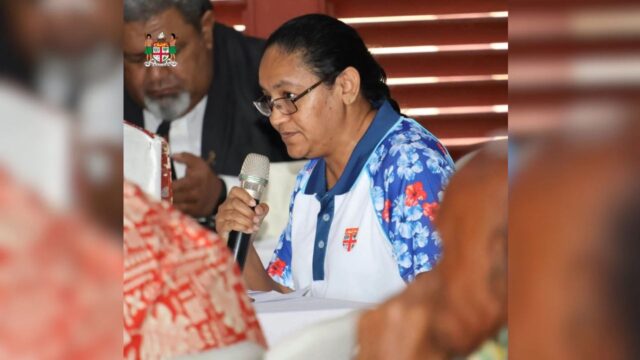
The Fiji Women’s Rights Movement says Fiji’s latest electoral reforms have missed a critical opportunity to increase the number of women in Parliament.
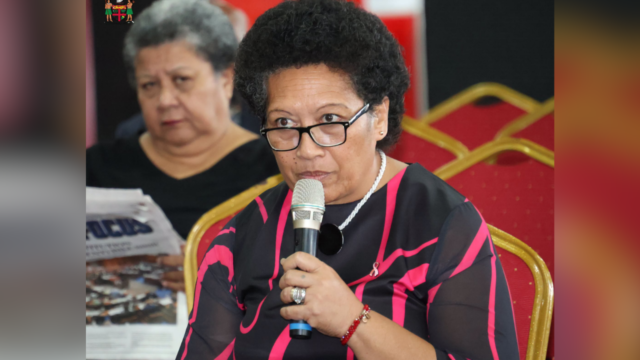
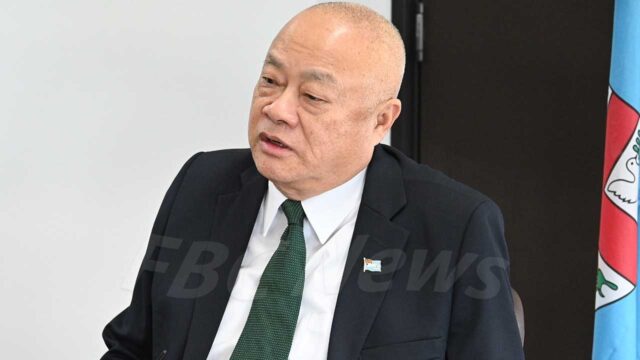
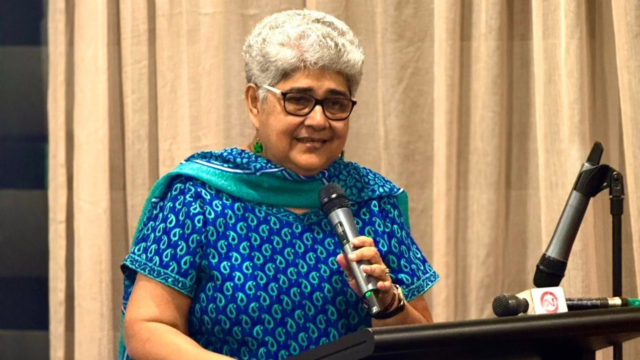
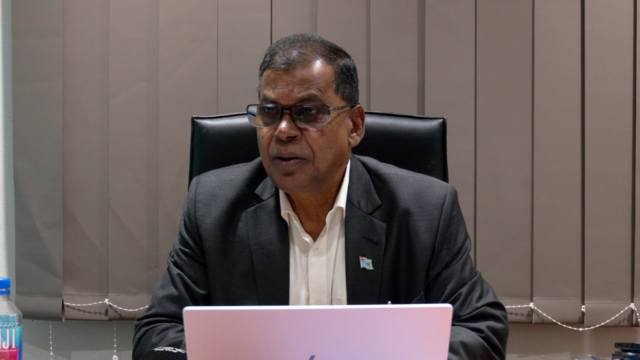
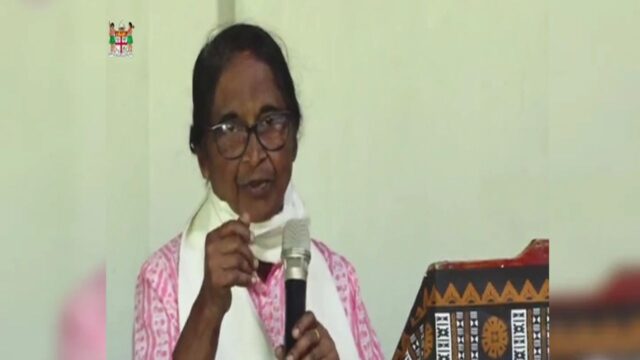
FWRM Executive Director Nalini Singh told the parliamentary committee considering three electoral bills that women’s groups had pushed for temporary special measures to address the low representation of women in Parliament.
She said the proposal was raised during submissions to the Electoral Reform Commission but was not included in the latest amendments.
“I hope that in the outset you will recognize that this was an opportune time to introduce some measures somewhere, because there were a plethora of different ways in which we could have been addressing the issue suggested in our submissions, but none of it made it into this round, so we are very disappointed with that, but with the three bills that we have, we appreciate that we have the opportunity to make our submissions to you, and our assessment and submission is guided by our constitution.”
Singh points out that women in Fiji have been raising the issue for more than a decade and are disappointed that their concerns have again not been reflected in electoral reform.
She said Parliament had an opportunity to introduce measures that could have improved women’s political representation.
FWRM is also opposing the proposed removal of the 48-hour media blackout period at this stage.
Singh said removing the restriction could increase political communication and freedom of expression, but it would also create a more volatile information environment immediately before voting.
She says social media can rapidly spread misinformation, manipulated content, harassment and targeted political messaging.
Women candidates, she says, are particularly vulnerable to gender-based abuse, character attacks and online harassment, while LGBTIQ+ candidates and other marginalised groups could also face targeted abuse.
Singh states that FWRM is not seeking to restrict legitimate political expression but wants stronger safeguards before the blackout is removed.
She adds that voters need better protection from misinformation, harassment, intimidation and discriminatory political abuse.
The committee questioned whether the safeguards Singh is calling for could simply be included in regulations rather than the legislation itself.
Singh said that would only work if the public clearly understood the new rules and their consequences.
She points out that many people in communities do not fully understand what the existing 48-hour blackout means, particularly in relation to social media.
Singh said extensive public awareness would therefore be necessary before the restriction is removed.
FWRM is calling for systems to report electoral misinformation and harassment, rapid responses to unlawful threats and intimidation, protection for candidates facing gender- based abuse, and voter education on identifying misleading electoral information.
FWRM appeared before the Standing Committee on Justice, Law and Human Rights.