 Reuters
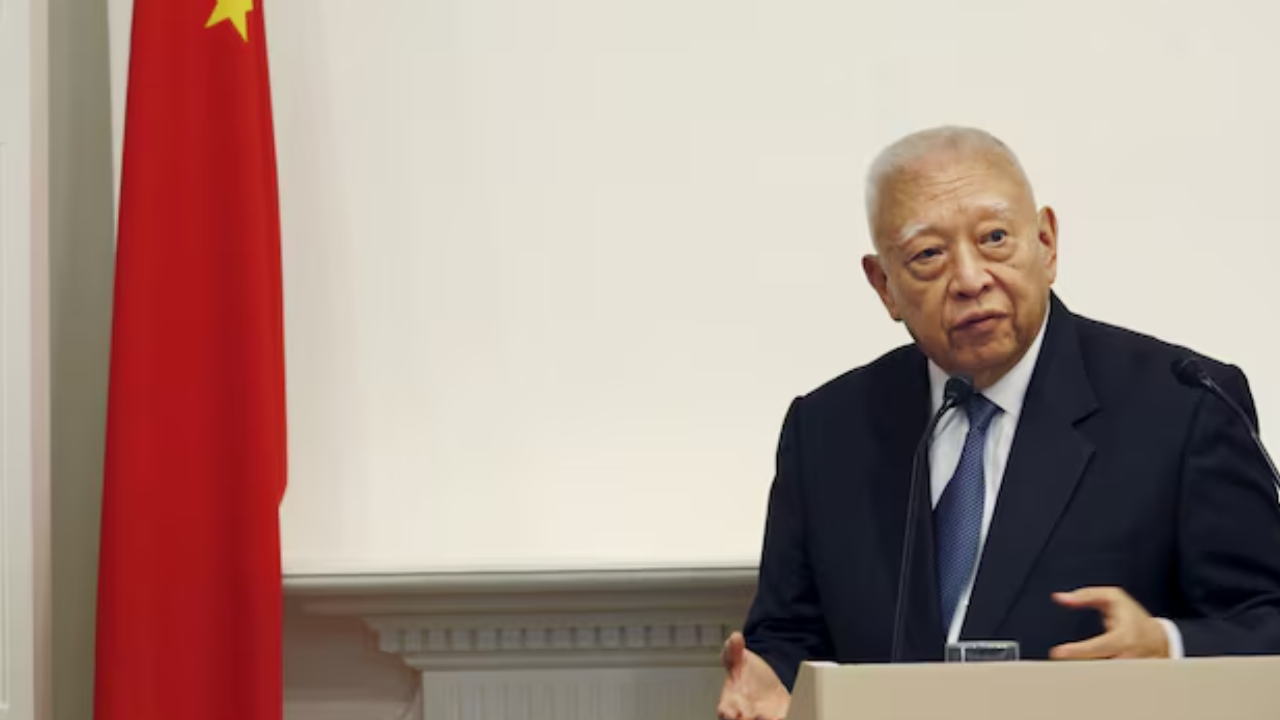
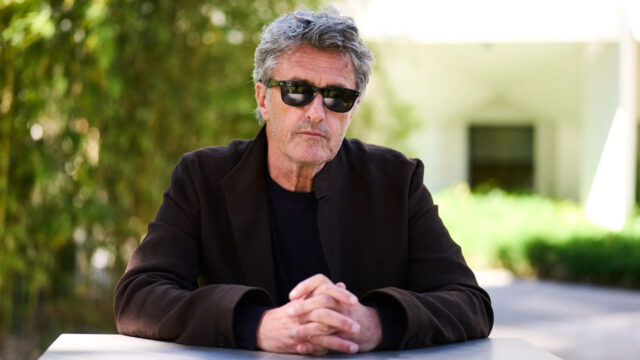
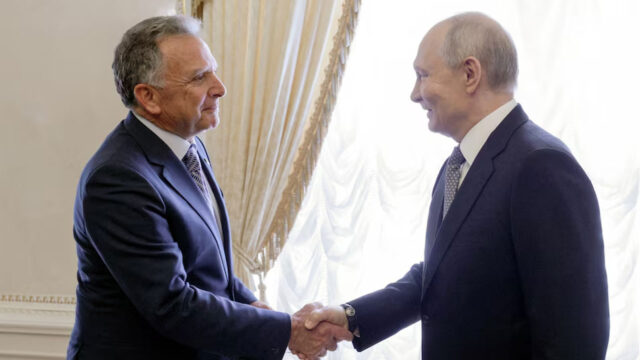
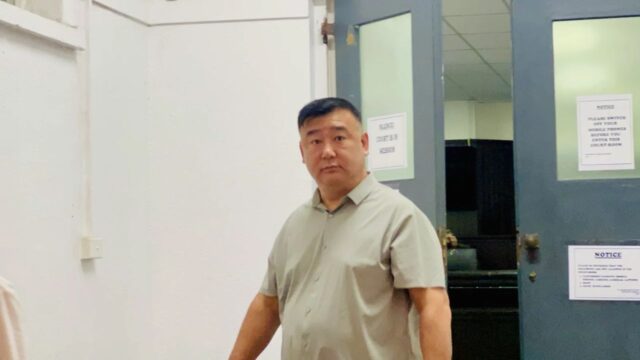
Former Hong Kong Chief Executive Tung Chee-hwa. [Photo Credit: Reuters]
“For the first time in history, we, the people of Hong Kong, will be master of our own destiny.” On July 1, 1997, Tung Chee-hwa delivered his first speech as chief executive of the territory, following its handover from the United Kingdom to China.
“The Special Administrative Region Government is fully committed to preserving the Hong Kong way of life, maintaining Hong Kong’s free and open economic system, upholding the rule of law, and building a more democratic society,” he said.
Six years later, Tung sought to push through Article 23. The proposed security law, covering offences like treason and sedition while expanding police powers, was widely seen as Chinese encroachment on Hong Kongers’ freedoms.
It triggered a half-million-strong protest, with many demonstrators wearing black as a sign of mourning.
Tung backed down. But the events of 2003 set the stage for increased tensions between opposition democrats and Beijing over the city’s future. These eventually boiled over with major, months-long pro-democracy movements in 2014 and 2019.
Tung’s ill-fated Article 23 bill was eventually approved in March 2024 by a predominantly pro-Beijing legislature.
A former shipping tycoon, Tung Chee-hwa led Hong Kong as it emerged from more than 150 years of British colonial rule and adopted the “one country, two systems” principle, whereby the territory rejoined China but was afforded a high degree of autonomy from the mainland authorities.
His time in office also showed the limits of that principle.
He died on Tuesday aged 89, South China Morning Post reported, citing a statement from his office. No cause of death was given.