 Litia Cava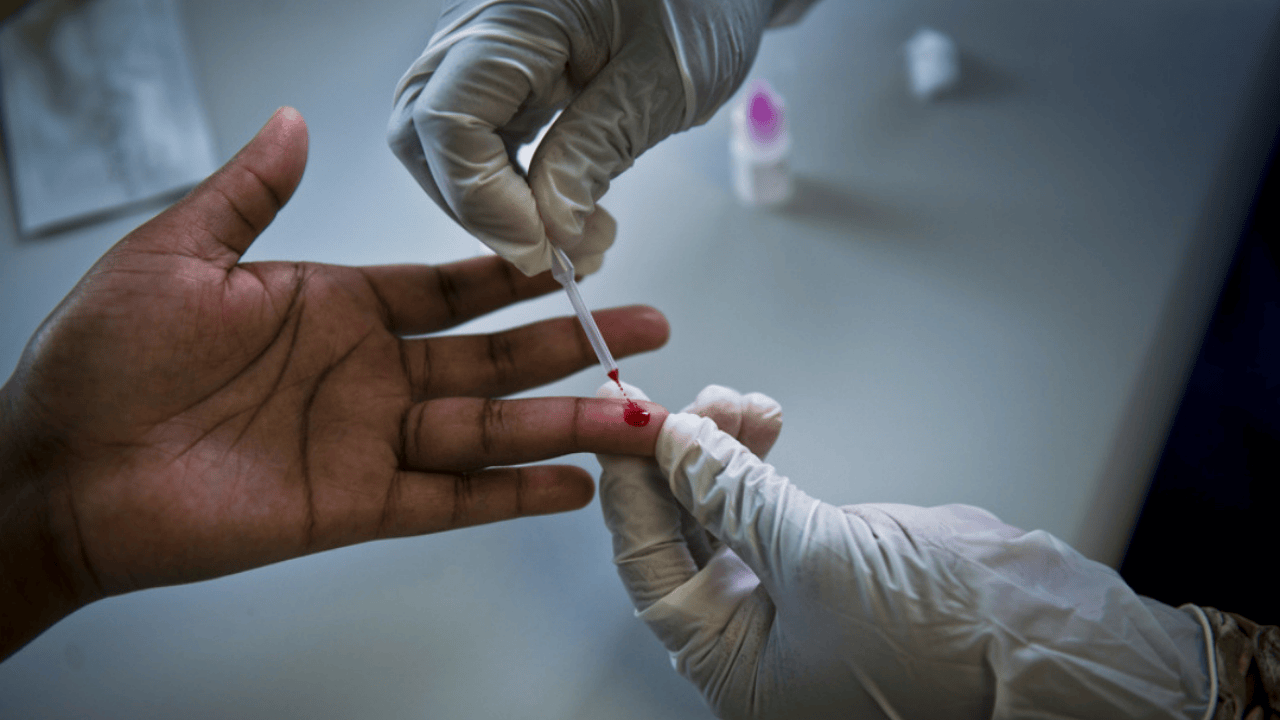
[Photo: File]
Fiji’s worsening HIV crisis is exposing deeper weaknesses in the country’s health system, with the Health Ministry now looking to the Fiji-Australia Vuvale Union to strengthen prevention, treatment and the workforce needed to respond.
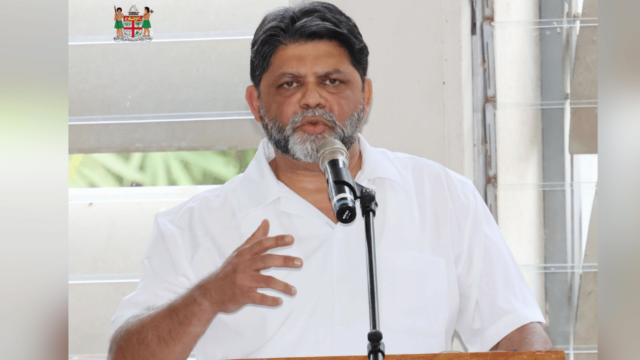
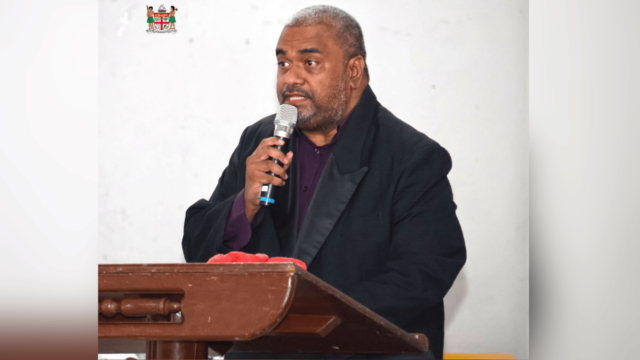
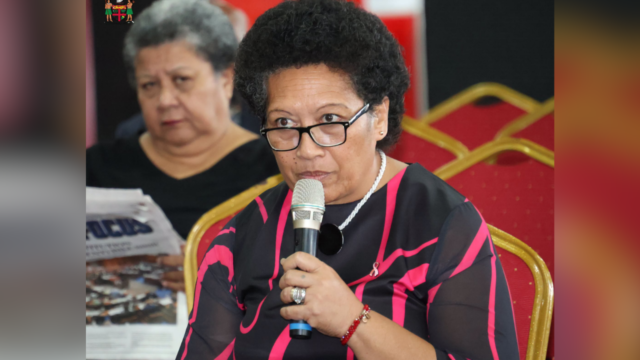
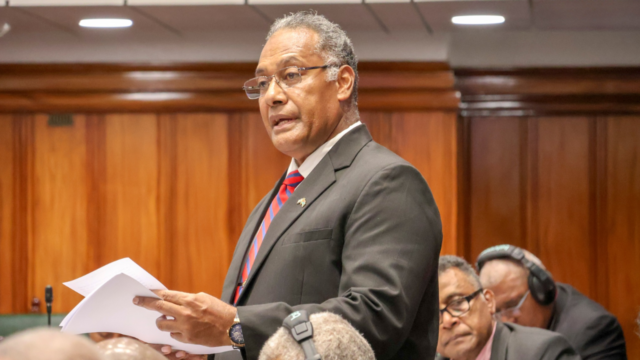
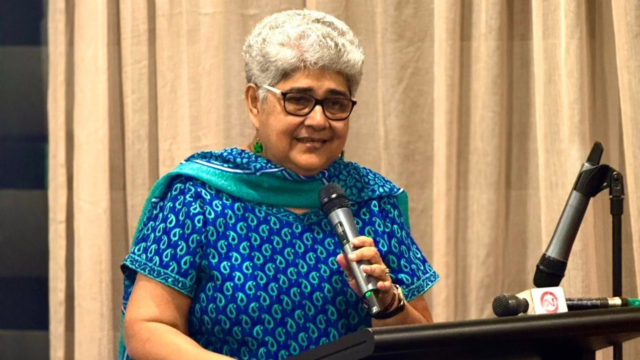
Acting Permanent Secretary for Health Dr Luisa Cikamatana states the urgency goes beyond the rising number of HIV diagnoses.
Fiji’s 2025 HIV surveillance report recorded more than two thousand new diagnoses, the highest annual figure reported.
It also recorded 117 HIV-related deaths, while a significant proportion of people newly diagnosed were not enrolled in care when the data was recorded.
“For HIV, the indicators will include linkage to treatment, retention, viral suppression, prevention of mother-to-child transmission, mortality and equitable access. For the workforce, we will measure vacancies, retention, specialist capability, rural distribution and the number of Fijian trainers developed.”
Dr Cikamatana states the response must therefore focus on more than testing.
She says people must be connected to treatment quickly, kept in care and supported to achieve viral suppression, while stigma remains a major barrier to people seeking help.
The Ministry wants the Vuvale Union to support community-based prevention, mobile health education, risk communication, public health research and stronger data capability.
But HIV is only one pressure point.
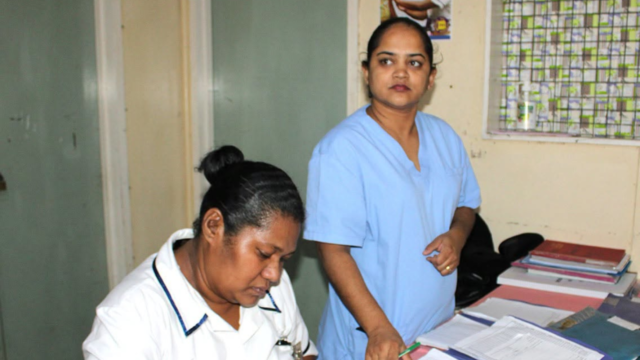
Dr Cikamatana said Fiji also faces a heavy burden of non-communicable diseases, overstretched primary care, and an unevenly distributed health workforce.
That means the partnership is being framed as a health-system intervention rather than a single disease program.
The proposed health work plan includes training and mentoring with Australian hospitals, specialist outreach, telehealth and institutional exchanges.
But Dr Cikamatana says Fiji must gain lasting capacity from that support.
The objective, she was not to have a succession of overseas specialists making short visits, but to build expertise that remains within Fijian institutions.
The same concern applies to infrastructure.
The partnership includes support for major hospital investment, but Dr Cikamatana says a new building will not automatically produce better healthcare.
She says facilities need enough trained staff, functioning equipment, reliable utilities, digital systems, infection prevention measures and long-term maintenance.
And she says Fiji’s health interests must remain protected throughout the partnership.
Health decisions are to remain under civilian health authority, while patient confidentiality and Fiji’s data sovereignty are to be protected.
The Ministry also wants the ten-year arrangement judged on results.
That includes whether more people living with HIV are accessing and staying in treatment, whether viral suppression improves, whether health-worker vacancies and retention improve, and whether services become more accessible outside the main centres.