 Litia Cava
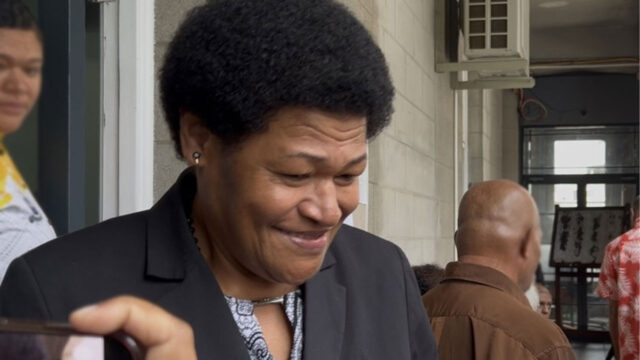
[Photo: File]
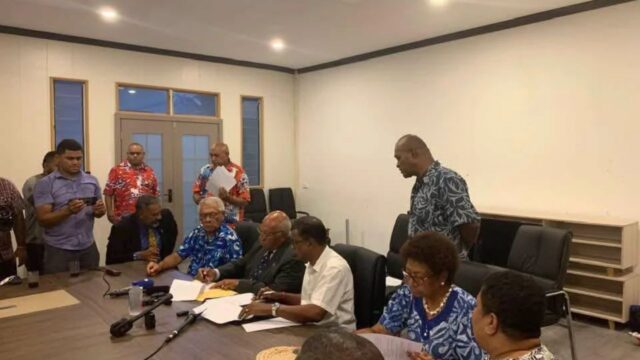
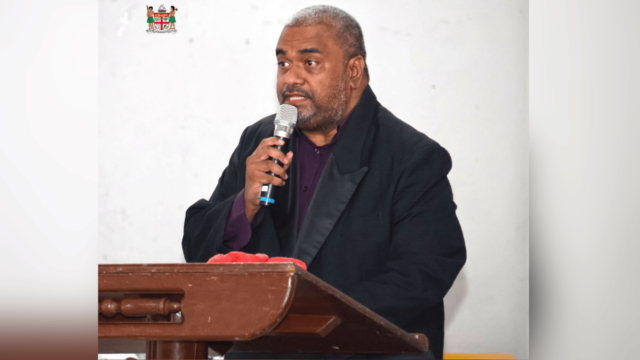
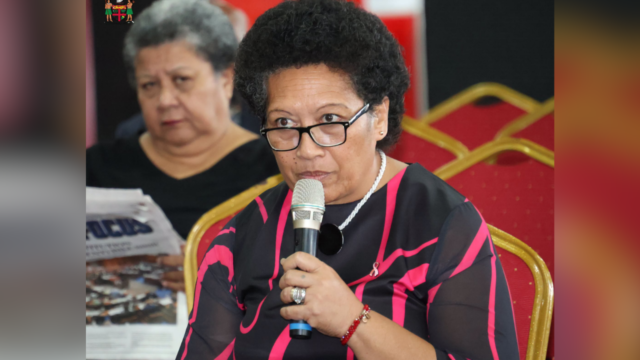
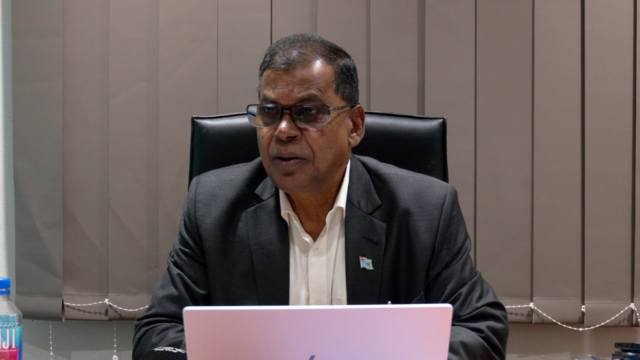
The Fiji Women’s Rights Movement says allowing political parties and candidates to transport voters to polling stations could create a dangerous grey area between helping people vote and influencing how they vote.
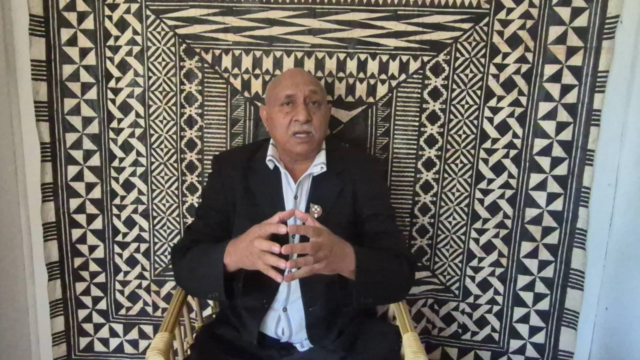
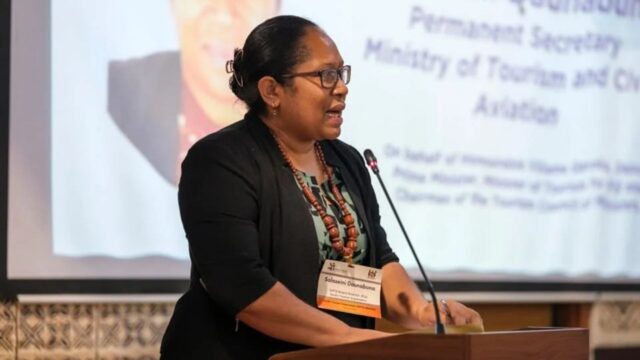
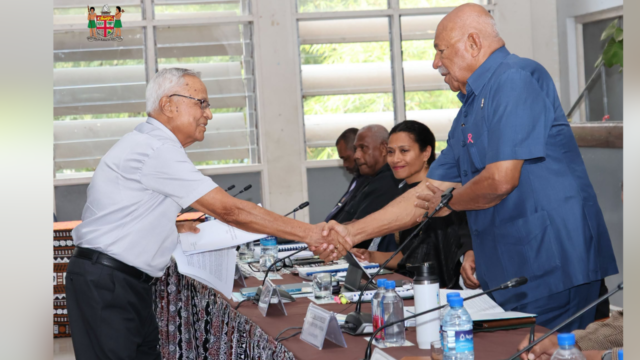
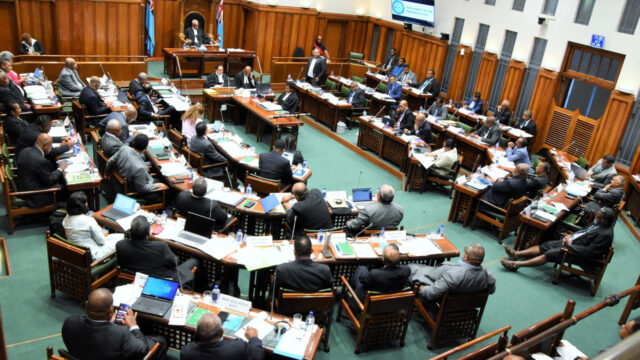
FWRM Executive Director Nalini Singh told the parliamentary committee that transport is a genuine barrier for many voters, particularly people in rural and remote communities, older people and persons with disabilities.
But she says assistance provided by candidates must never become a political transaction.
FWRM is recommending strict safeguards if candidates and political parties are allowed to provide transportation.
These include prohibiting political persuasion during transportation, preventing passengers from being required to disclose their voting preferences, banning the collection of voter information through transport arrangements and ensuring equal access to the service.
Singh also wants safeguards against intimidation and inducement, backed by clear enforcement mechanisms.
She says women can face additional transport barriers because of safety concerns, care responsibilities and limited independent access to transport.
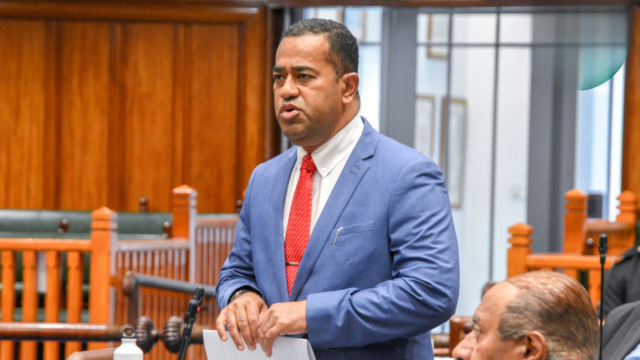
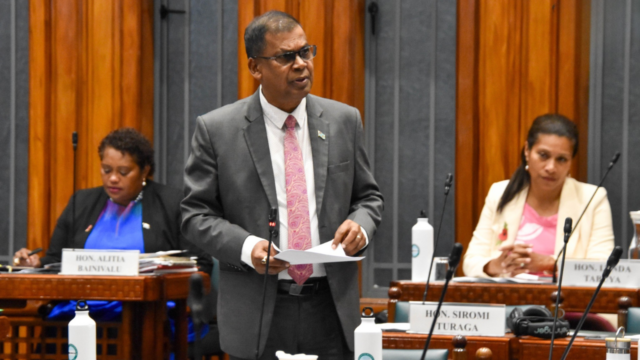
However, committee member Faiyaz Koya questioned whether policing political transport would place an additional burden on the elections office. He also raised a more difficult scenario.
Koya asked whether a candidate could provide transport, food and other assistance, receive no votes from the people assisted and still remain in government.
Singh responded that providing transport should not be linked to an expectation of votes.
She says if the genuine purpose is to help voters reach polling stations, the assistance should not be treated as a political inducement.
But she acknowledged that the line between assistance and inducement can easily become blurred.
Koya then raised an even stronger concern, saying one prosecuting authority believes providing such assistance could amount to inducement and potentially constitute a corrupt offence. Singh agreed that the issue was serious.
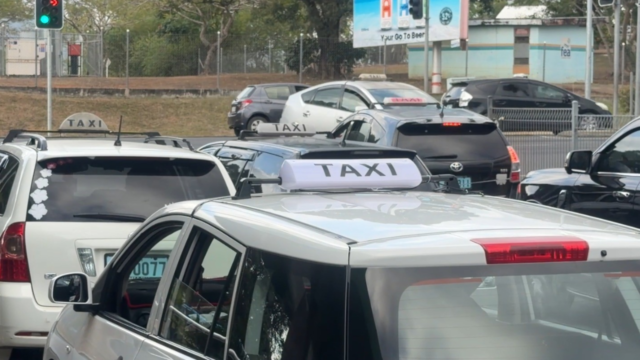
She says the question remains who will provide transport if political candidates are prevented from doing so, given that access to transport is already a recognised barrier for some voters.
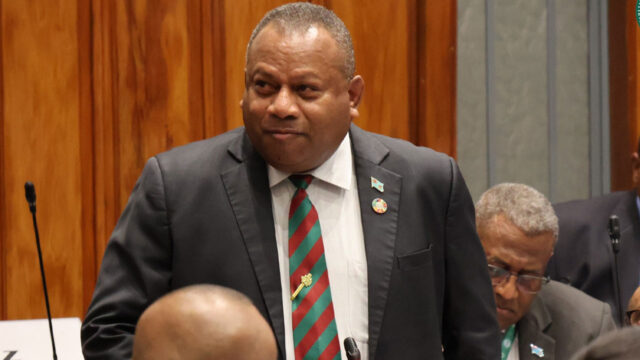
Committee member Jone Usamate asked whether FWRM would prefer transport to be provided by a neutral organisation rather than political parties.
Singh said a neutral provider would be preferable, but questioned who would fund such an arrangement.
She also pointed to previous elections where transport, food, water and other assistance were provided to voters.
Singh says there is a need to examine evidence of whether those services actually resulted in undue influence over voters.
Instead, she argues that some of the current restrictions may have created fear and pressure around voting.
She says the priority should be getting people to participate in elections while making sure they understand that receiving assistance does not mean they are obliged to vote for the person providing it.
Singh says Fiji needs a comprehensive public education campaign explaining the entire voting process and making clear what assistance is lawful and what could amount to political inducement.
FWRM believes clearer and more consistent public education could reduce confusion and help voters exercise their rights without fear or pressure.