 Riya Bhagwan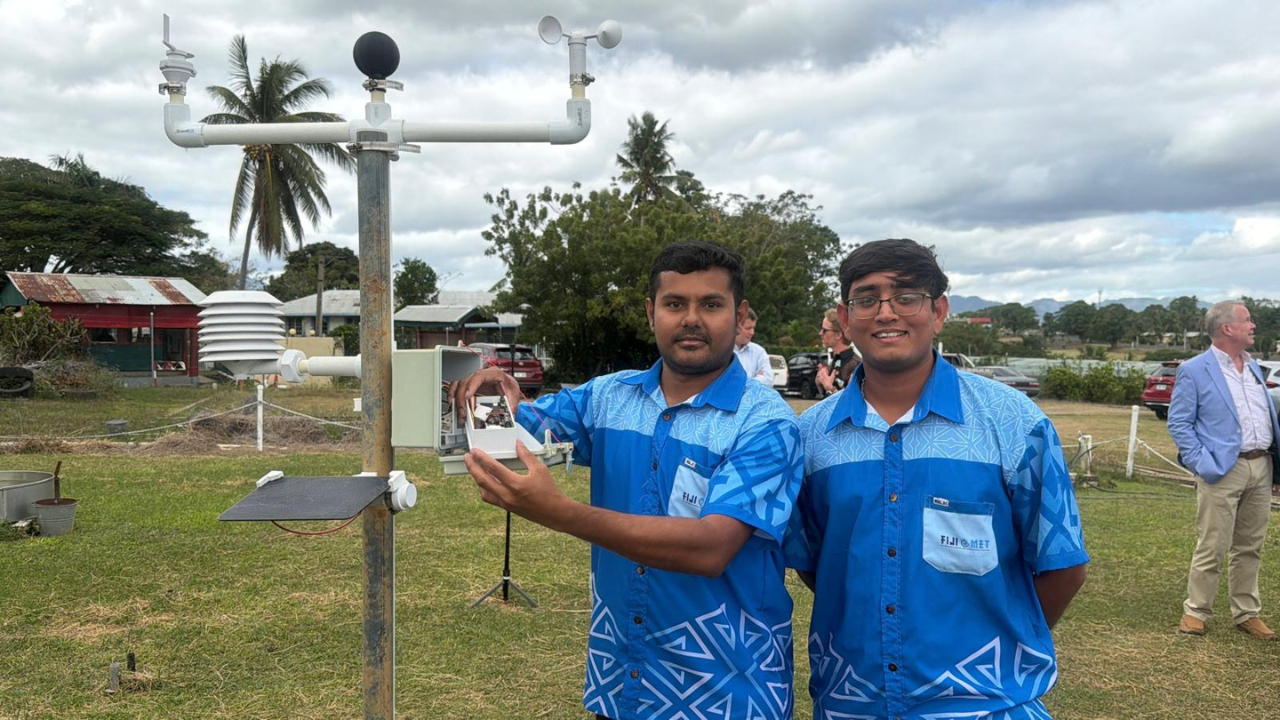
[Photo: Supplied]
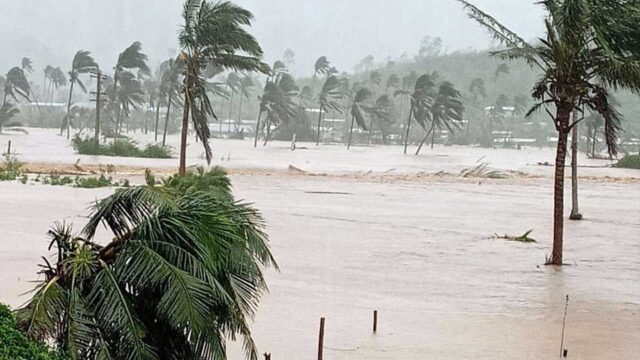
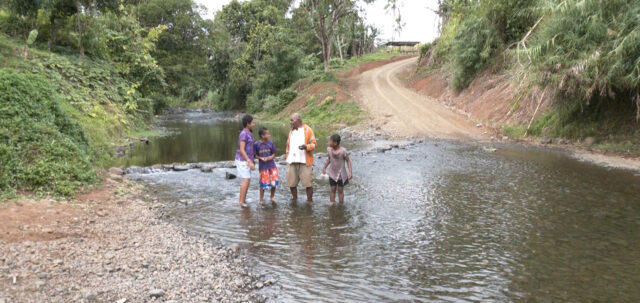
Remote communities across Fiji that have long faced challenges accessing reliable weather information could soon benefit from improved early warnings for cyclones, floods and other extreme weather events.
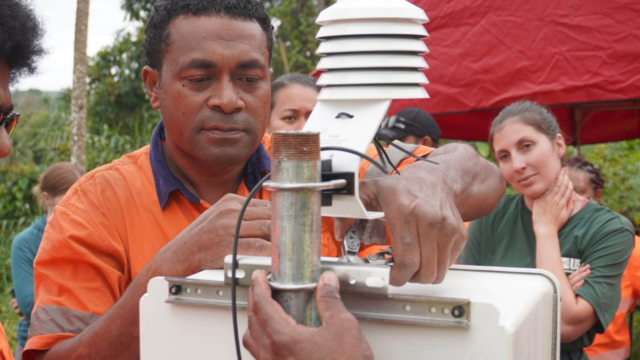
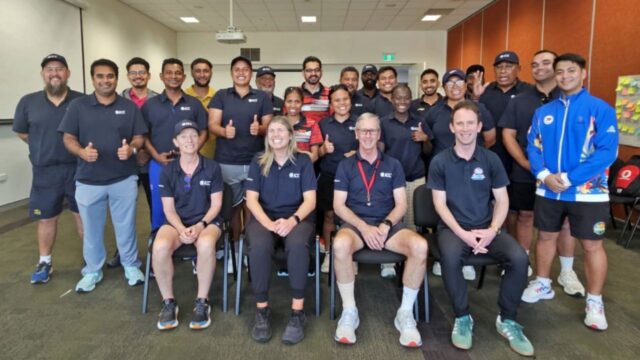
This follows a week-long technical workshop supporting the introduction of 3D-Printed Automatic Weather Stations, commonly known as 3D-PAWS, to the Fiji Meteorological Service.
The low-cost technology is designed to expand weather data collection and strengthen forecasting capabilities across the country, with plans underway to deploy the stations in remote areas.
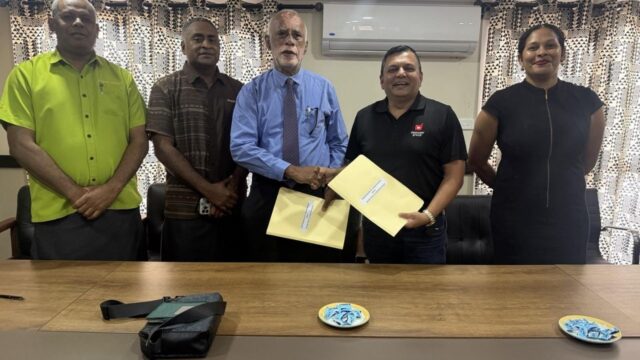
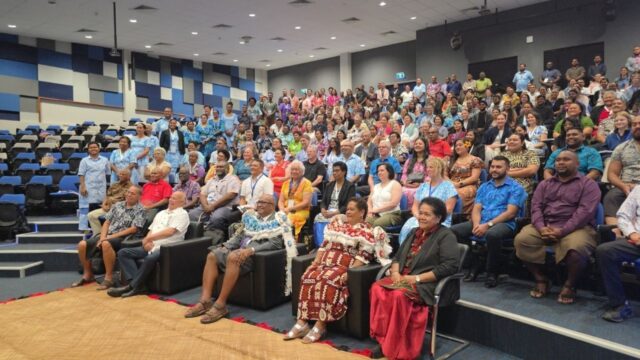
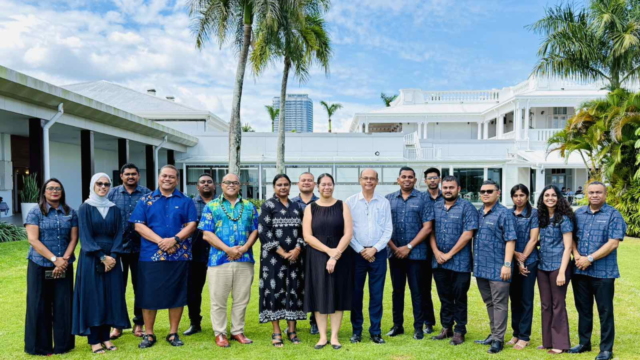
The workshop, led by the University Corporation for Atmospheric Research’s Cooperative Program for Operational Meteorology, Education, and Training, trained Fiji Meteorological Service staff to build, deploy and maintain the systems.
Funded by the US Department of State’s Bureau of Disaster and Humanitarian Response and the US National Weather Service, the workshop has resulted in the deployment of nine stations in Fiji, with an additional 40 planned.
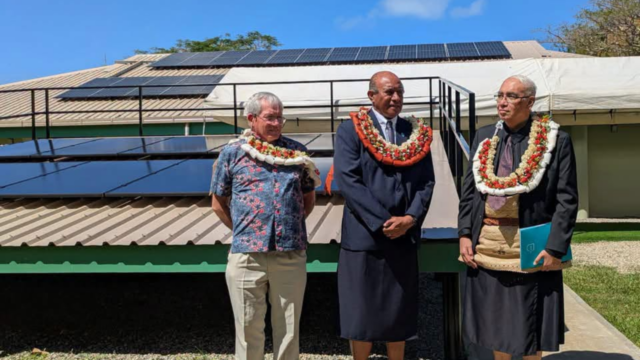
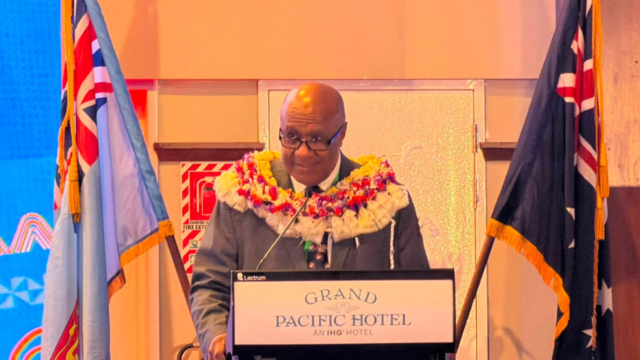
U.S. Embassy Suva Chargé d’Affaires Kelly Busby said the stations measure key weather conditions including temperature, rainfall, wind speed, wind direction, humidity and atmospheric pressure.
The data collected will support more accurate forecasting, agricultural monitoring, public health applications and disaster preparedness.
“With this innovative American technology, Pacific nations can build out a weather station network in about a week at less than 500 US dollars for each station, something that used to cost thousands and even tens of thousands of dollars.”
Busby said Pacific nations can now build weather station networks at a significantly lower cost compared with traditional systems, which previously required thousands or tens of thousands of dollars.
The stations use locally sourced materials, 3D printers and micro-sensor technology from United States company Maxbotix.
The technology also allows meteorological services to repair damaged components locally by printing replacement parts.
Busby said many areas of the Pacific remain sparsely observed, meaning there are not enough weather stations to provide the data needed for accurate forecasts.
Improved weather observations will help close this information gap and strengthen the tracking of tropical cyclones and other hazards.