 Litia Cava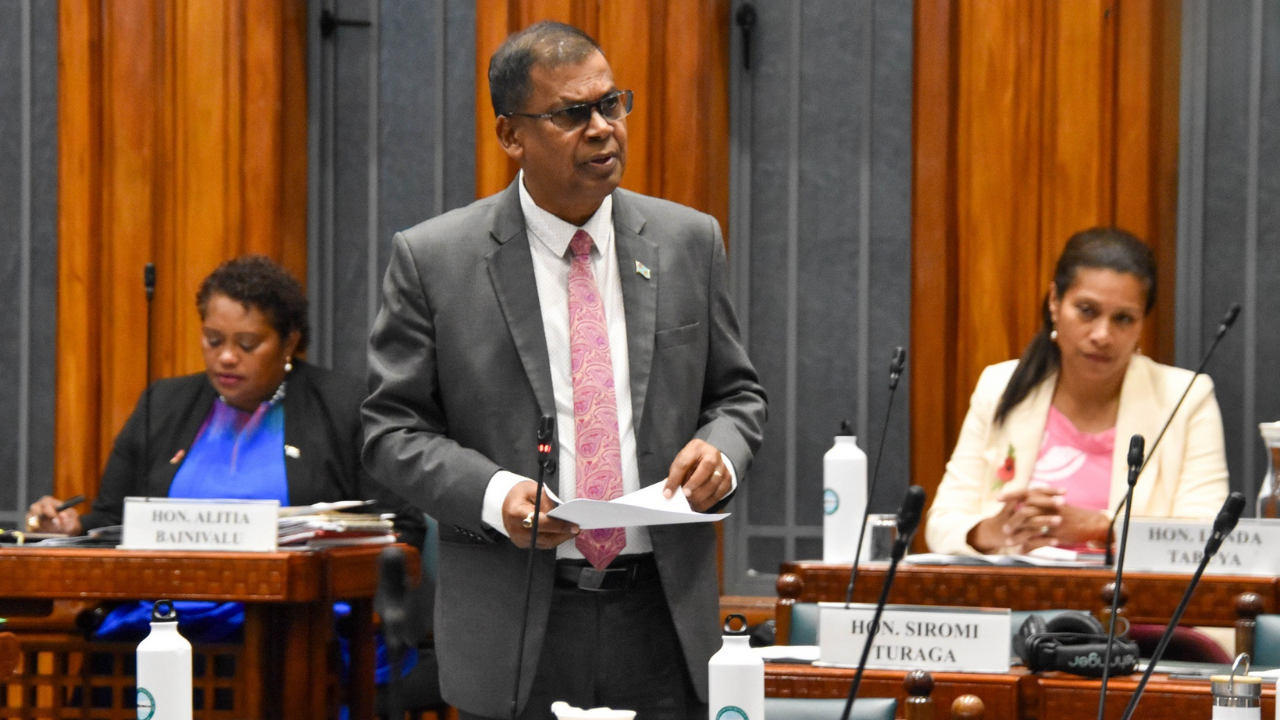
[Photo: File]
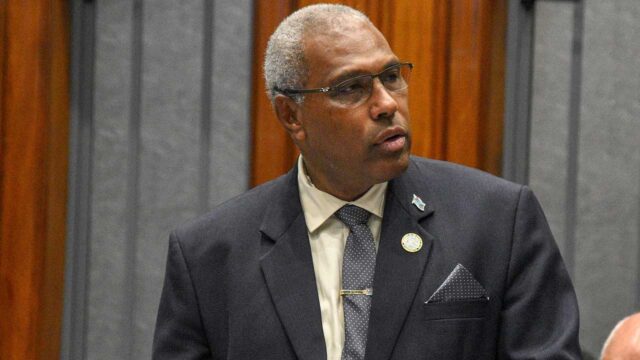
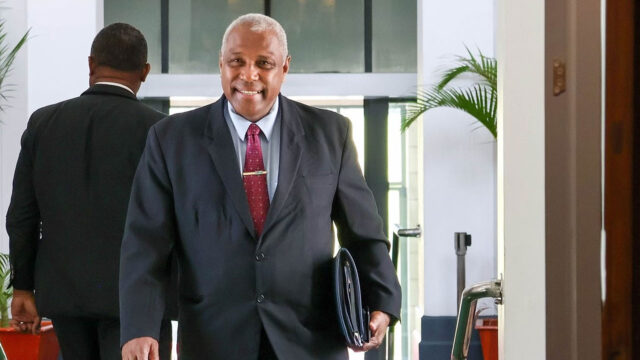
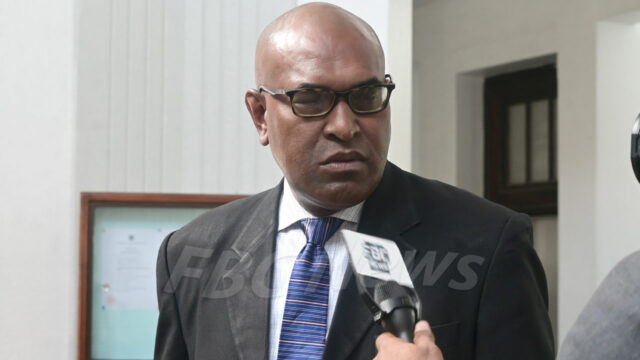
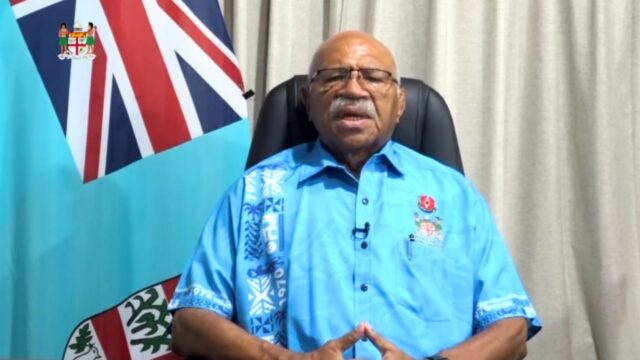
Four years is not enough to fix the deep economic challenges inherited by the Coalition Government, says former Finance Minister Professor Biman Prasad.
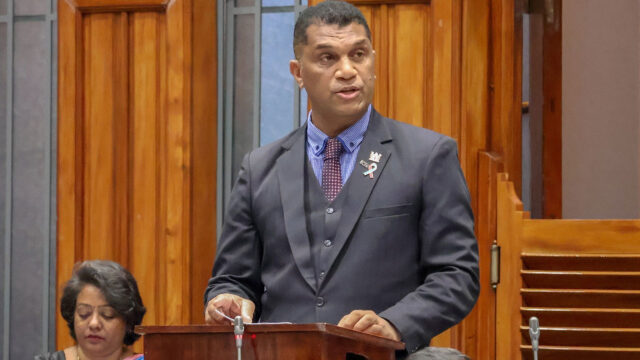
He pointed this out in Parliament as he pushed back against Opposition criticism of the 2026–2027 National Budget.
Prof Prasad said the government was dealing with problems built up over many years and warned that economic recovery and reform could not happen overnight.
His comments came as he rejected Opposition claims that the budget lacked discipline, questioned government borrowing and failed to deliver enough capital investment.
Prof Prasad accused the Opposition of presenting what he described as “confused economics” by focusing heavily on spending levels without explaining how their own proposals would be funded.
“Where would you cut that one billion now, at this point in time, when you are going through a global economic crisis or global fuel crisis? That’s the question that we want to ask. There is a suggestion, Mr. Speaker said, (16:52) that we should revalue our dollar.”
Prof Prasad said operating expenditure was being misunderstood, arguing that not all government spending outside infrastructure projects was wasteful.
He said spending on services that support people and economic activity also contributes to growth.
He pointed to areas such as education, healthcare, tourism promotion and social welfare assistance, saying these investments help maintain demand and support the wider economy, particularly during difficult periods such as the global fuel crisis.
On government debt, Prof Prasad rejected comparisons between national finances and a private business balance sheet.
He said governments are not profit-making entities and that a budget deficit does not mean the country is operating like a loss-making company.
He argued that borrowing must be judged against the size and strength of the economy, not simply the total dollar figure.
Prof Prasad said the key measure was whether Fiji can sustain its debt obligations while continuing to invest in development.
He said as the economy grows, the debt-to-GDP ratio can improve because the country’s economic base becomes larger.
Prof Prasad criticized Opposition MPs for highlighting debt figures while ignoring economic growth indicators.
He said the government had reduced the debt-to-GDP ratio through a combination of economic growth, revenue improvements and fiscal management.
He also defended the government’s revenue decisions, saying increased collections had helped create room for continued support to households and essential services.
Prof Prasad said government revenue rose from 23.5 per cent of GDP to 28.1 percent in the 2023–2024 financial year, before reaching 29.7 per cent of GDP in 2024–2025.
He attributed this to tax reforms, stronger compliance and improved revenue collection.
He argued the Opposition could not demand lower taxes, increased government assistance and reduced debt at the same time without explaining how the numbers would work.
Prasad also defended government’s decision to write off about $650 million in student debt, which had been criticized by the Opposition.
At that rate, he argued, recovering the full amount would have taken around 80 years.
Instead, he said government redirected its approach towards merit-based scholarships, describing it as an investment in human capital that would allow more qualified young people to enter the workforce without carrying a heavy debt burden.
Prof Prasad said the budget was not simply about cutting numbers or balancing accounts, but about creating conditions for economic growth while protecting vulnerable Fijians.
He maintained that the Coalition Government’s approach was focused on long-term sustainability and accused the Opposition of offering criticism without providing workable alternatives.