 Kelera Ditaiki
The new bill would enable health inspectors to enter affected areas quickly when immediate intervention is required.
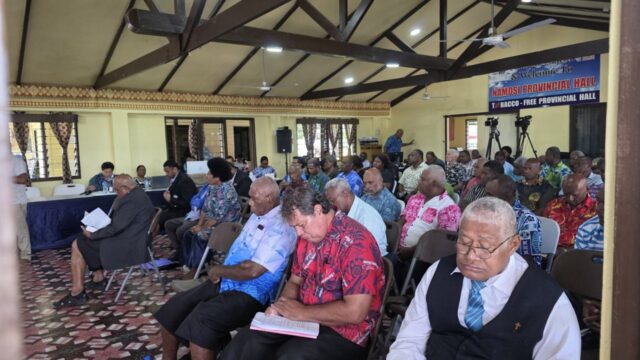
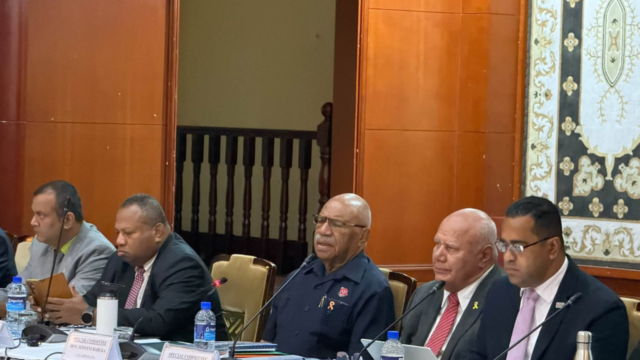
The Ministry of iTaukei Affairs and the iTaukei Affairs Board are calling for safeguards to ensure village protocols are respected when health officials enforce new legislation.
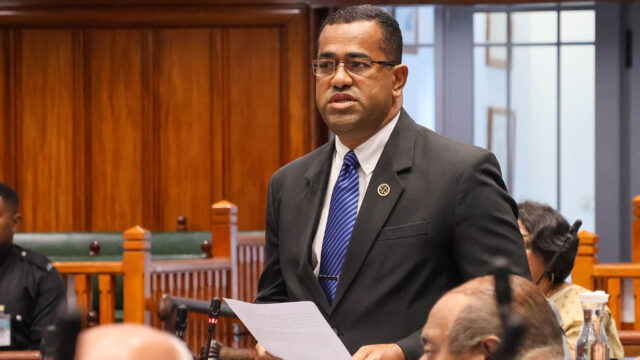
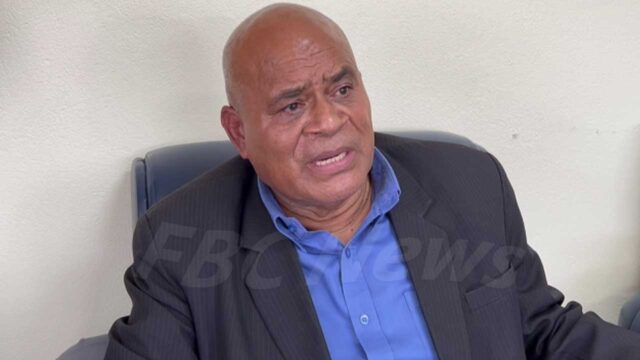
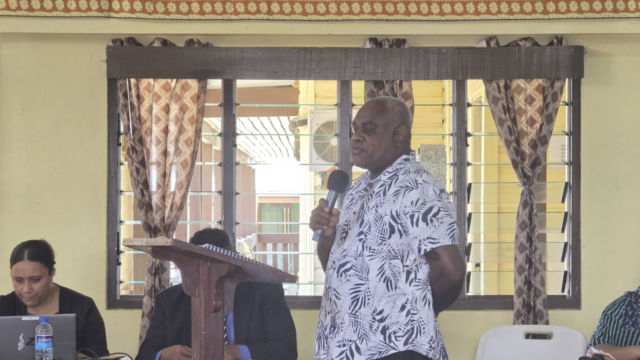
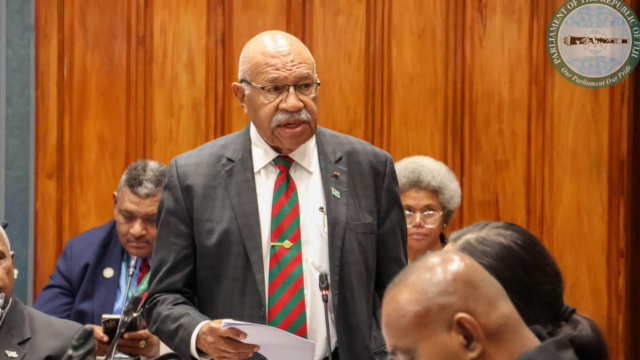
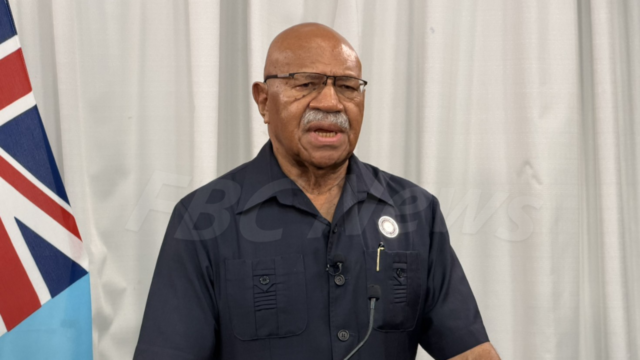
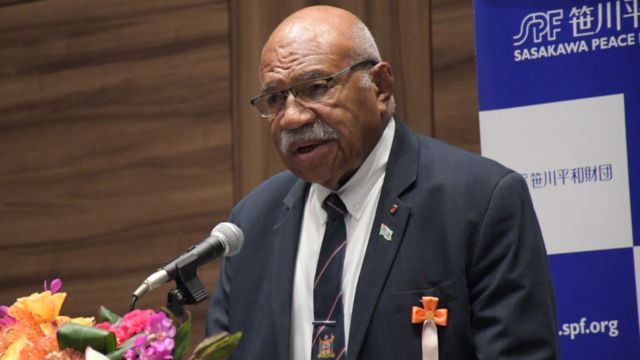
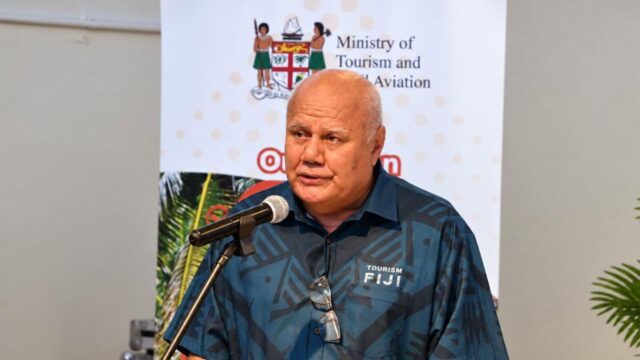
Acting Permanent Secretary for iTaukei Affairs Josefa Toganivalu says the ministry supports the proposed reforms to improve public health in rural communities.
However, he raised concerns about provisions allowing environmental health officers to enter premises for inspections.
Toganivalu suggested that inspections should first be consulted with provincial offices and village leaders, in line with existing iTaukei regulations.
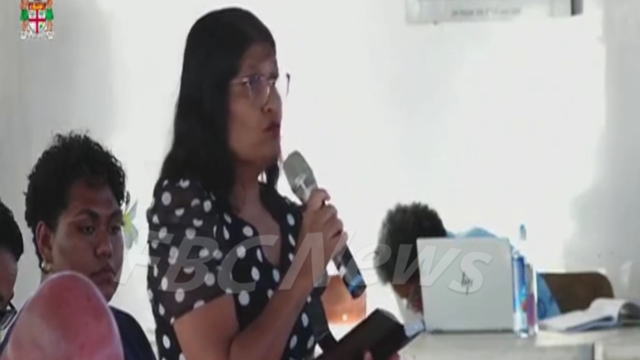
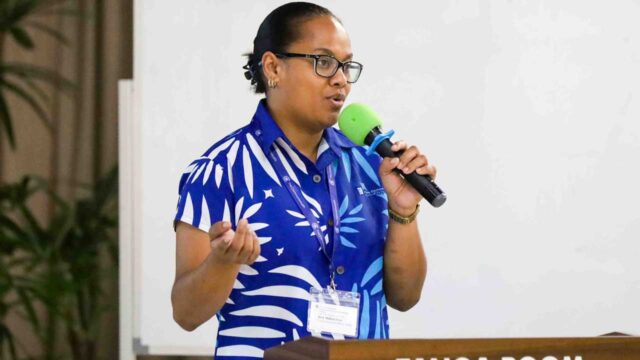
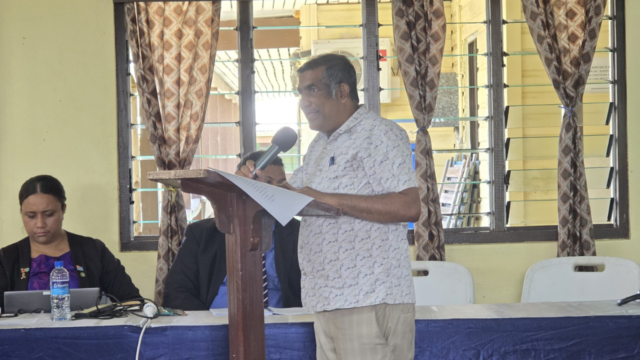
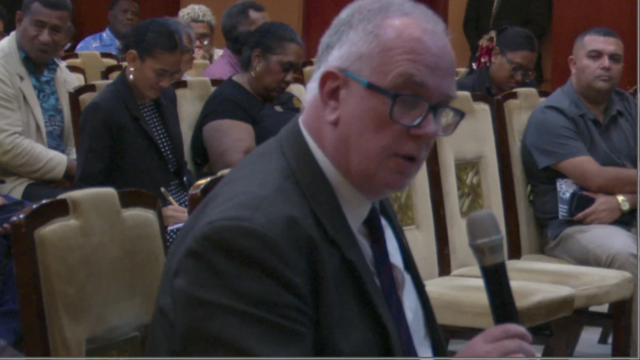
In response, Acting Chief Health Inspector Luke Vunitabua clarified that the current Public Health Act does not apply to iTaukei villages.
This limits the ministry’s ability to address issues like poor sanitation, wastewater disposal, and disease outbreaks.
“Although we receive complaints, a lot of public health complaints from the villages, we cannot enforce the Act because of Section 140, which does not allow this Act to be applied to the iTaukei villages. And we see that a lot of health issues are arising from iTaukei communities, from the villages, from animal keeping, to the cleanliness of the village, to the wastewater disposal, to the sanitary condition of some of the villages, and the breeding of mosquitoes. So those are the issues.”
Vunitabua says the new bill would enable health inspectors to enter affected areas quickly when immediate intervention is required.
He highlighted the urgency by noting that 70 percent of reported leptospirosis and dengue fever cases come from the iTaukei population, underscoring the need for stronger public health enforcement in villages.