 Riya Mala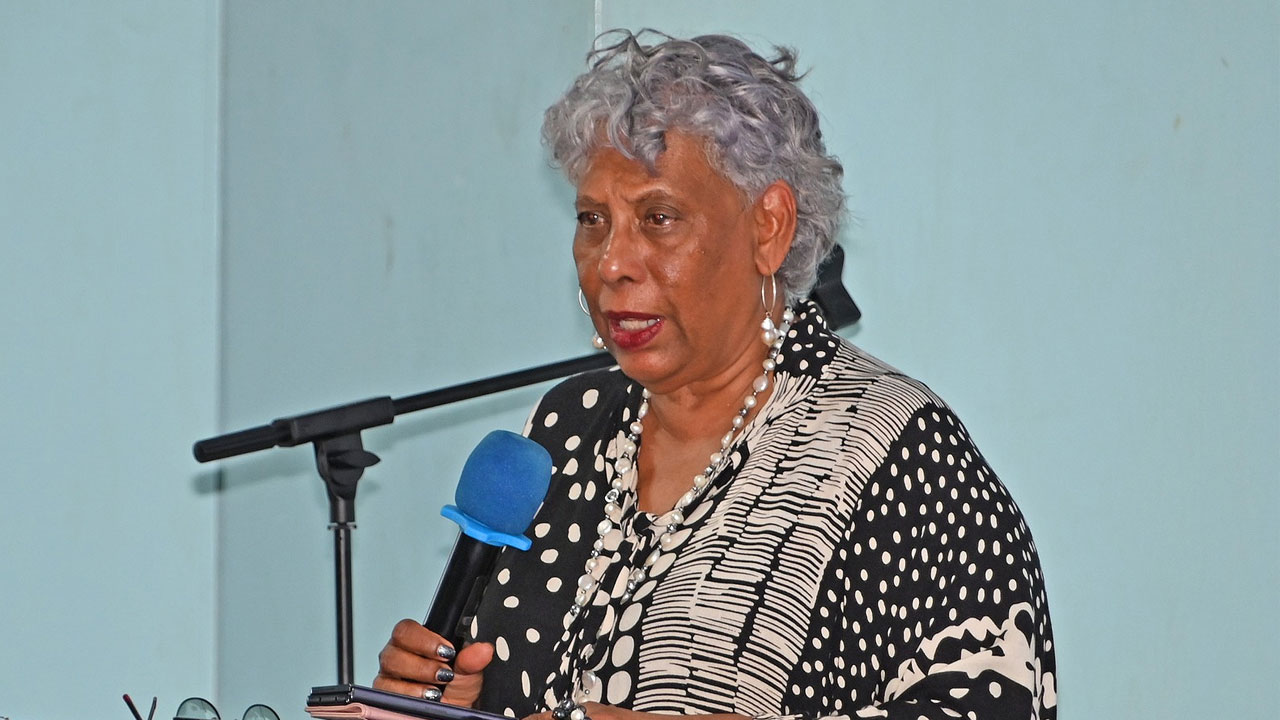
University of Fiji Vice-Chancellor Shaista Shameem says Girmit women must not be remembered only as victims, but as strong pioneers, survivors, and key contributors to shaping Fiji’s history.
Speaking on Girmit research and identity, Professor Shameem says her academic work has consistently shown that women played a powerful and often overlooked role during the Girmit era.
She adds that many female Girmitiyas endured extreme hardship, including forced labour, displacement, and difficult living conditions, yet continued to survive and adapt in new and unfamiliar environments.
Professor Shameem, who is herself a descendant of a female Girmitiya, says her great-grandmother’s journey from French Guiana to Fiji reflects the resilience and courage of Girmit women across generations.
She adds that these women were not passive victims of indenture, but active participants who worked, migrated, raised families, and helped build new communities under very harsh conditions.
“Girmit women were more than victims,” she said in her reflections on her research. “They were pioneers, survivors, and strong contributors to the foundations of our society.”
Professor Shameem says recognising the strength of Girmit women is important for understanding the full history of indenture, especially for younger generations who often hear only parts of the story.
She adds that their resilience continues to influence the identity and academic journey of many descendants today, shaping how history, gender, and cultural survival are understood in Fiji.
She also stresses that Girmit history should be seen not only through suffering, but also through endurance, adaptation, and the building of new lives in Fiji and other parts of the world.
According to her, the stories of Girmit women deserve greater attention in education, research, and national discussions so their contribution is fully acknowledged.
Professor Shameem says this gendered perspective is essential to completing the historical narrative of Girmit and ensuring future generations understand the strength behind their heritage.