 Apenisa Waqairadovu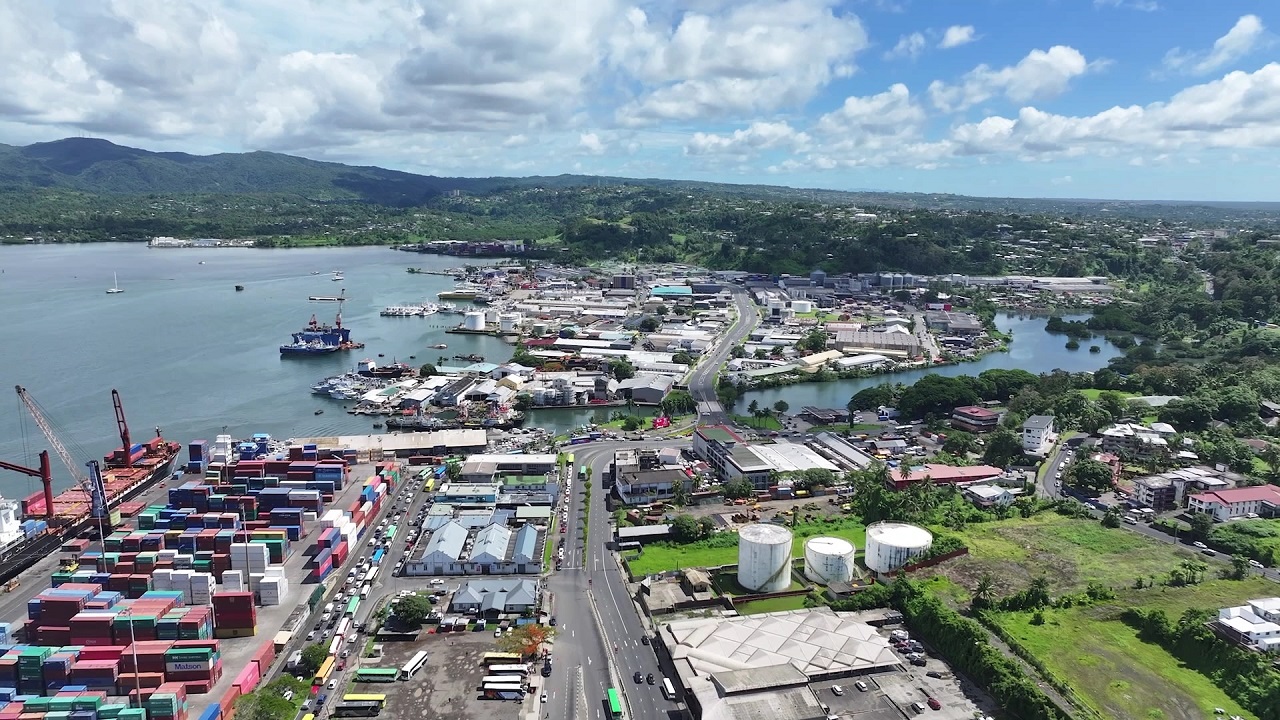
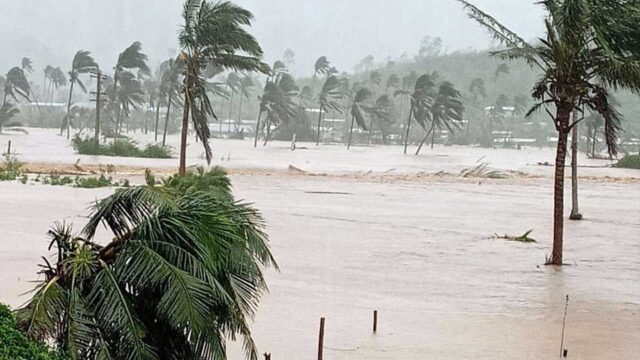
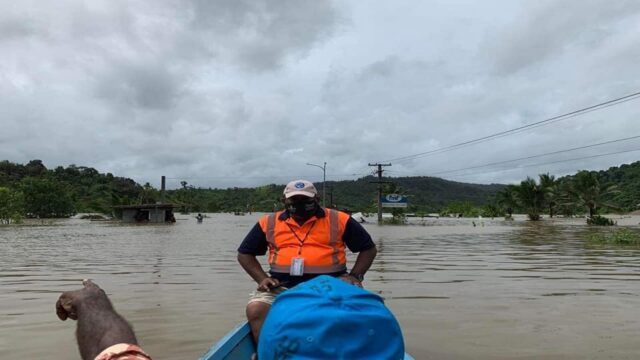
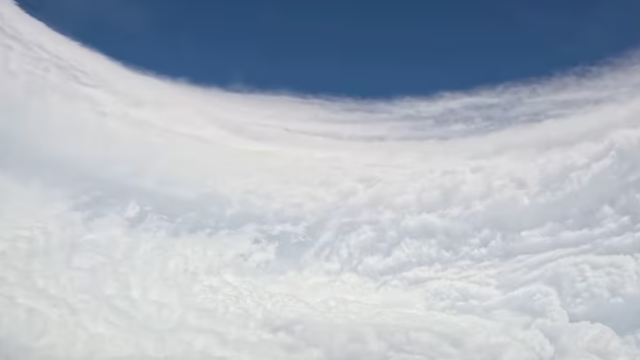
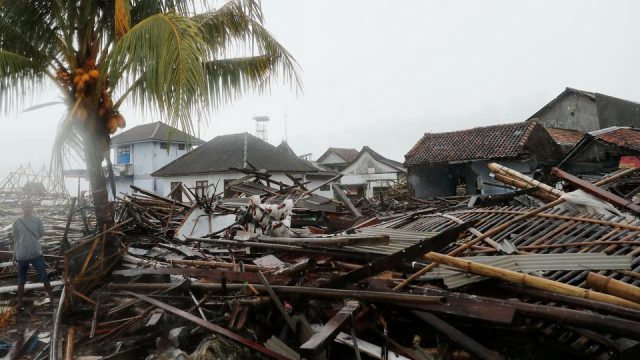
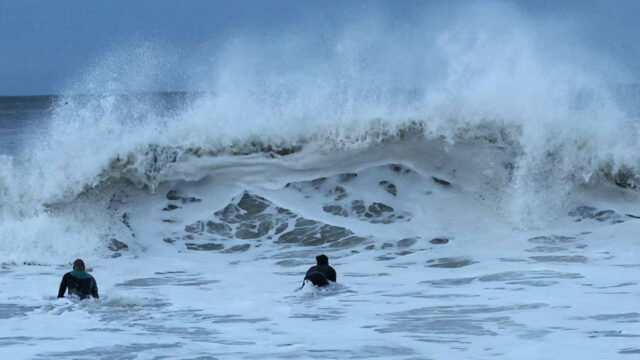
The World Bank is warning that repeated global shocks are becoming the “new normal” for Pacific nations, placing growing pressure on economies that are still recovering from previous crises.
Senior Economist Ekaterine Vashakmadze says Pacific countries are now facing overlapping shocks from global energy instability, inflation, supply disruptions, and slower growth, with little time to recover between each crisis.
She says the region can no longer treat shocks as temporary disruptions, warning they are arriving more frequently and with greater impact.
“Shocks should not be taken as temporary disruptors but they are becoming really the more normal of our operation.”
Vashakmadze says one of the biggest concerns is that many Pacific countries have already used much of their financial reserves responding to earlier crises, leaving limited room to respond to new economic shocks.
She says countries are now being hit before recovery from previous crises is complete, making policy decisions more critical than ever.
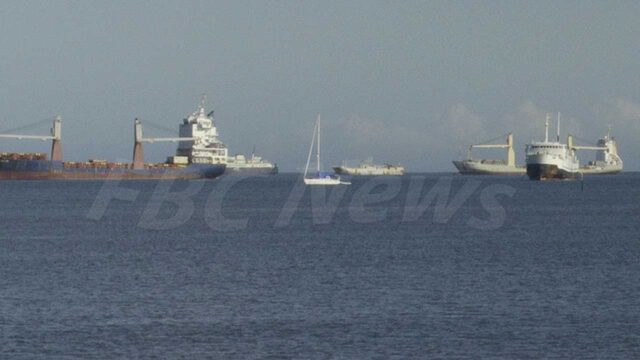
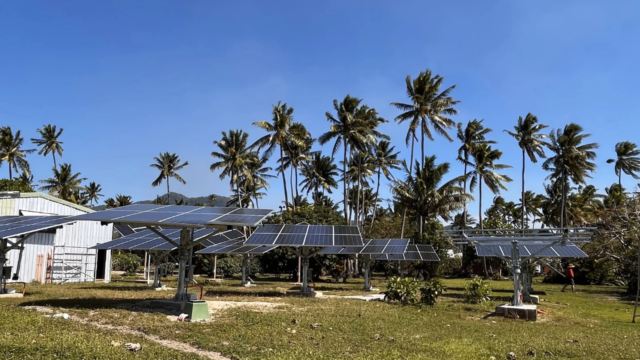
The World Bank says Pacific nations import between 70 and 90 percent of their fuel, making them highly exposed to rising global fuel prices and supply disruptions.
It says shipping costs, weak logistics systems, and limited cargo capacity are also worsening the impact of international shocks on Pacific economies.
Vashakmadze warns that delaying investment and maintenance during difficult periods could further weaken essential systems such as water, transport, and energy infrastructure.
“What is done today will define the future.”
She says Pacific governments must move quickly to strengthen economic resilience, protect critical services, and improve long-term planning to reduce the impact of future crises.
The World Bank adds that uncertainty and repeated shocks are also hurting business confidence and slowing investment across the region, threatening future growth and jobs.