 Reuters
[Source: Reuters]
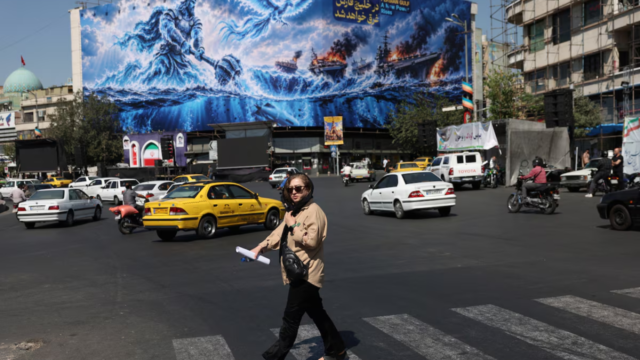
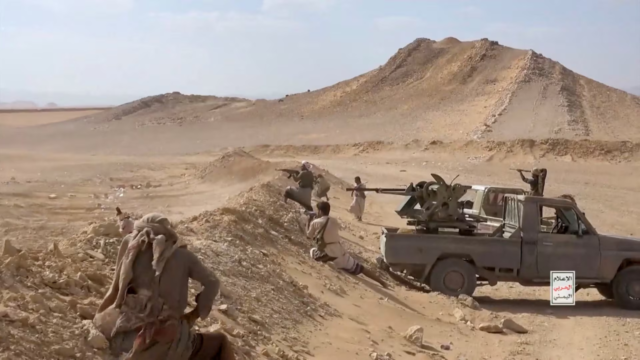
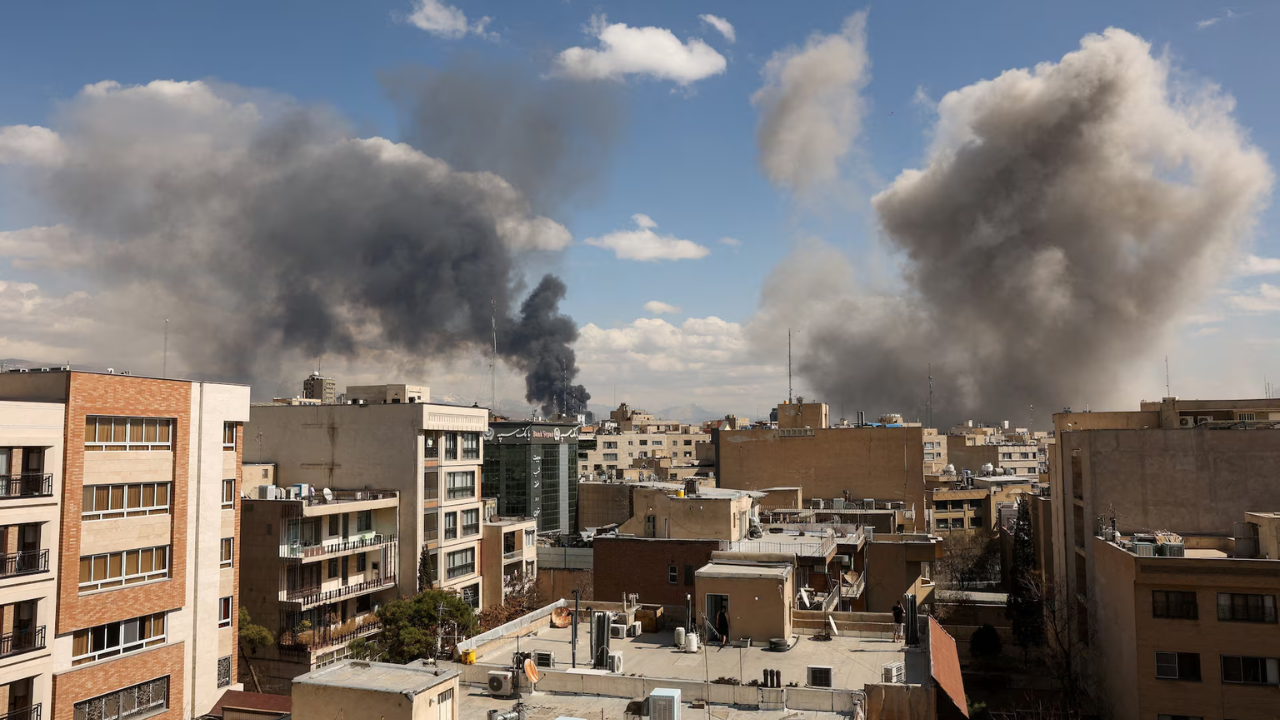
Israel launched a new wave of strikes on Tehran on Sunday and Iran responded with more missile barrages, a day after the killing of Supreme Leader Ali Khamenei pitched the Middle East and the global economy into deepening uncertainty.
U.S. and Israeli strikes – and Iranian retaliation – sent shockwaves worldwide through sectors from shipping to air travel to oil, amid warnings of rising energy costs and disruption to business in the Gulf region.
The Israeli military said it had intercepted projectiles that were launched from Lebanon early Monday morning, in what could be the first sign of Lebanon’s Shi’ite Muslim armed group Hezbollah, long one of Tehran’s principal allies in the Middle East, entering the conflict.
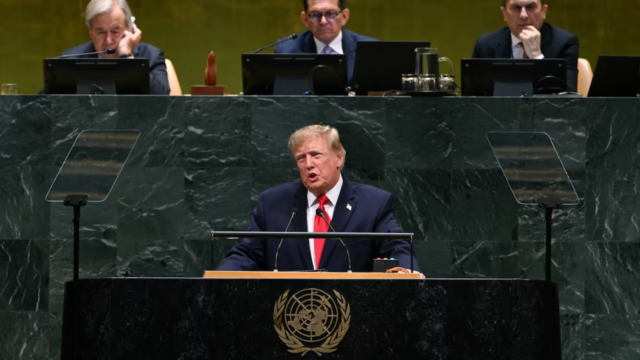
U.S. President Donald Trump said the attack was intended to ensure Iran could not have a nuclear weapon, to contain its missile program and to eliminate threats to the United States and its allies.
The U.S. has hit more than 1,000 Iranian targets since the start of the campaign, U.S. Central Command said.
In a video statement posted to his Truth Social site, Trump vowed military strikes will continue until “all our objectives are achieved.”
He said the assault had wiped out Iran’s military command and destroyed nine Iranian navy ships and a naval building.
Trump said the Iranian military and police should lay down their arms, promising immunity for those who surrender and threatening “certain death” for those who resist.
He reiterated calls for the Iranian people to revolt against the government.
“I call upon all Iranian patriots who yearn for freedom to seize this moment, to be brave, be bold, be heroic and take back your country,” Trump said in the pre-recorded video. “America is with you.”
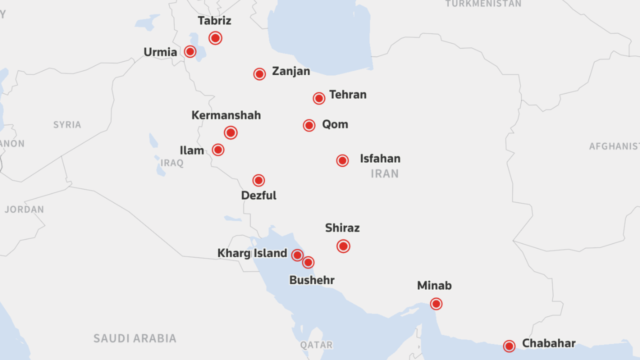
WHERE THE AIRSTRIKES HIT IRAN
Earlier in an interview with the Atlantic magazine, Trump said Iran’s leadership wanted to talk to him and he had agreed.
In a separate interview with the Daily Mail, he said the military campaign against Iran could continue for the next four weeks.
But the Republican president is yet to lay out his longer-term aims in Iran, which faces a power vacuum that could leave it in chaos, with unforeseeable consequences for the region.
The first U.S. casualties of the campaign, including the deaths of three service personnel, were confirmed on Sunday.
Trump paid tribute to the three killed as “true American patriots” but warned that there will likely be more casualties.
“That’s the way it is,” he said.
With the vital Strait of Hormuz closed and the Gulf cities of Dubai, Abu Dhabi and Doha under bombardment, the scale of the risk taken by Trump in attacking Iran months before U.S. midterm elections that will decide control of Congress is becoming clearer.
Only around one in four Americans approve of the operation, according to a Reuters/Ipsos poll on Sunday.
And if Hormuz – the passage for about 20% of world oil supplies – remains closed for more than a few days, U.S. consumers will start to feel the pressure on prices at the pumps.