 Litia Cava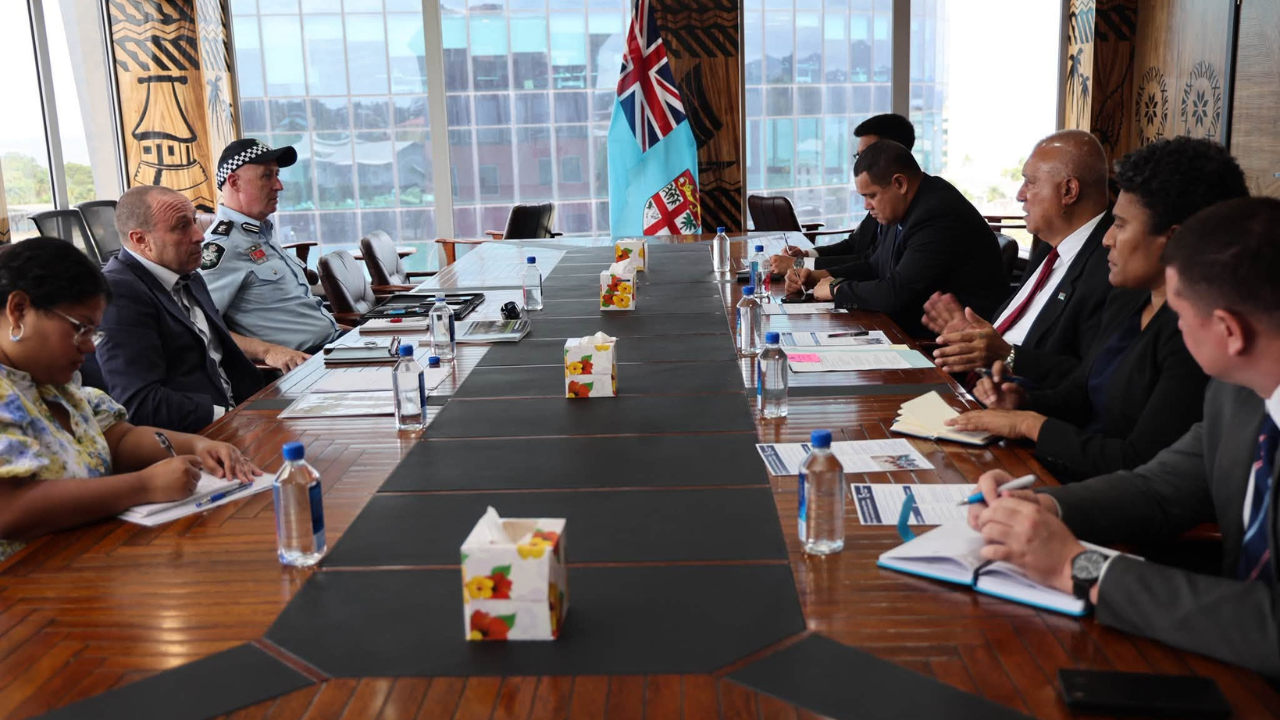
[Photo: FILE]
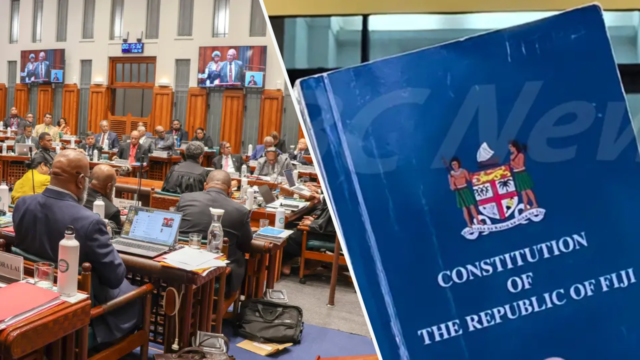
Fiji’s right to seek independent legal recourse is being questioned over provisions in the proposed Fiji-Australia Vuvale Union treaty.
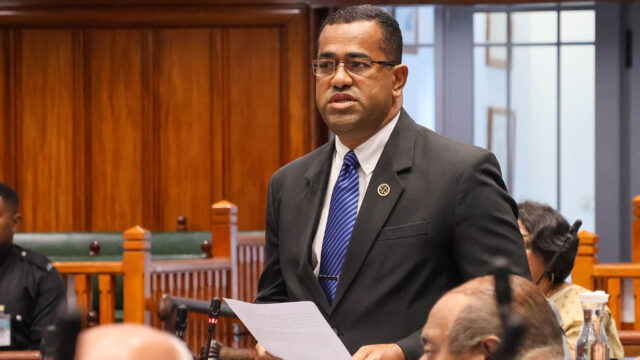
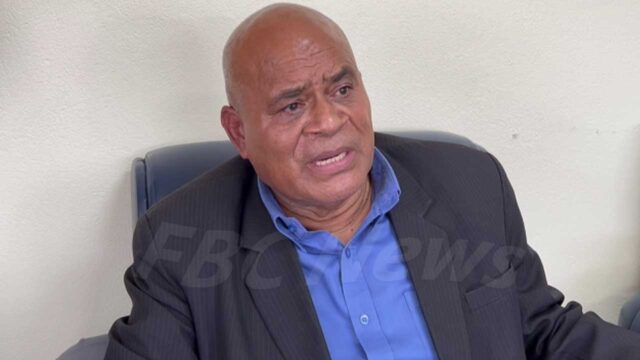
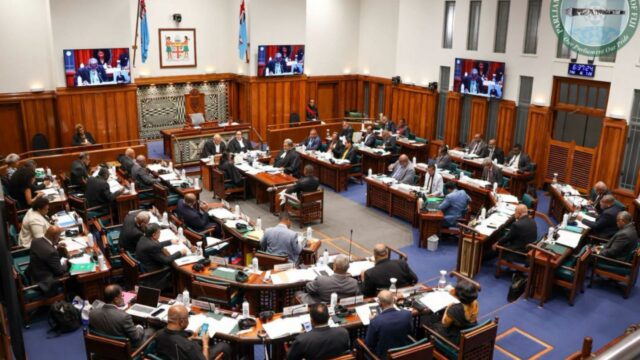
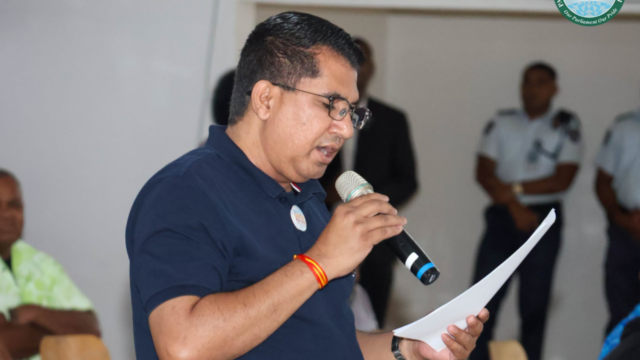
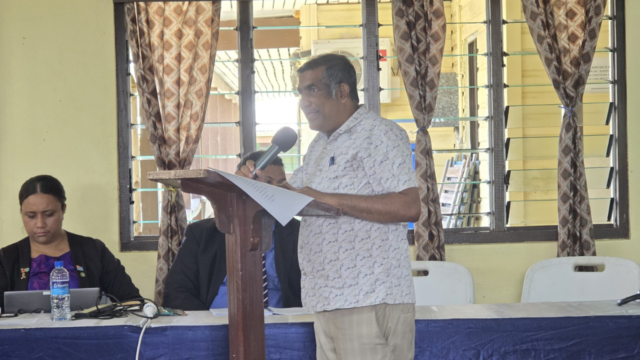
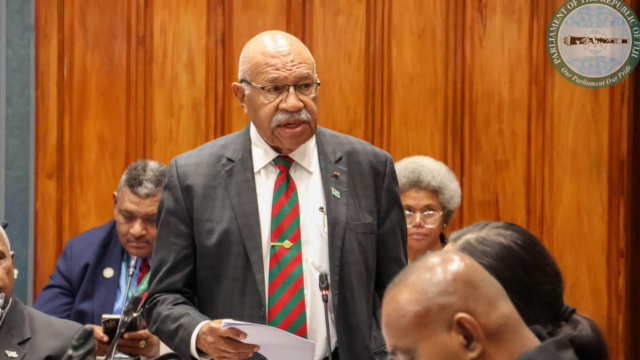
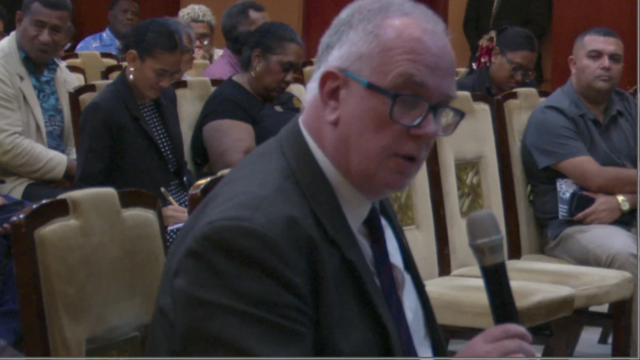
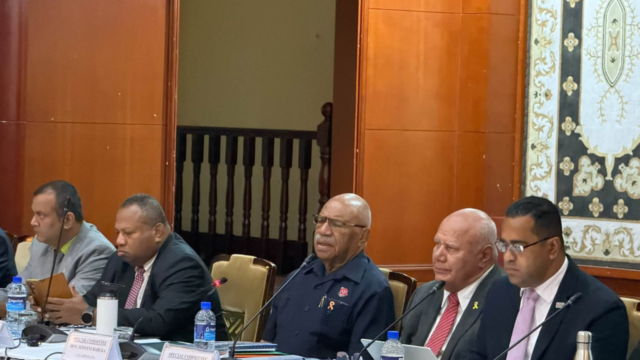
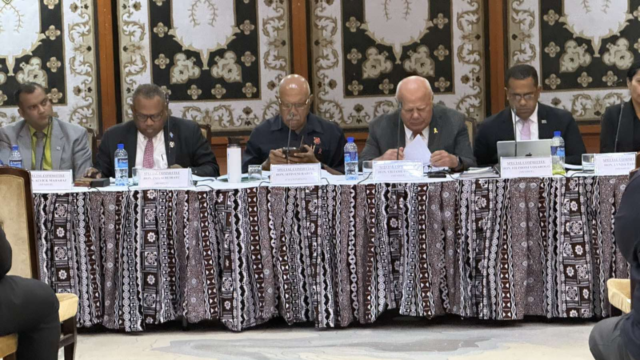
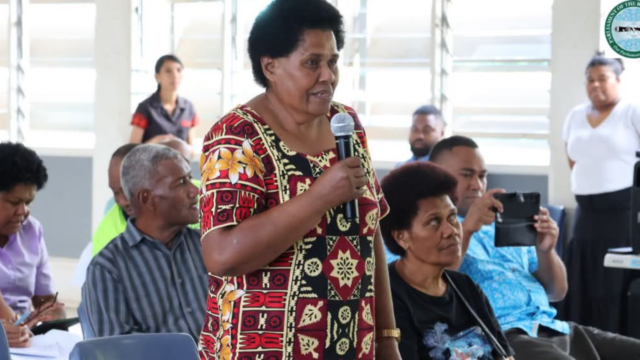
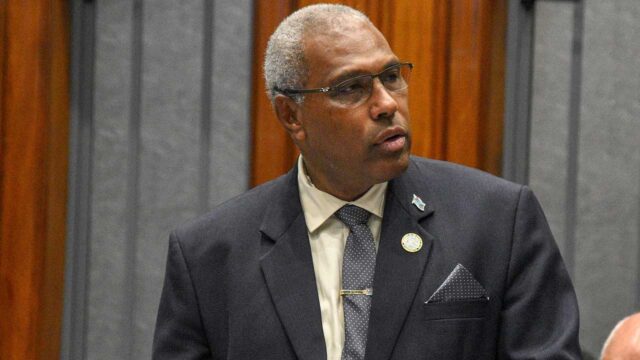
Committee member Penioni Ravunawa raised concerns over Articles 8.2 and 10.6, which deal with external dispute arbitration.
Ravunawa said Article 8.2 strictly prohibits referring disputes to any national or international court, tribunal or third party.
He questioned the constitutional risks of relying entirely on political consensus to settle disputes.
He also raised concern that the ban on external arbitration would remain binding even after the treaty is terminated.
“The only chance that Fiji, as well as Pacific countries, is in staying together, in sharing resources, and this is where a treaty of this sort becomes important. That we commit to one another.”
Ravunawa asked why Fiji should accept an international obligation that could bind the country in perpetuity.
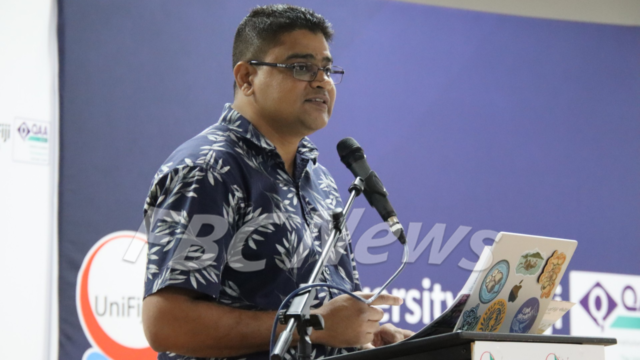
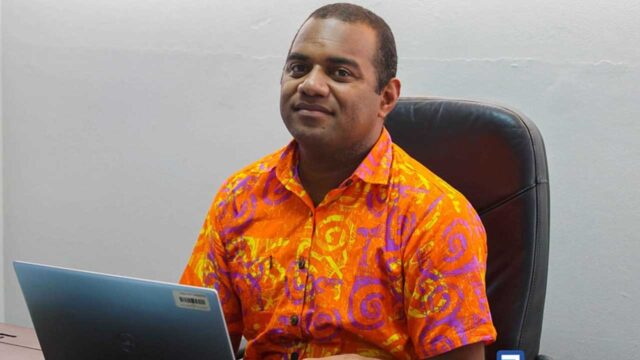
The Permanent Secretary for the Prime Minister’s Office, Dr Lesikimacuata Korovavala, said the treaty does not override Fiji’s domestic decision-making processes.
“If an issue requires Cabinet or Parliament to make a decision, those processes must be completed before a position is taken under the treaty.”
The Permanent Secretary said this protects Fiji’s sovereignty.
Data sovereignty and Fiji’s growing reliance on Australian technical support were also questioned.
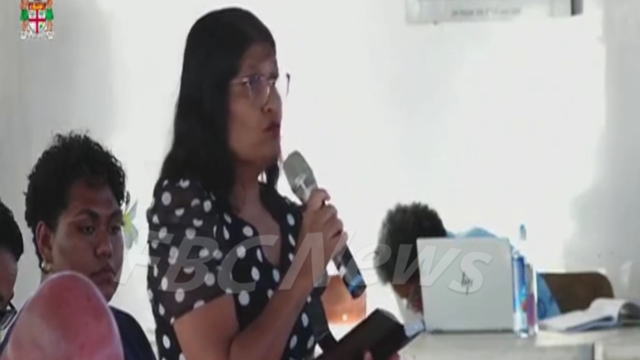
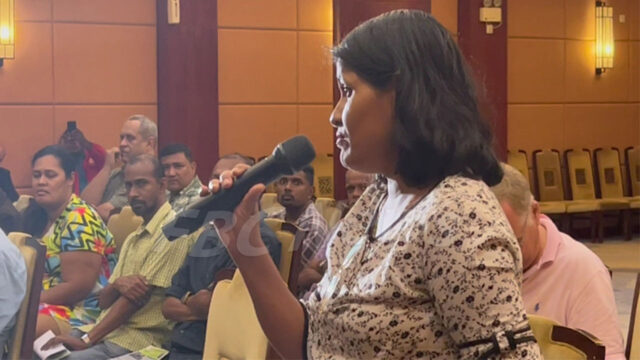
Committee Member Virendra Lal asked how Fiji would protect domestic data and ensure its national networks do not become dependent on Australian security systems.
Dr Korovavala said Fiji currently needs technical assistance to strengthen its IT infrastructure.
He said support from Australia would be provided through Fiji’s own government procurement and decision-making processes.
Lal also questioned whether Fiji has enough administrative capacity to prevent its development priorities from being influenced by Australia.
The Permanent Secretary said Fiji must first establish what it needs and what it wants to achieve from the partnership.
He said proposals are assessed through the Development Subcommittee and aligned with Fiji’s national development plans.
Border security and institutional capacity were also raised.
Committee members questioned whether the treaty would provide enough support for Fiji’s police, military, navy, customs and immigration agencies.
The Permanent Secretary said a 10-year work plan has been developed to strengthen the capability of government agencies.
He said the Fiji Police Force would receive $24 million in additional support under the framework.
He also said the treaty provides for greater cooperation in tackling transnational organised crime and sharing information.
The committee further questioned whether funding would translate into stronger integrity and accountability within Fiji’s border agencies.
Dr Korovavala said governance and transparency are fundamental to the framework.
He said recent amendments to the Police Act and Immigration Act seek to strengthen transparency and accountability.
He adds that funding under the Vuvale Union will also support professional standards, monitoring, tracking and institutional capacity.