 Riya Bhagwan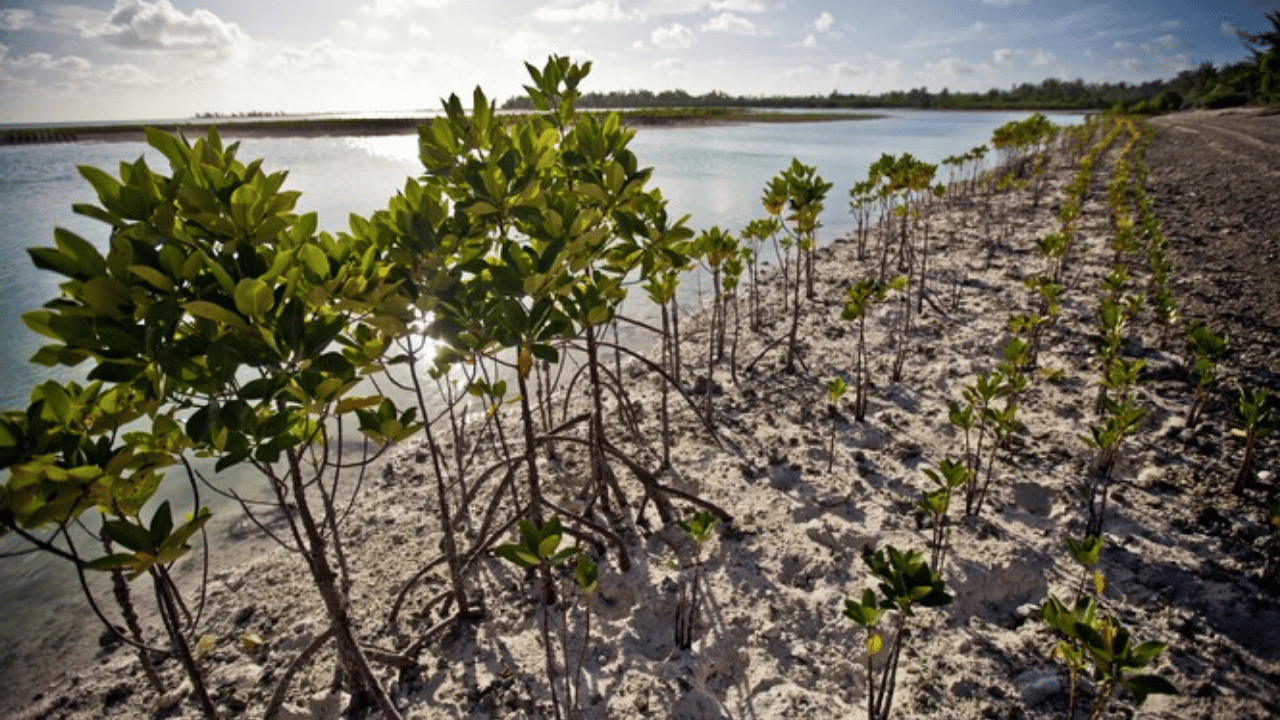
[Photo: SUPPLIED]
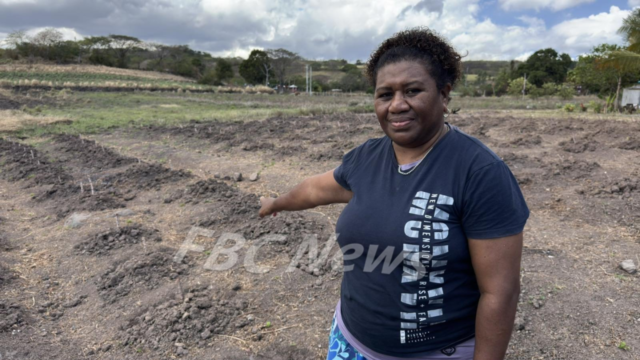
What was once questioned by communities is now proving its worth as a climate solution in Fiji, but experts say more work is required.
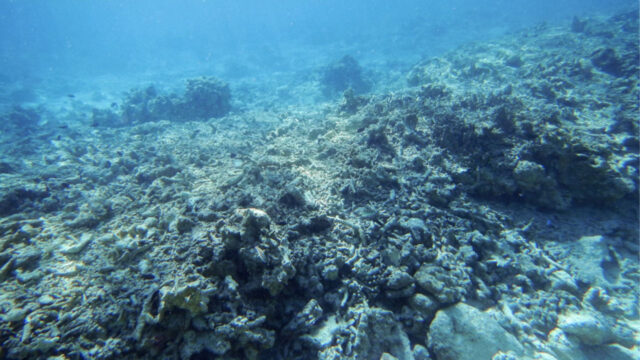
While communities are becoming more receptive to nature-based solutions, like mangrove planting, coral restoration, and climate-smart agriculture, changing public mindsets remains a challenge, the IUCN says.
The shift follows two and a half years of work under the Promoting Pacific Islands Nature-Based Solutions project.
The project began in September 2023 and was led by the International Union for Conservation of Nature, with regional partners, and funded by the New Zealand Government.
IUCN Regional Nature-Based Solutions Programme Coordinator Vinay Singh says communities initially questioned whether these approaches would work.
“When we started, for example, building nature-based solutions around Fiji, there was a stigma, and there was a bit of reluctance in people to adopt this. Communities were like, will this work? What is this? This is a new concept altogether.”
Singh says communities have since seen evidence of the effectiveness of these approaches through initiatives implemented on the ground.
“As cases were built, projects developed, the evidence came forth, and multiple other synergies were binding together, establishing a stronger base for nature-based solutions. And so the communities can see that nature-based solutions, in essence, do work.”
However, despite this progress, changing broader public mindsets remains a challenge in advancing other climate initiatives, the IUCN official highlights.