 Litia Cava
[Photo: FILE]
Questions have been raised over how Fiji will enforce its tax and customs laws if a dispute involves foreign military personnel or supplies under the proposed Ocean of Peace Alliance.
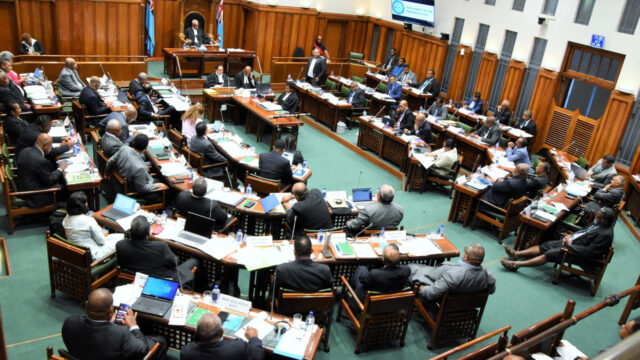
The issue came up during parliamentary scrutiny of the Veitacini Treaty.
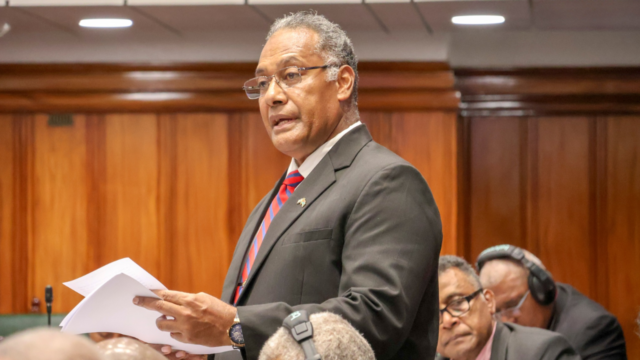
Committee Member Penioni Ravunawa questioned how the Fiji Revenue and Customs Service would act if a tax compliance or smuggling case involved foreign military activity.
His concern centres on Article 11.1 of the treaty.
The provision states that disputes arising under the treaty will not be referred to a national or international tribunal or court, or another third party, for resolution.
Ravunawa questioned how that would affect FRCS when it needs to enforce Fiji’s excise and customs laws.
He said the wording appears stringent and leaves limited room for formal dispute resolution.
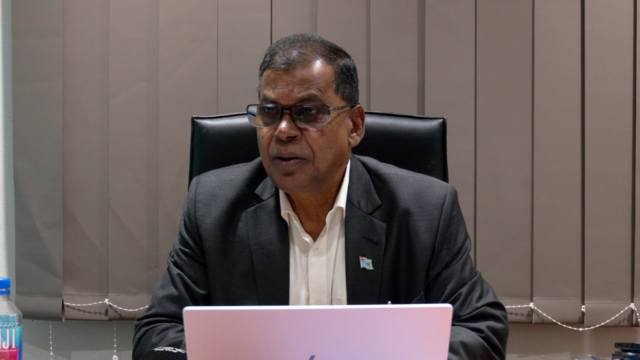
FRCS Chief Executive Udit Singh told the committee the matter has already been raised with the Australian High Commissioner.
“They have said that they have inserted several other alternative dispute resolution clauses in some of their treaties with other countries and are happy to provide us with similar pathways.”
Under the treaty, the parties are also expected to develop visiting forces arrangements to support activities covered by the agreement.
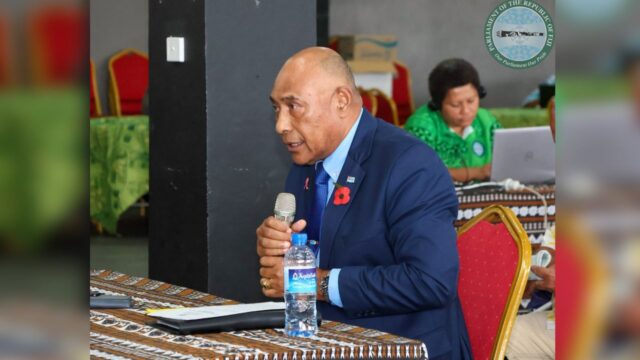
Committee Member Virendra Lal asked whether Article 7 would require FRCS to waive excise taxes, import duties and port charges on fuel, provisions and construction materials imported exclusively for foreign military forces.
Singh said it would not apply in every case.
He explained that any concessions would be subject to conditions and could involve the Minister or bilateral agreements.
He also said concessions provided through the Ministry of Finance could be considered where there was a national benefit.
The committee then turned to Fiji’s capacity to support the proposed arrangements.
Committee Member Rinesh Sharma questioned whether FRCS has enough specialised personnel to operate advanced technology and whether Fiji could retain staff with those skills.
Singh acknowledged that staff retention is a challenge.
He pointed to the movement of trained personnel, including those involved in the detector dog program, to jobs overseas.
He said FRCS needs stronger succession planning and staff who can perform multiple roles.
Sharma also questioned whether Fiji would have to purchase technology and equipment from Australia.
Singh said the requirements are agreed between the two sides.
He said equipment can be procured locally, provided it meets Australian standards.