 Mollyn Nakabea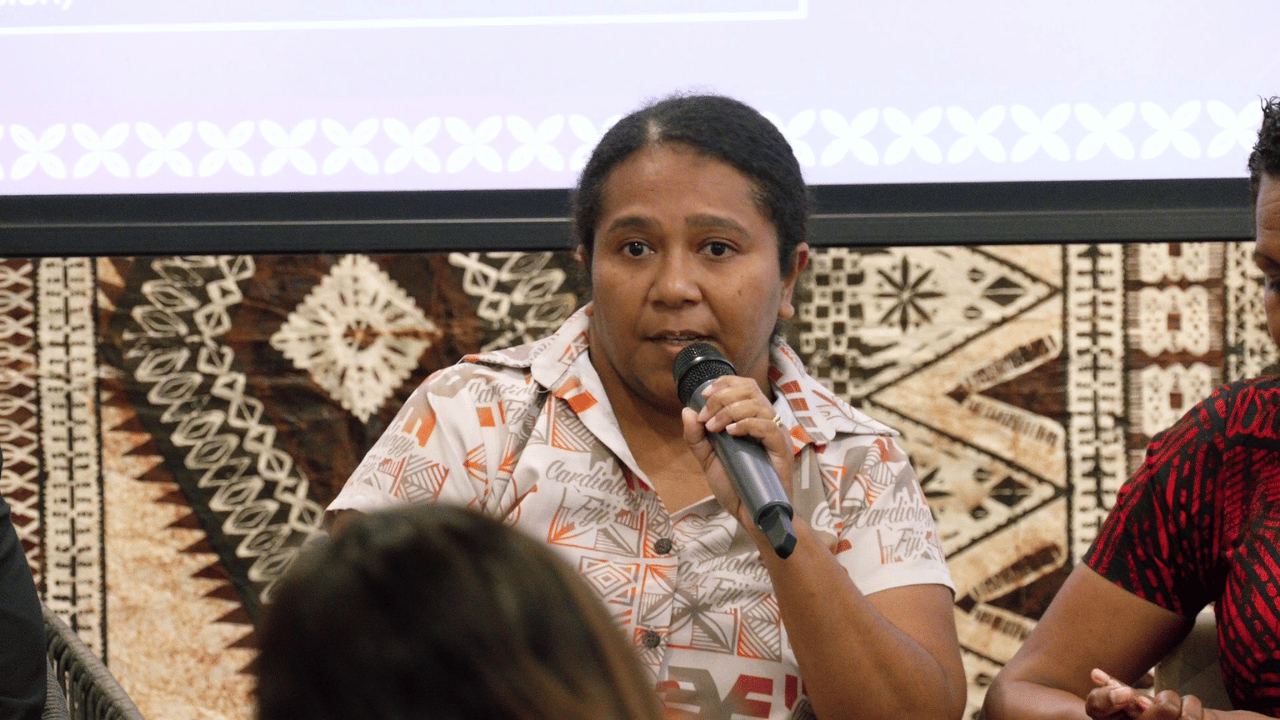
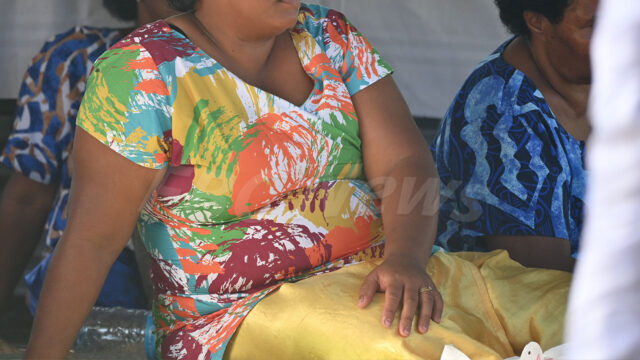
[Photo: FILE]
Medical professionals are calling for a patient-centred approach with improved counselling and treatment strategies for patients diagnosed with Rheumatic Heart Disease.
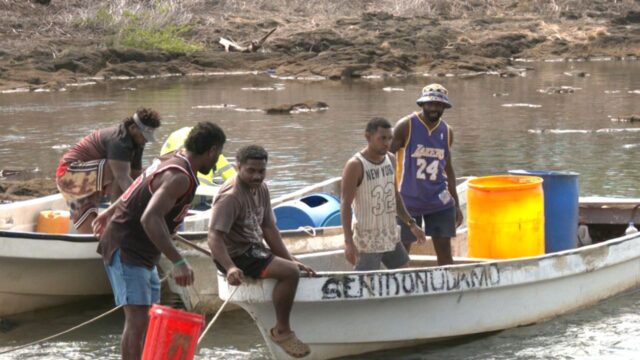
Findings from the Fiji RHD Support Programme report highlight major barriers, including limited access to equipment as well as financial and transport challenges, particularly for rural and maritime communities.
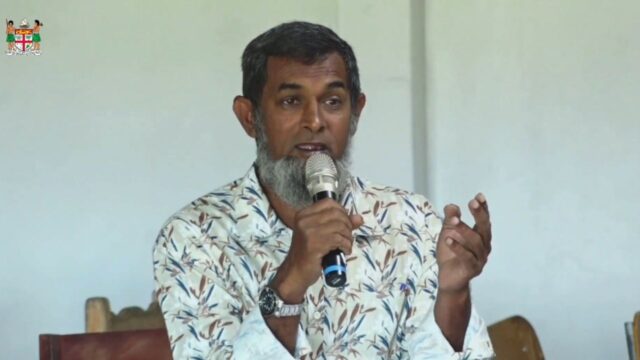
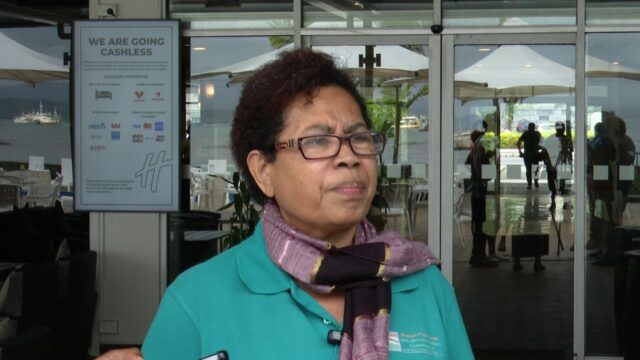
CWM Paediatrician Dr Walesi Natuman says their unit identified poor counselling as a key factor behind patients missing their medication.
Dr Natuman says that some families questioned the need for monthly injections when their children appeared healthy.
“We recognise that a lot of the patients did not receive their medication. Because they asked us this question of my child looks too well. Why do I have to commit to getting this injection every month? I’m coming here spending all this amount of money just to travel to the health centre. Get the injection and go home.”
She adds that while counselling was being conducted, it was often delegated to junior staff in busy clinics.
“When we track the records, we noted that a lot of the counselling is happening. But it’s happening by junior members of the team in a big clinic. And they’re not really understanding. So we think that involving patient-centred counselling with a medical professional will help break this barrier.”
Dr Natuman adds that paediatricians are being upskilled through phases one and two of the RHD training program to improve community coverage.
“Our department has tried to upskill a lot of our other ur pediatricians and registrars into the training of phase 1 and phase 2 RHD training programs. Because that’s just what we did two months ago. We believe that being able to train more of our people to have that skill and it will allow them to go out into the community.”
Cure Kids Fiji Country Manager Dr Jimaima Matainacake says the focus must shift to empowering parents rather than passing judgment.
“Because it’s our children, we want them to choose to come. And the only way we can do that is for us as a community, health care workers and our families, to be able to move forward with compassion.”
Matainacake adds that grace must be given to families as they are often suffering silently with the complications that come with the disease.