 Peceli Naviticoko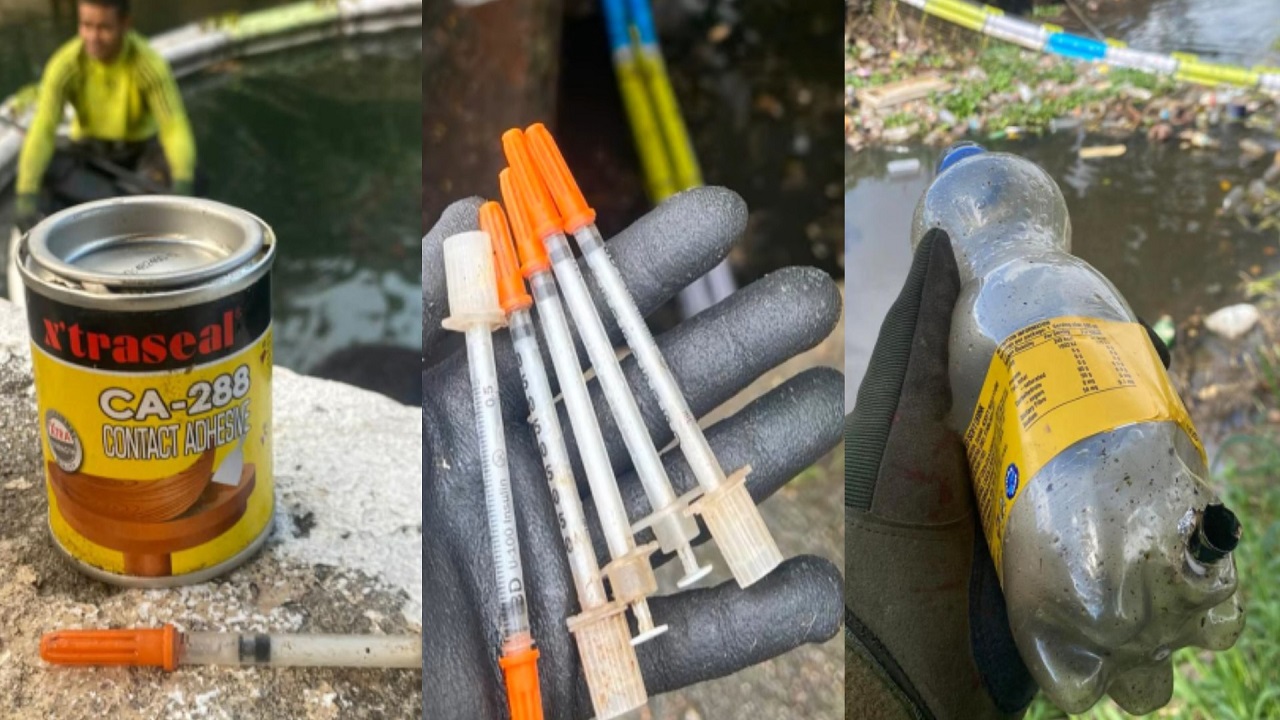
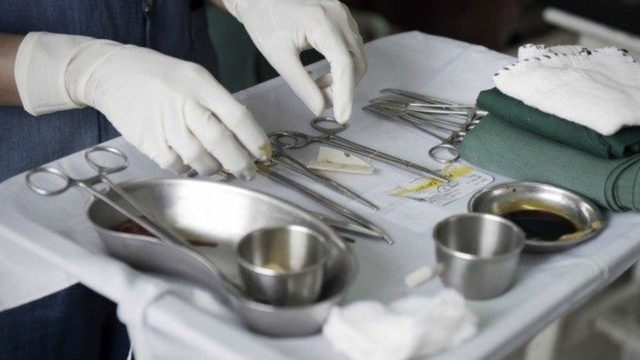
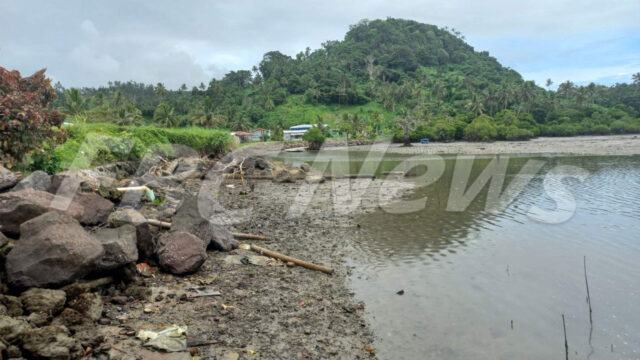
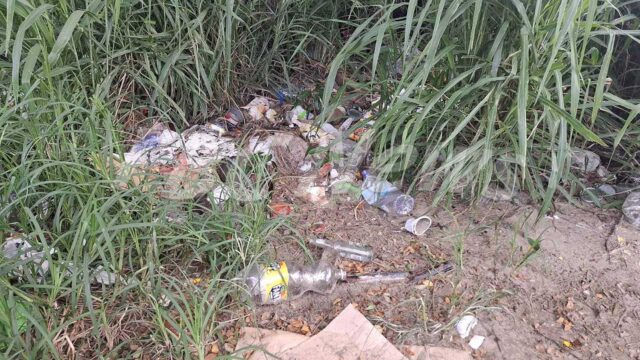
Drug use is now visibly polluting waterways in the country, with the discovery of syringes, needles, and glue-sniffing cans raising serious concerns about public health, crime, and environmental safety.
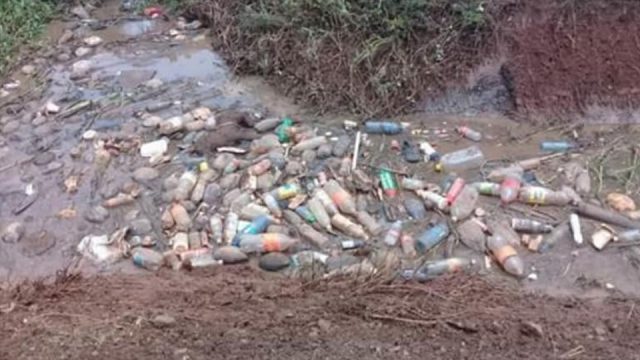
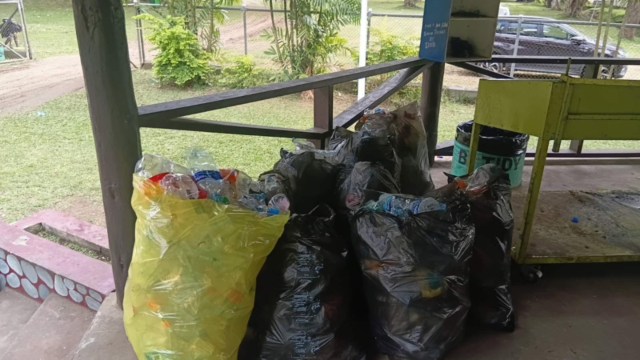
Trashboom Pacific says these hazardous items are increasingly being collected from rivers and drainage systems, alongside everyday household waste, pointing to drug-related activity upstream.
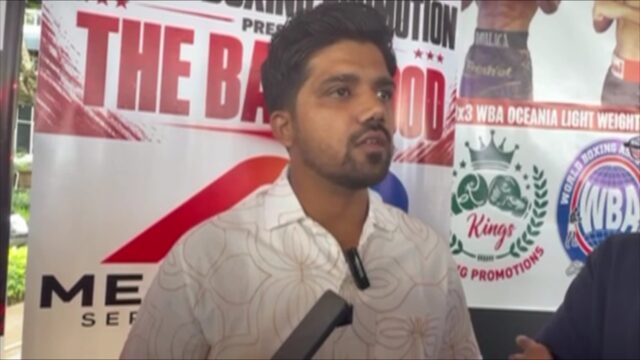
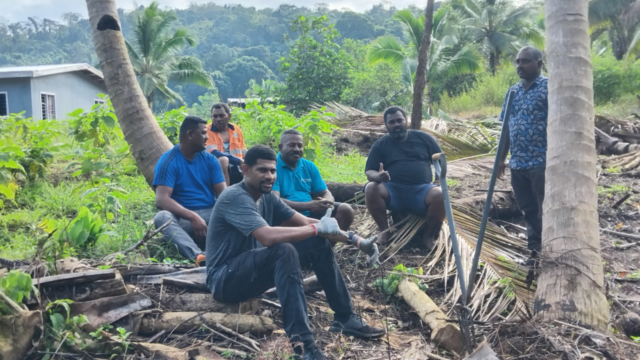
Founder and Director Wayne Fuakilau says in some clean-ups, teams are finding multiple needles, glue cans, and improvised bottles used for substances such as marijuana.
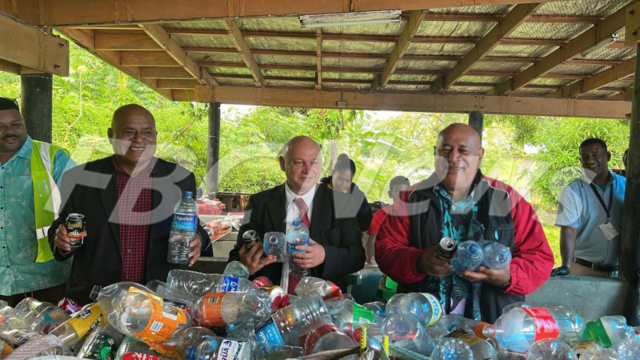
He says overall, the organisation has intercepted around 13,000 kilograms of waste across sites in Viti Levu, with about half identified as plastic.
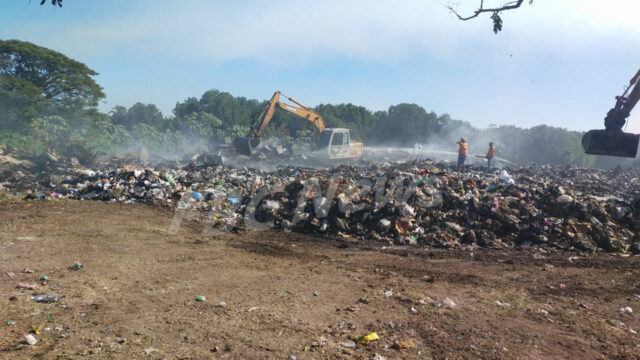
“We’ve got washing machines, we’ve got microwaves, we’ve got tyres flowing down the waterways which shouldn’t be the case. So that means something is happening upstream. There are a lot of gaps in terms of collection, frequency, advocacy, and even curriculum that should come through primary schools or kindergarten.”
Fuakilau says the findings highlight deeper issues beyond waste management, including behavioural challenges and gaps in enforcement.
He adds that while trash barriers are helping intercept waste before it reaches the ocean and damages marine ecosystems, the presence of drug-related items signals a growing social problem that needs urgent attention.
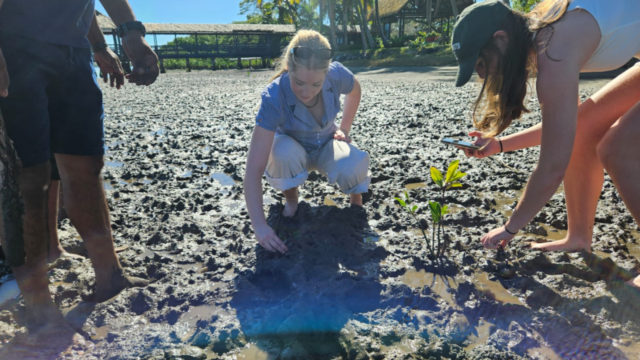
The government continues to support the initiative as part of wider efforts to protect the environment and address underlying community issues.