 Litia Cava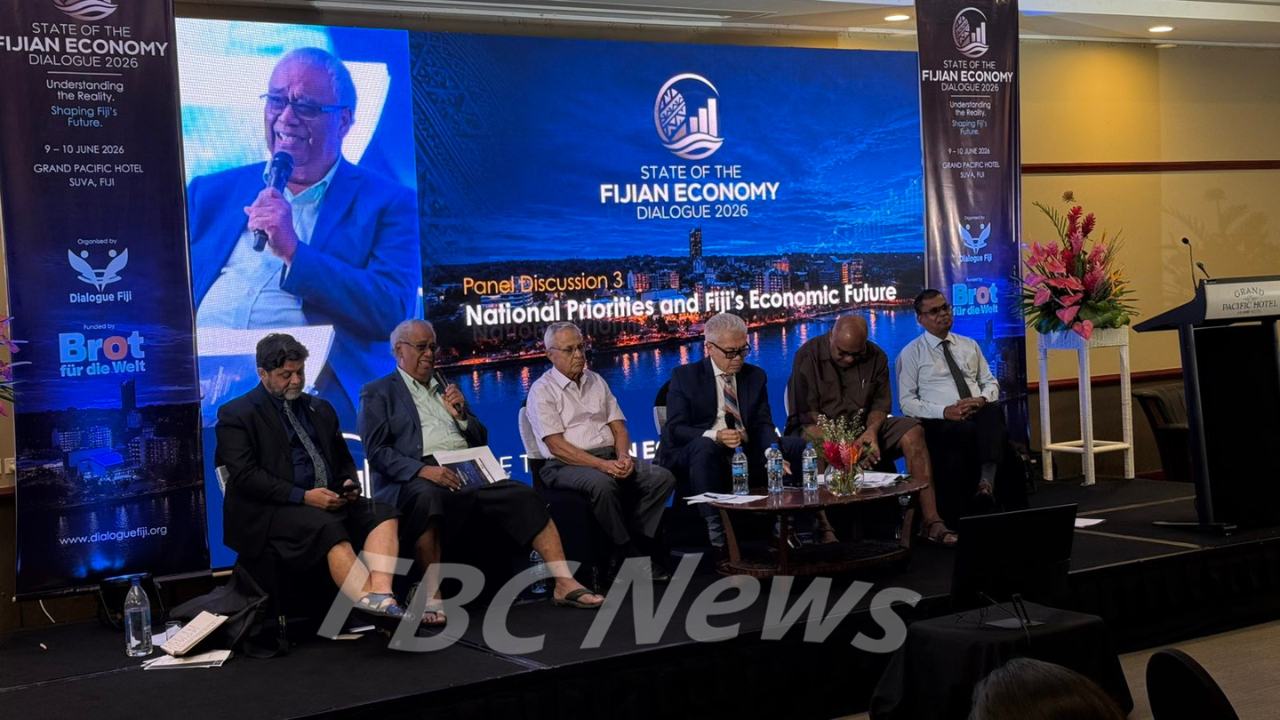
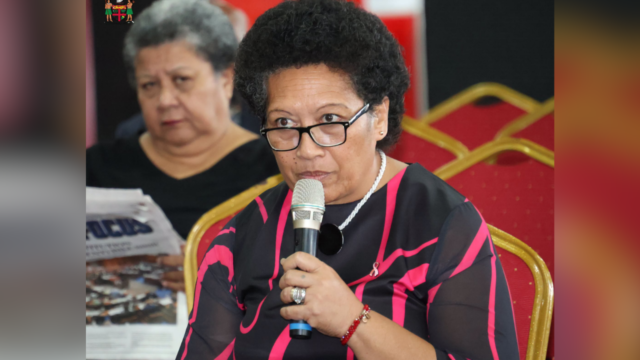
[Photo: Litia Cava]
Government must tighten fiscal policy, curb rising costs and confront corruption.
It must also diversify the economy to avoid further decline.
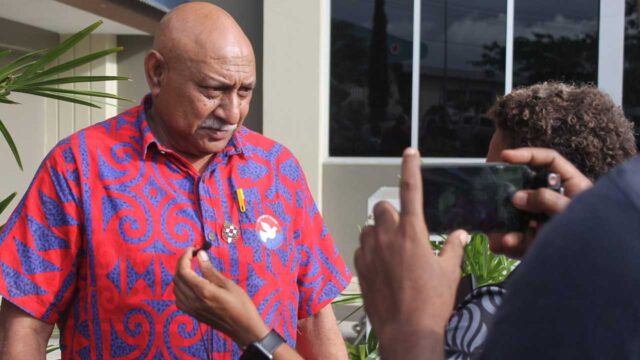
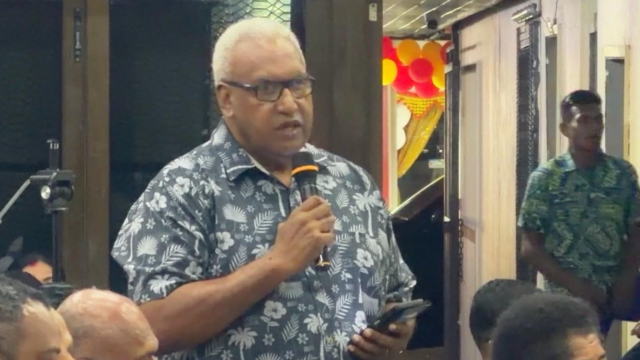
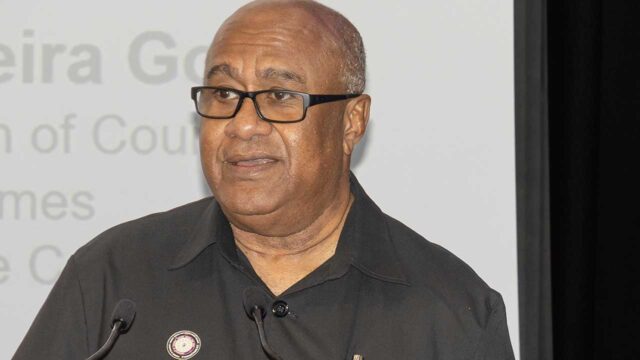
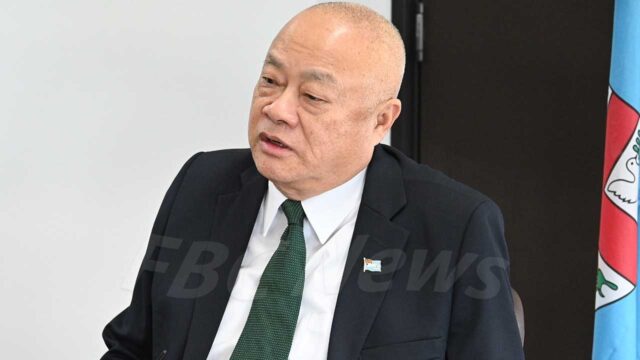
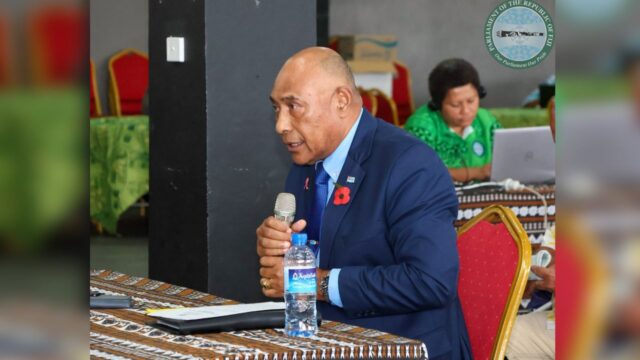
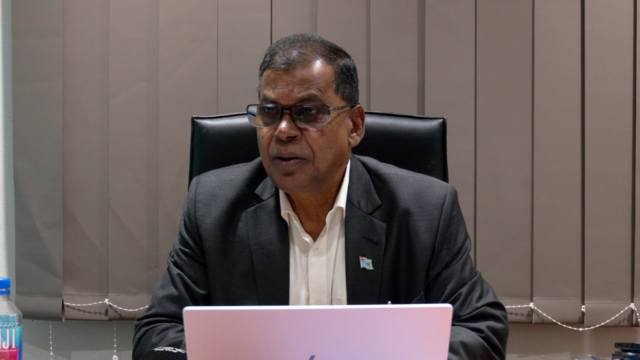
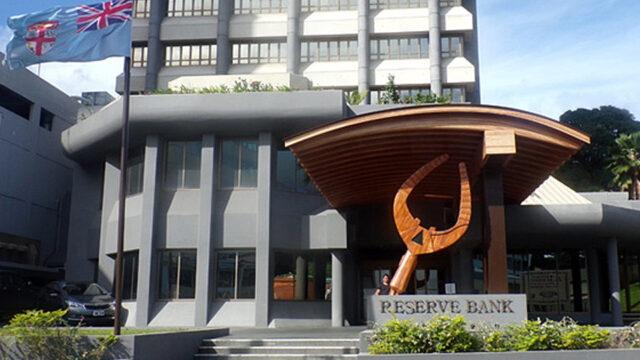
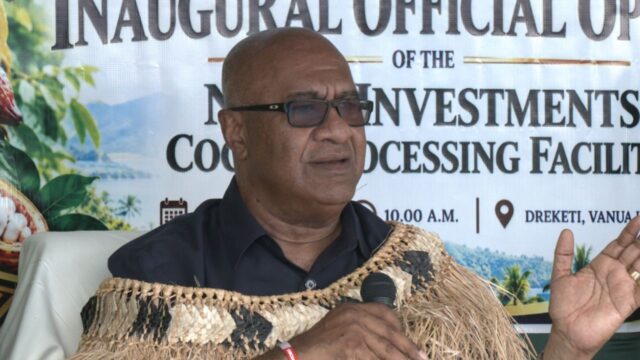
Unity Fiji Party Leader and former Reserve Bank of Fiji Governor Savenaca Narube made the call today at the Grand Pacific Hotel in Suva during the State of the Economy Dialogue 2026.
He said Fiji was now facing one of its most fragile economic positions in decades.
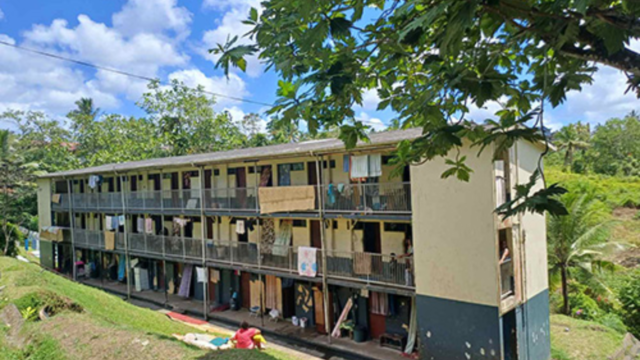
“A few issues on the cost of living. I know it’s coming from abroad. We really do not have any control of that but we can control the impact. And how that impact is shared in the economy. The equitable burden sharing of this cost of living.At this time, as I see it, the consumers are bearing all this. Consumers. We need equitable burden sharing and I know government can do this through the mechanism of its price control. Look at the margins. That this price control items.”
Narube says the immediate task is to restore fiscal space, warning that public debt is approaching 85 per cent of GDP and has severely constrained the government’s ability to respond to emerging pressures.
He argues that fiscal repair must come through spending cuts rather than revenue increases, calling for a broad 15 per cent reduction in non-essential government expenditure.
He also proposes rolling back parliamentary salaries to 2022 levels, reducing domestic and overseas travel costs, freezing new government vehicle purchases and suspending major institutional processes such as constitutional and electoral review commissions, which he says should be left to a future administration.
In his view, tighter control of capital expenditure is also necessary to halt the erosion of fiscal sustainability.
His second priority centres on the cost of living, which he says is being disproportionately absorbed by households while other parts of the economy remain insulated.
Narube calls for a recalibration of how the burden is shared, arguing that policy tools such as price controls should be used more aggressively to limit margins on essential goods.
He also suggests targeted reductions in fuel import duties, offset by higher duties on luxury imports, framing the approach as revenue-neutral but socially redistributive.
He further warns that currency depreciation,he cites a four per cent fall against major currencies this year is amplifying imported inflation and deepening pressure on household budgets.
Corruption forms his third immediate priority, which he describes as a structural drain on economic efficiency and public trust.
Narube says it diverts resources away from essential services, distorts allocation decisions and contributes to broader social instability.
He calls for visibly stronger political leadership in anti-corruption efforts, backed by enhanced investigative capacity and the possible use of external expertise in complex cases.
The former RBF Governor also suggests reviewing enforcement systems and penalties, while strengthening community participation in anti-corruption efforts, linking governance weaknesses to wider social challenges, including rising drug-related activity.
Beyond immediate stabilisation, Narube says Fiji’s medium-term survival depends on economic diversification anchored in more effective use of natural resources, which he argues have been in long-term decline.
He states that successive decades have failed to fully harness these sectors, warning that continued inaction risks repeating structural weaknesses.
Narube also stresses that reform must go beyond technical policy changes, arguing that a shift in national mindset is essential for meaningful transformation.
He said Fiji’s economic challenges are no longer cyclical but structural, requiring decisive fiscal restraint, governance reform and a reorientation of the country’s development model.