 Litia Cava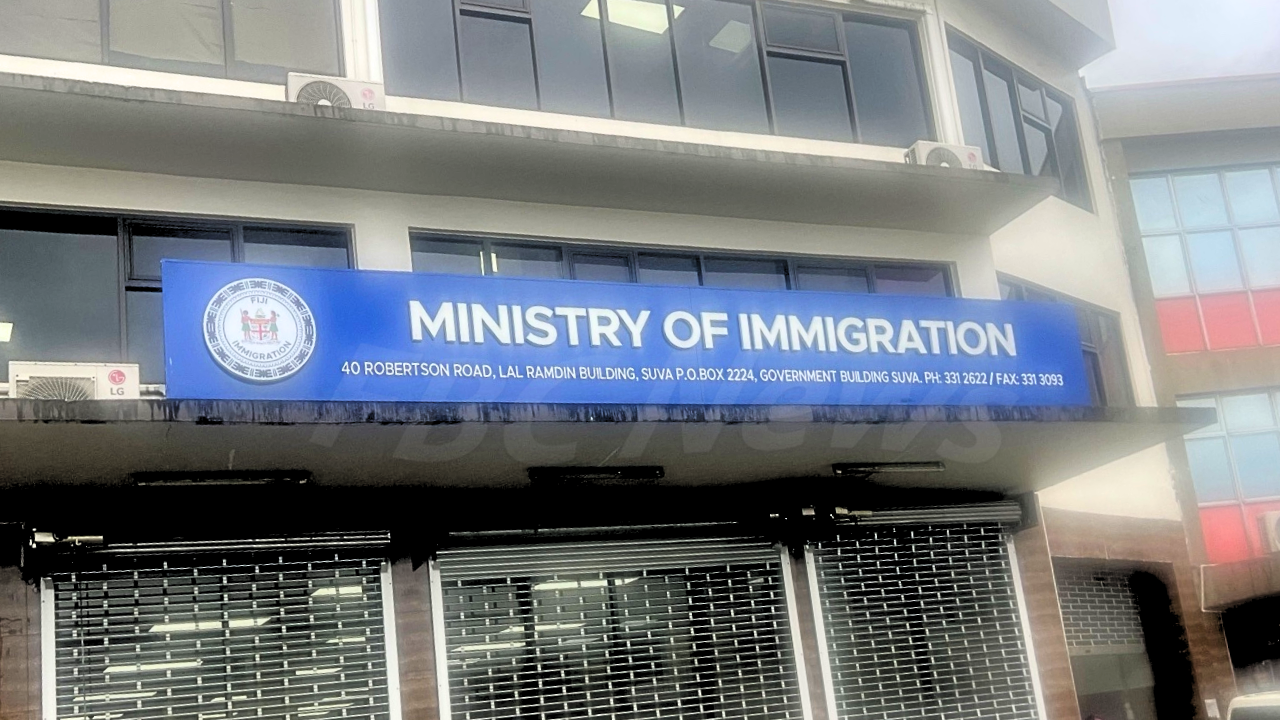
[Photo: FILE]
The Ministry of Immigration is under pressure as it transitions into a standalone ministry.
Officials say it is also taking on expanded responsibilities that go beyond its original border control mandate.
Permanent Secretary for Immigration Aliki Salusalu told the Standing Committee on Foreign Affairs and Defence that the Ministry was never designed to scrutinise investors but now carries that function alongside its core duties.
“When they pass on that role to immigration, we were not designed to scrutinise investors. Our role is to clear passengers at the border. The issue of permits and visas, the processing of citizenship, and passports.”
Salusalu said the investor assessment role was previously managed by the Fiji Islands Trade and Investment Bureau before being transferred to immigration, adding to the agency’s workload.
He said immigration has historically operated as a border enforcement body, working closely with security agencies such as the Fiji Police Force and the Republic of Fiji Military Forces under previous government structures, including the Office of the Prime Minister and the Ministry of Defence.
Salusalu said the ministry was now in its first financial year as a standalone entity from 2025 to 2026.
He said the transition has improved visibility but exposed gaps in policy direction, funding, and strategic influence.
The PS said staffing remains limited, with only the Minister and Permanent Secretary added during the shift, while most of the structure remains at former departmental levels.
He said job evaluations and planned reforms have also been delayed.
Salusalu said the agency continues to manage visas, permits, citizenship applications and passports while handling border security operations across major entry points.
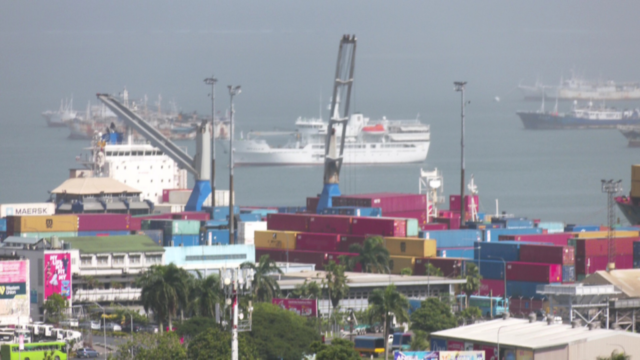
He pointed to high passenger volumes at ports of entry, including Nadi International Airport, which processes close to one million arrivals annually, along with Suva, Nausori, Lautoka, Savusavu, Levuka and Malau.
Salusalu said immigration now plays a central role in border security and makes sovereign decisions on entry and refusal at Fiji’s borders.
He said the ministry has also taken on an economic function through investor assessments, despite not being originally structured for that role.
Salusalu said policy and capacity constraints remain as the agency adjusts to its expanded mandate and growing responsibilities.