 Nikhil Aiyush Kumar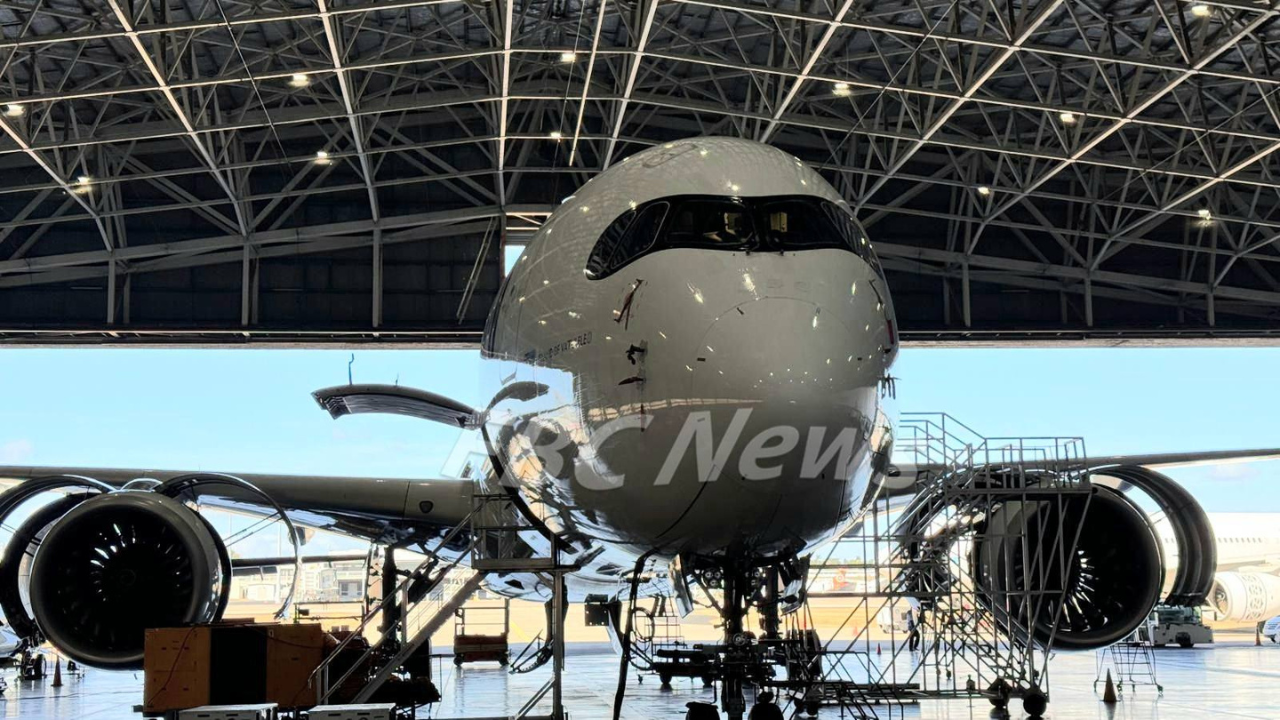
[Photo: File]
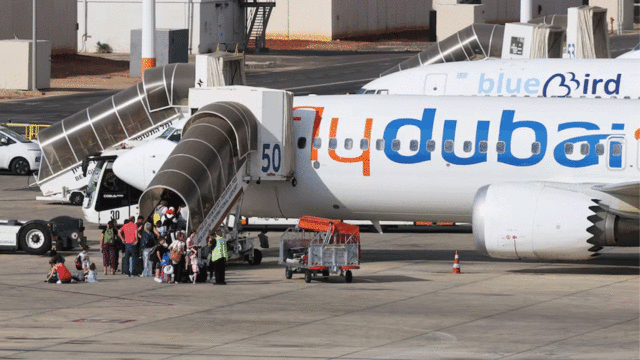
The Government is seeking Parliament’s approval for an additional $200 million guarantee to support Fiji Airways’ borrowing as the national airline faces mounting financial pressure from higher aviation fuel costs.
The proposed guarantee would be valid for three years, from August 1st this year to June 30th, 2029.
Fiji Airways would also be exempted from paying a guarantee fee.
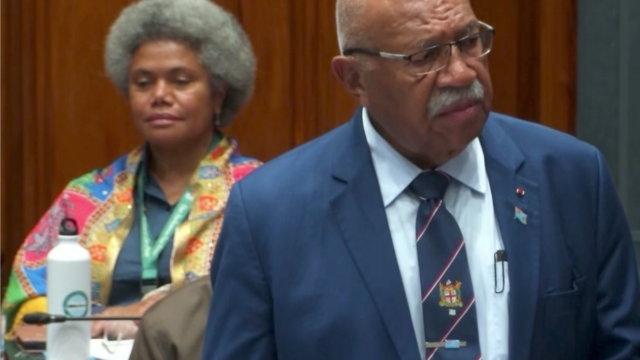
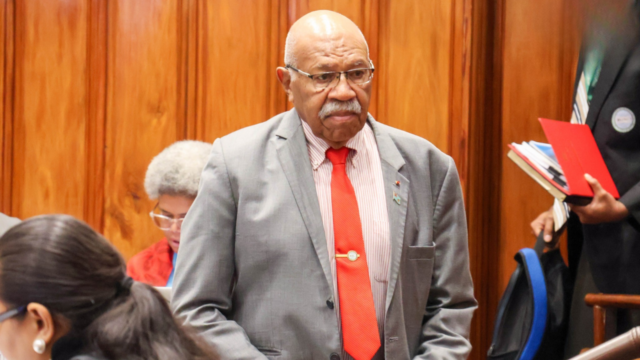
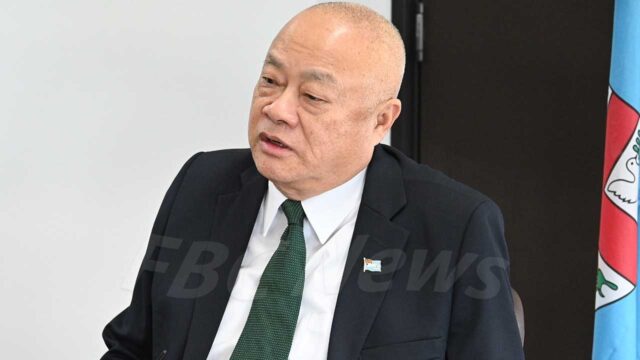
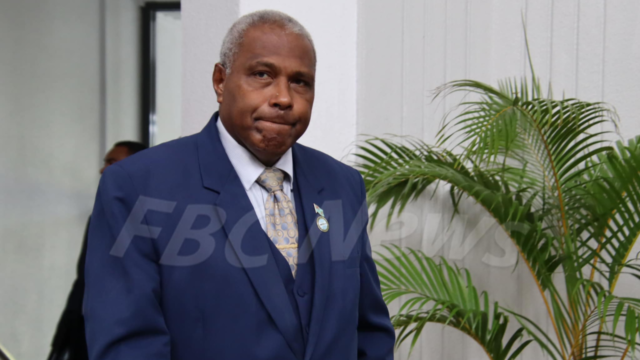
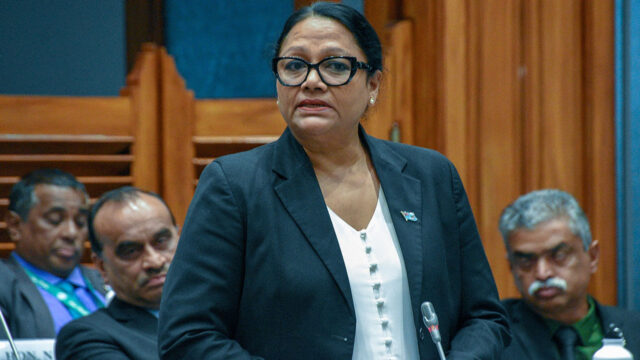
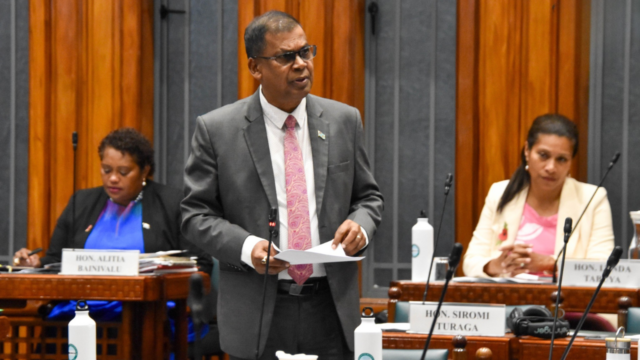
Minister for Finance Esrom Immanuel says Fiji Airways is a critical strategic asset, carrying around 70 percent of visitor traffic into Fiji and providing key international and domestic air connectivity.
The Government is the airline’s largest shareholder, holding a 51 percent stake.
Immanuel says the additional guarantee is needed to address Fiji Airways’ immediate liquidity requirements and strengthen its operational resilience.
Of the $200 million, around $123 million would be used to replace cash currently restricted as collateral against standby letters of credit.
He adds the remaining $77 million would support revolving working capital facilities and help the airline manage the impact of elevated aviation fuel costs.
The Minister says aviation fuel remains Fiji Airways’ single largest operational cost, with the airline’s fuel bill increasing by around $130 million in the second quarter of 2026 compared with the same period last year.
The latest request comes after Fiji Airways recorded cumulative losses of around $666 million between 2020 and 2022 during the COVID-19 pandemic.
The airline rebounded strongly following the reopening of borders, recording a profit of around $121 million in 2023.
However, it subsequently recorded audited consolidated losses of $25 million in 2024 and $40.3 million in 2025.
Immanuel says Fiji Airways is projected to record another significant loss in the 2026 financial year.
Despite the financial challenges, the Government maintains that Fiji Airways remains essential to tourism, trade, employment, foreign exchange earnings and Fiji’s regional connectivity.
The Government has already introduced several measures to support the airline.
These include extending the tax loss carry-forward period from eight to 15 years and waiving around $10 million in fees over the next 12 months.
A temporary five percent tourism services levy on hotels, tour operators and cruise operators with annual turnover of $2 million or more is also due to take effect from September 1st.
The levy is expected to generate around $70 million for Fiji Airways.
However, Immanuel has cautioned that the Government’s ability to support the airline continually is limited.
He says the additional guarantee will be contingent on measures to strengthen Fiji Airways’ overall financial position.
These include cost-reduction measures, operational efficiencies, a possible partial divestment of non-core assets, network optimisation, price adjustments, and revenue enhancement initiatives.
The Government’s existing guaranteed debt exposure stood at around $1.1 billion, equivalent to eight percent of GDP, at the end of April this year.
The additional $200 million Fiji Airways guarantee would increase total Government-guaranteed exposure to around $1.3 billion, or 9.5 percent of GDP.
Immanuel says the Government would be liable for the guaranteed borrowing if Fiji Airways defaults.
However, he says the airline has never previously required the Government to honour its guaranteed borrowings.
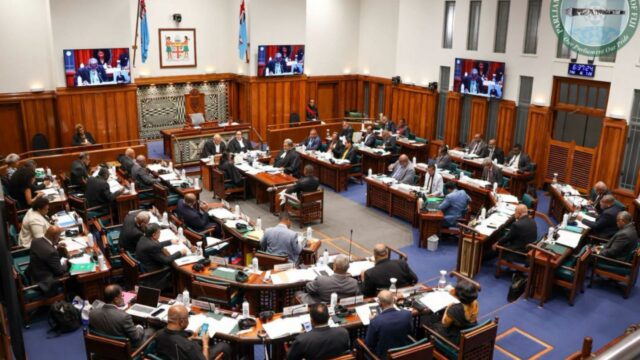
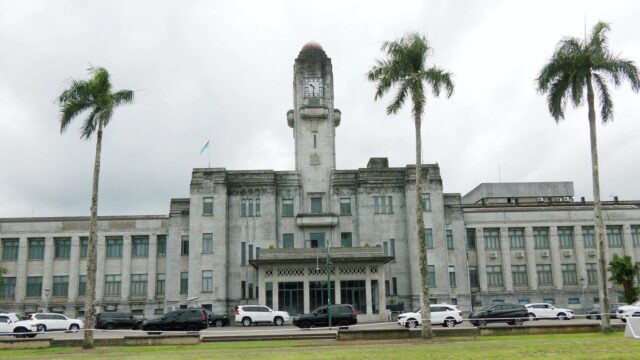
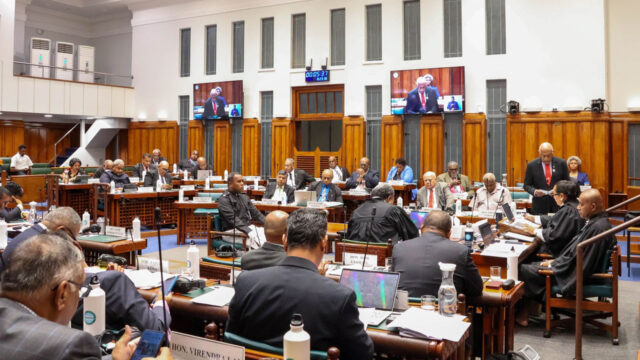
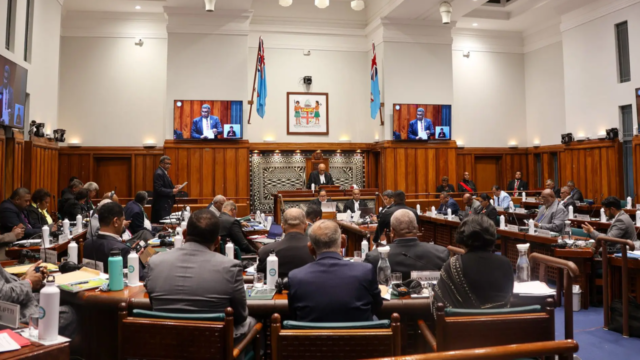
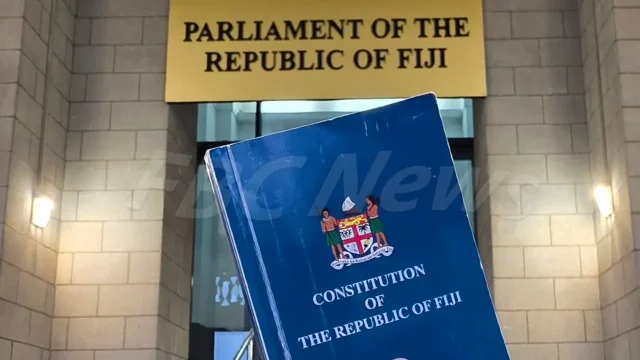
Debate on this bill is underway in parliament.