 Reuters
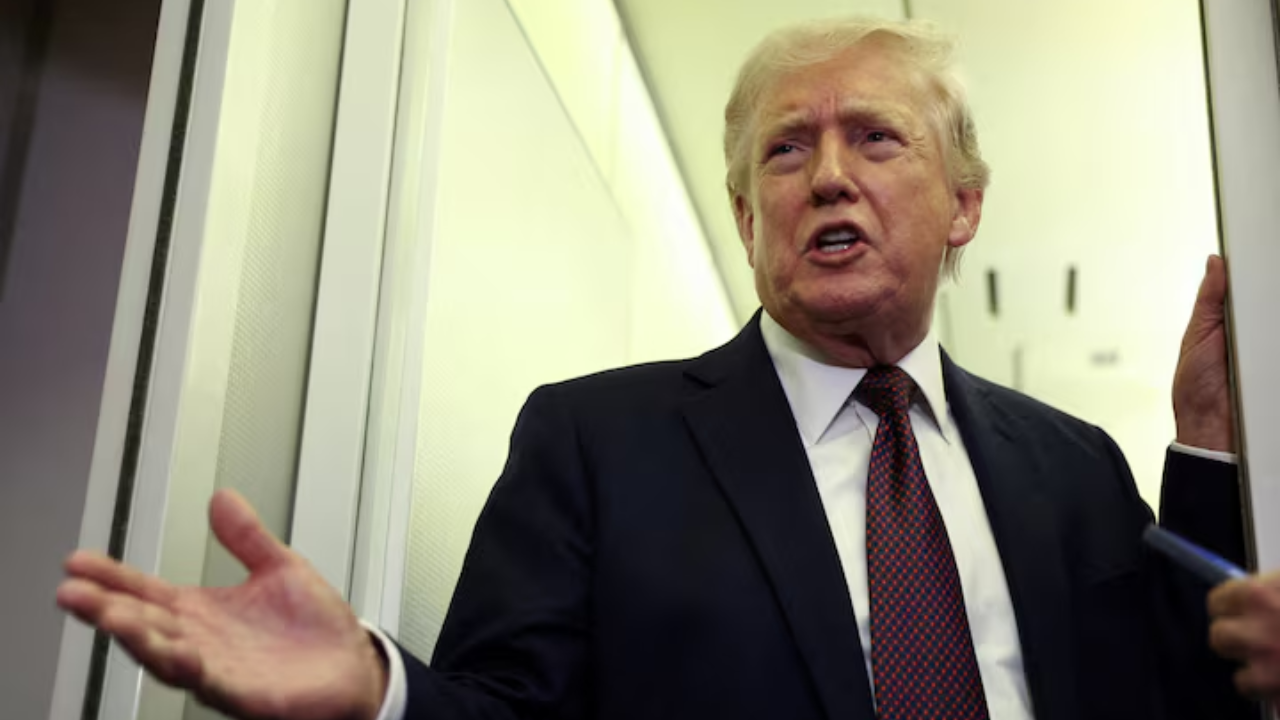
[Source: Reuters]
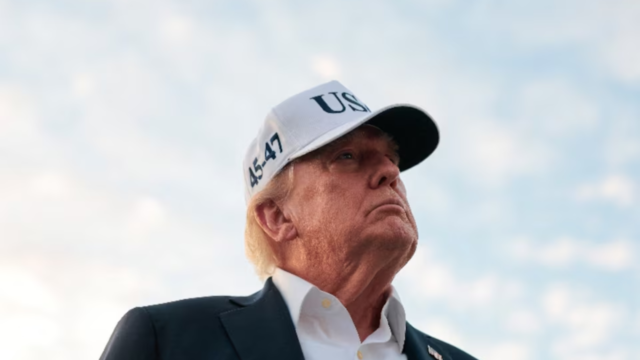
With an agreement on a framework for a peace deal with Iran, U.S. President Donald Trump may have found a way to begin extricating himself from an unpopular war while setting global markets on a path toward easing energy prices that have spiked during the crisis.
But he has settled for a deal that appears short of many of the goals he outlined in the early days of the conflict, potentially opening himself up to attacks from hawks in his own party and leaving the U.S. looking strategically worse off than it did before he went to war.
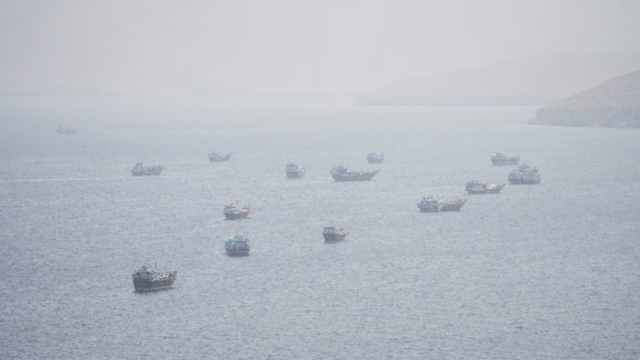
More than three months after attacking the Islamic Republic, Trump on Sunday gave his approval to a “memorandum of understanding” that marks the most significant breakthrough in peace talks so far, including Iran’s commitment to reopen the Strait of Hormuz, which could help lower high U.S. gasoline prices.
At the same time, the Pakistani-mediated deal – the text of which was not immediately released – also apparently calls for significant U.S. concessions, including deferring discussions over ending Iran’s nuclear program, Trump’s main stated war objective.
Trump’s pursuit of an exit plan has intensified amid growing pressure to end a war that has killed thousands, inflicted economic pain at home, and driven down his approval ratings just months ahead of November’s U.S. midterm elections. His Republican Party is struggling to maintain control of Congress.
In the run-up to Sunday’s announcement, his efforts, however, had already faced pushback from Iran hawks in Washington who warned about giving up too much to Tehran.
“The Deal with the Islamic Republic of Iran is now complete. Congratulations to all!” Trump said in a social media post on his 80th birthday. Shortly afterwards, Iran confirmed the accord, which is due to be signed on Friday, but will leave many critical questions unanswered.
The two sides have put forth sometimes conflicting interpretations of the framework, which is meant to extend the current ceasefire for 60 days to allow for detailed talks to permanently end a war that has created an unprecedented global energy supply shock.
Trump also faces the prospect of the U.S. looking weakened, while Iran, though battered militarily and economically, could end up with greater leverage, analysts say.
Although there is little doubt that U.S. and Israeli strikes heavily degraded Iran’s military capabilities, Tehran has shown it can survive an onslaught while throttling one-fifth of the world’s oil and gas supplies.
The White House did not respond to Reuters’ questions for this story.