 Josefa Sigavolavola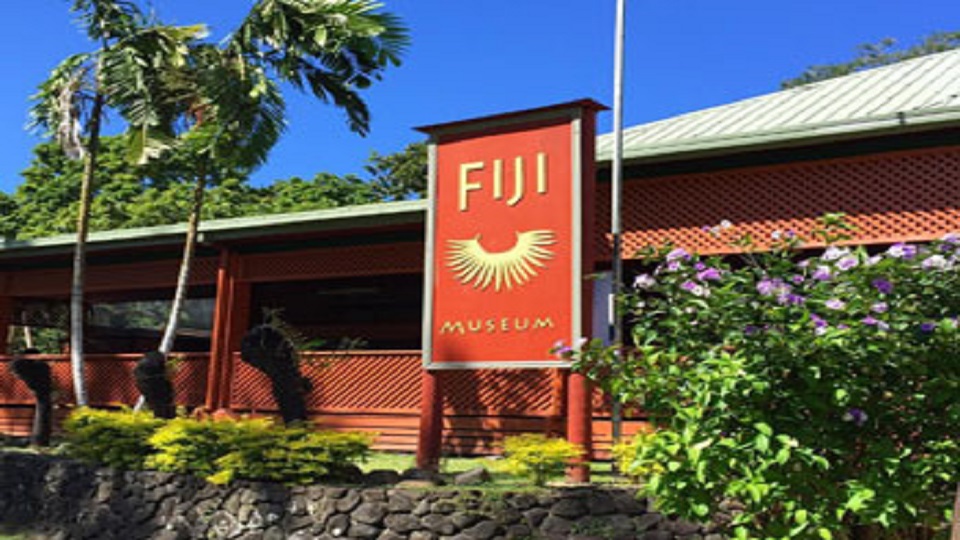
[Photo: FILE]
The Fiji Museum is urgently seeking additional funding to continue one of the country’s largest heritage preservation initiatives.
It warns that the project could stall when the current funding ends in September.
The museum requires an additional $300,000 to retain interns and continue its digitisation programme through to 2028.
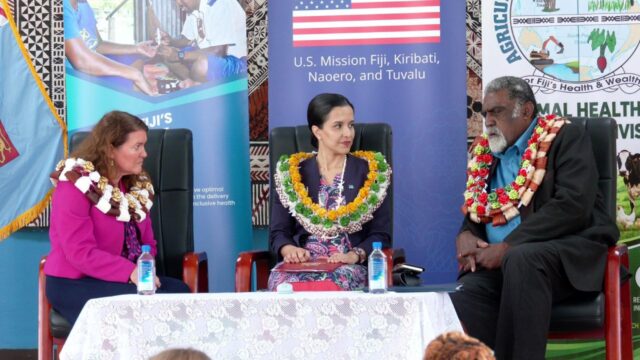
The project began in 2021 with support from the United States Ambassadors Fund and aims to digitally preserve the museum’s extensive collection, making Fiji’s historical records more accessible for future generations. However, progress has been affected by several challenges, including the COVID-19 pandemic and interruptions to funding.
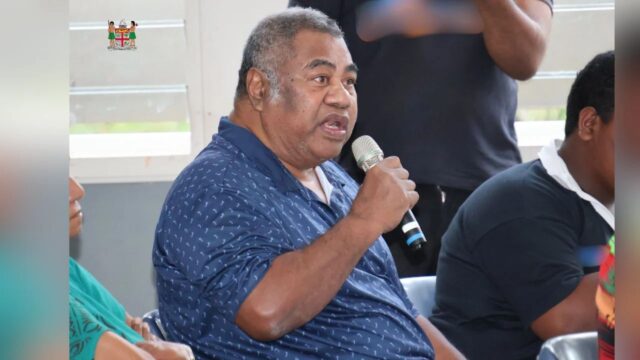
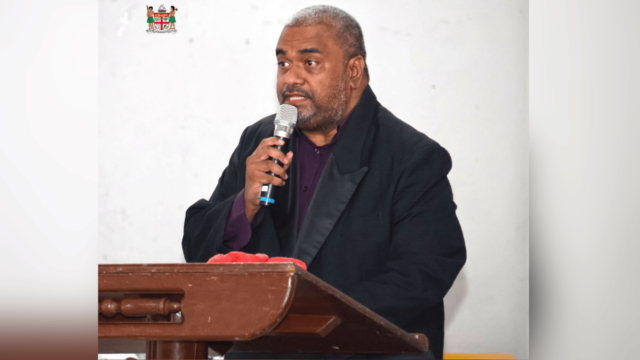
Fiji Museum Chief Executive Armando Lowe says the current funding will expire in September.
“Now, by the end of September, the US Ambassadors Fund will run out. It will have been completely used up, and we will have 40% of the collections digitised by then. So we are now desperately trying to find extra funding to continue on the digitisation project until December 2028.”
Lowe said securing additional funding would allow the museum to complete the digitisation of its entire collection by the end of 2028.
“Which is, if we can keep the interns on, means that 100% of the collections will be digitised by December 2028, but we need to find another, between September this year, 2026, and December 2028, we need to find another $300,000 to keep the interns on, to keep the momentum in terms of digitisation.”
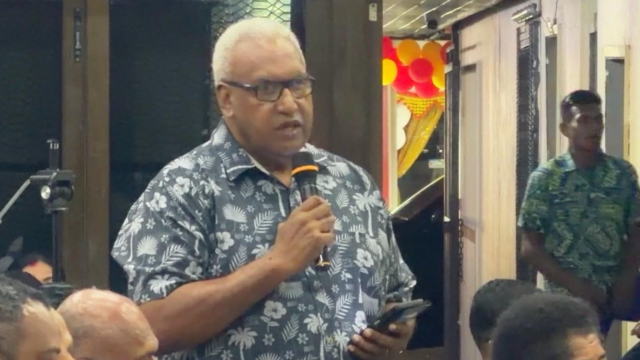
Meanwhile, National Archives Director Timoci Balenaivalu states that efforts are also underway to digitise important records held by the Archives.
“We are also planning to look at some of those digitisation projects for some of the important records that we have. Currently, we are working together with Multi-Ethnic Affairs. There’s a project that’s currently going on.”
Museum officials warn that without new funding, progress on the digitisation programme could slow significantly, leaving thousands of valuable historical records yet to be preserved and made accessible to future generations.