 Josefa Sigavolavola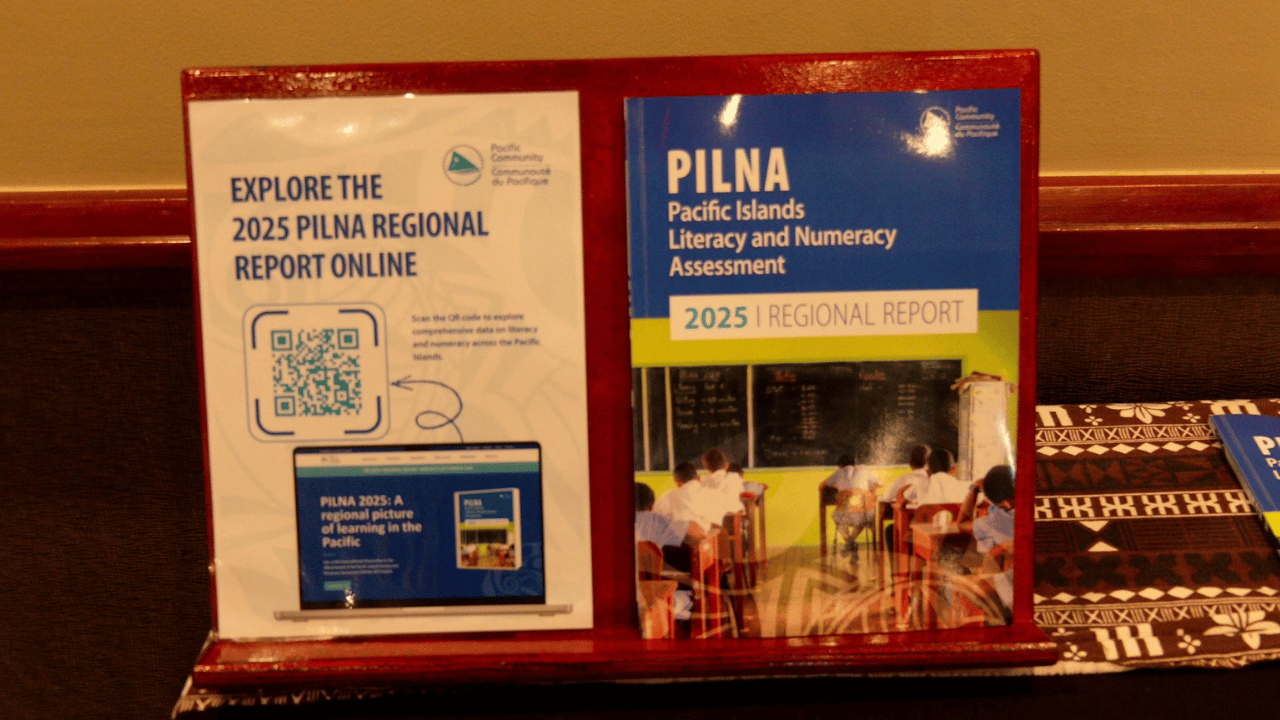
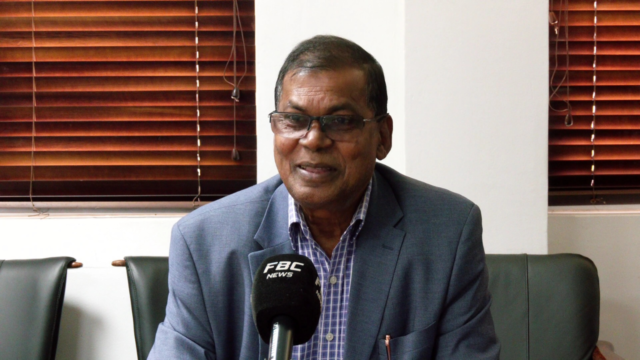
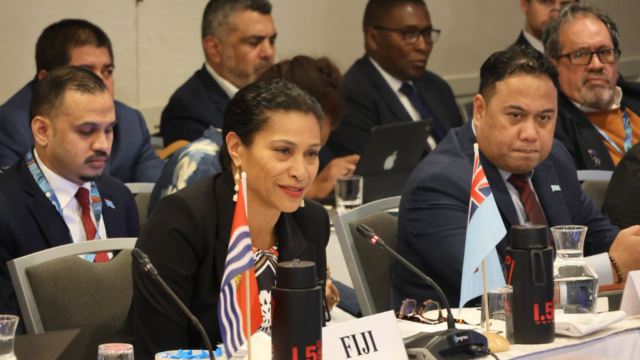
[Photo: JOSEFA SIGAVOLAVOLA]
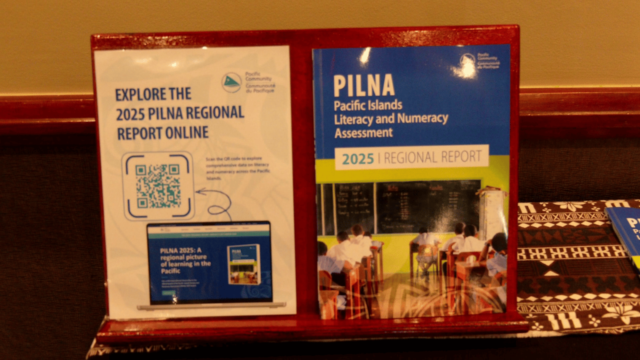
The Pacific Islands Literacy and Numeracy Assessment 2025 report has highlighted significant literacy challenges across the region, with more than half of Year Four students failing to meet expected reading proficiency standards.
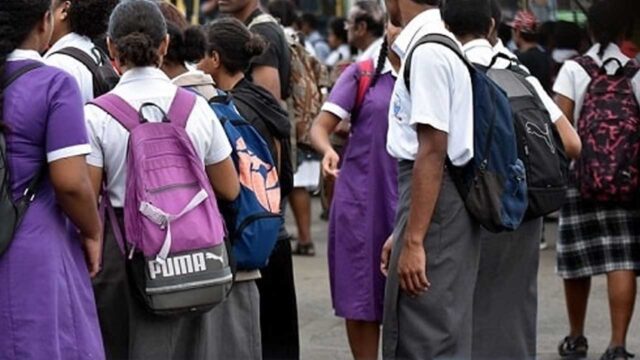
Launched in Suva today, the report found that only 44 percent of Year Four learners reached the expected reading benchmark, raising concerns about literacy development in Pacific classrooms.
The findings show that the issue persists as students move through the education system, with 46 percent of Year Six learners still performing at or below the Year Four reading benchmark.
The report has prompted concerns about how effectively struggling learners are being identified and supported before learning gaps widen.
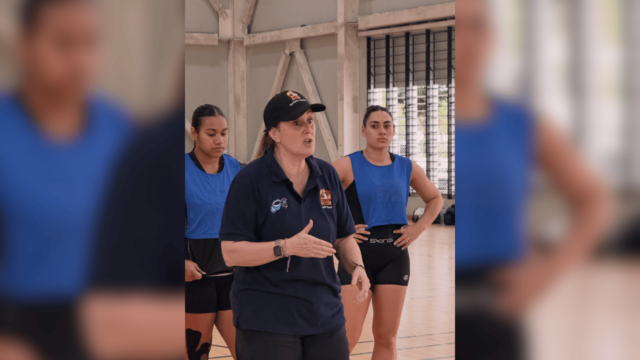
Deputy Director of SPC’s Educational Quality and Assessment Programme, Seci Waqabaca, says the latest assessment cycle includes new measures aimed at strengthening education data across the Pacific.
“The 2025 cycle introduces important developments, including writing proficiency and the parent/caregiver questionnaire alongside work to strengthen the contextual evidence available to us”
The assessment also indicates that many learners can manage basic and familiar reading tasks but face difficulties when higher-level thinking skills are required.
Team Leader for Large Scale Assessments at SPC, Torika Taoi, says the challenge extends beyond basic reading ability.
“Learners can often manage familiar and straightforward tasks; the challenge becomes greater when they’re required to draw inferences, reason, apply knowledge in less familiar situations, think critically, or work through multi-step problems.”
Education officials say the findings underscore the need for early intervention, stronger reading instruction and targeted support to ensure students develop foundational literacy skills before progressing through school.
Taoi says PILNA remains an important tool for measuring education outcomes across the region.
“Through PILNA, Pacific Island Countries can report and monitor their progress towards achieving a global education target, ensuring that Pacific Voices and context are reflected in the data.”
With the report now publicly available, stakeholders are calling on governments, education leaders and development partners to take action to improve literacy outcomes and address learning gaps identified in the assessment.