 Vasenai Soqo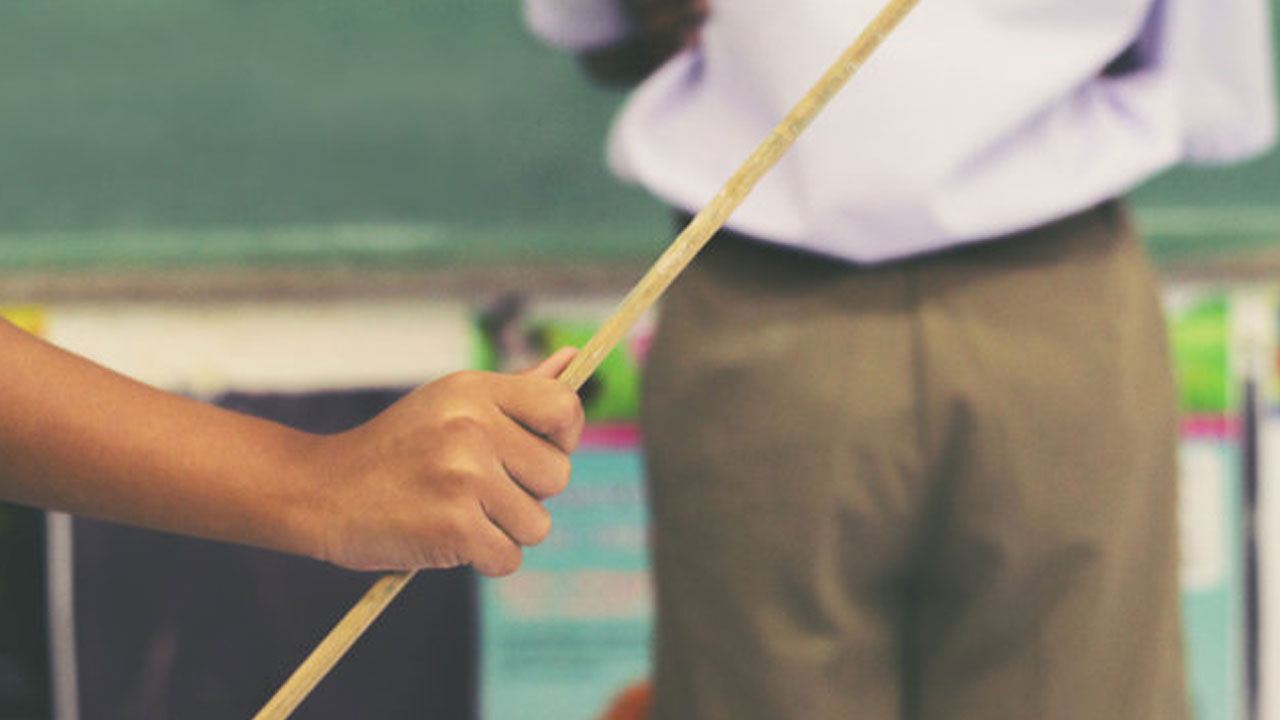
[Photo: FILE]
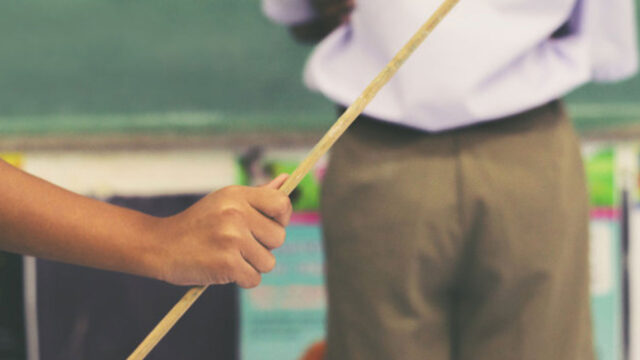
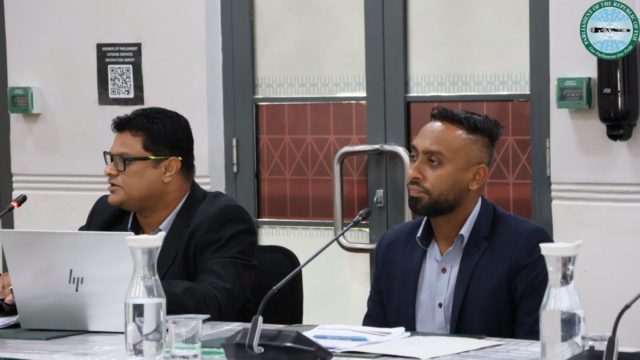
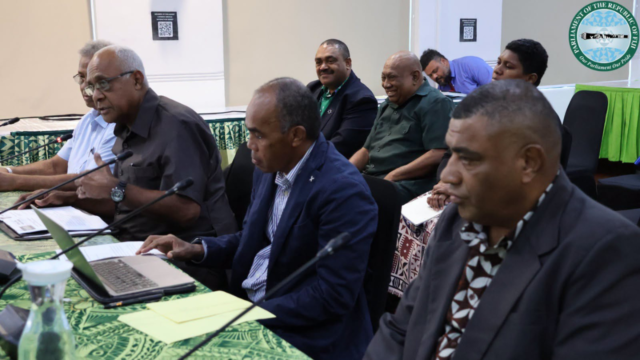
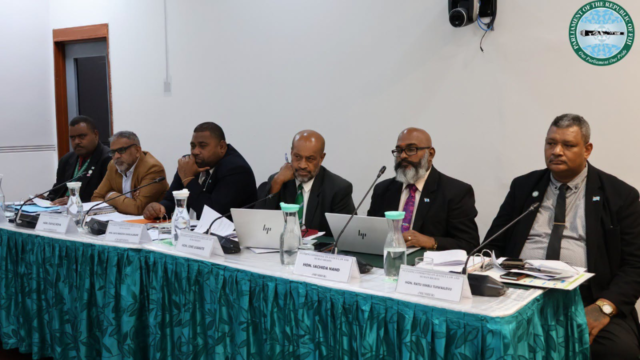
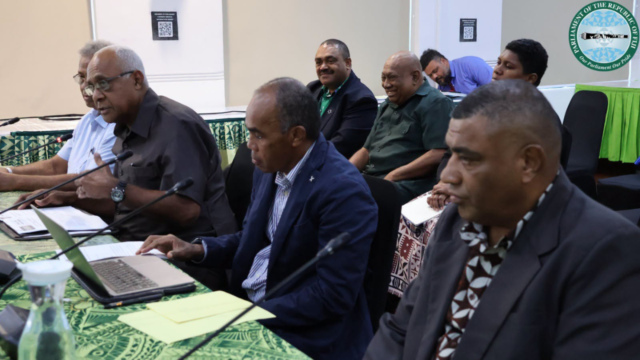
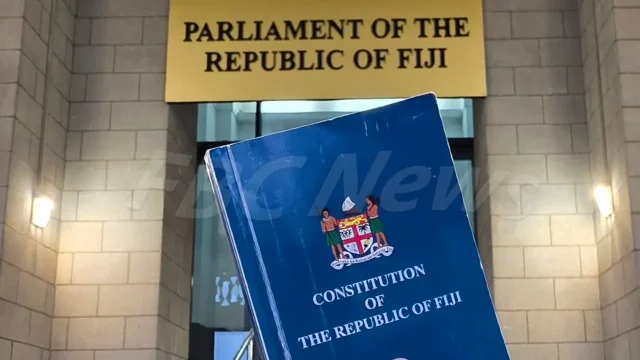
The debate over corporal punishment has been raised during submissions to the Constitution Review Commission, with divided views from communities and child welfare groups.
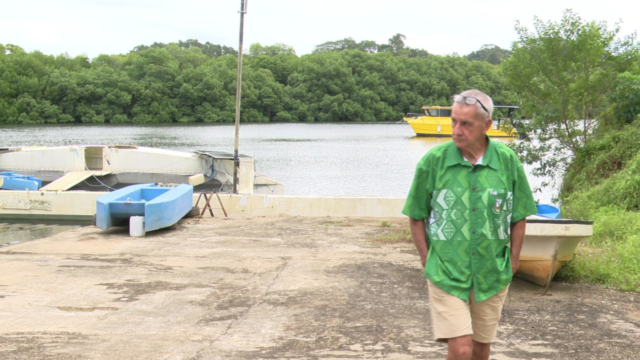
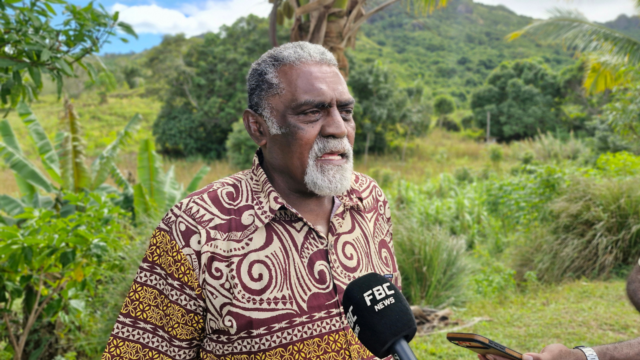
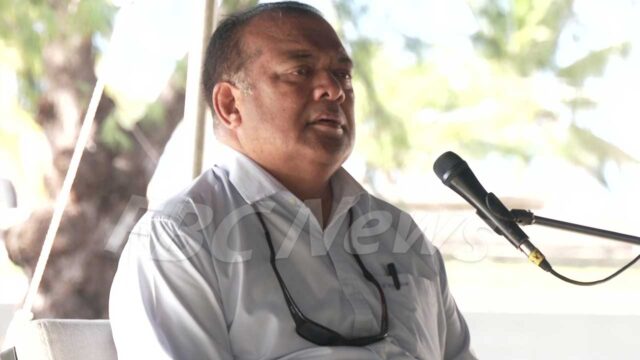
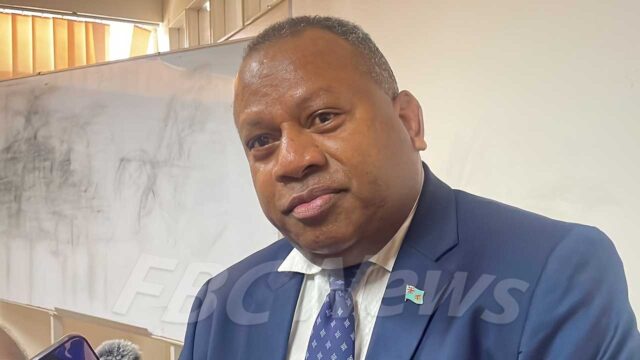
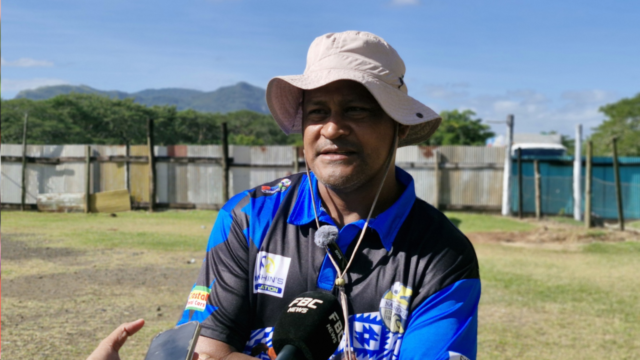
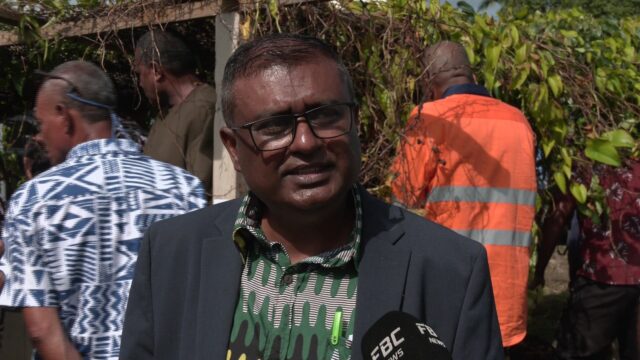
Retired Republic of Fiji Military Forces soldier Nepote Turagalevu told the Commission that the removal of corporal punishment under the 2013 Constitution has affected children’s behavior.
He said discipline in homes and schools has weakened since the change. He is calling for its reinstatement.
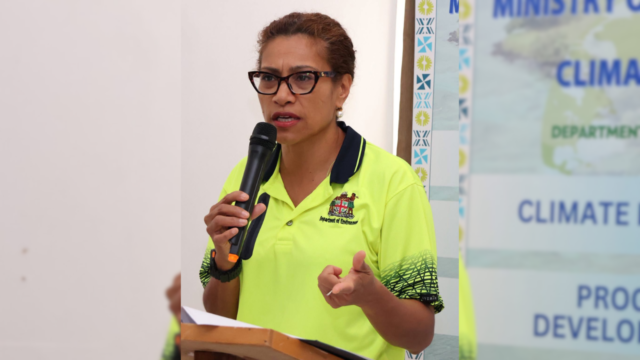
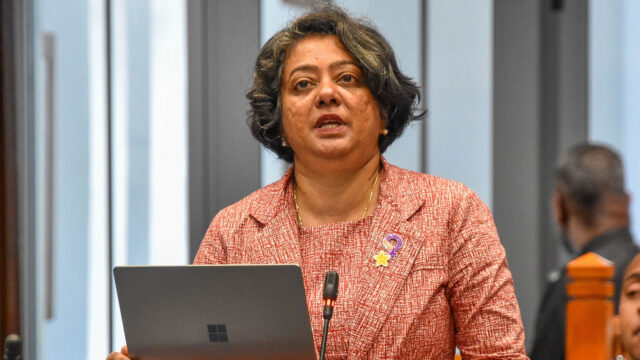
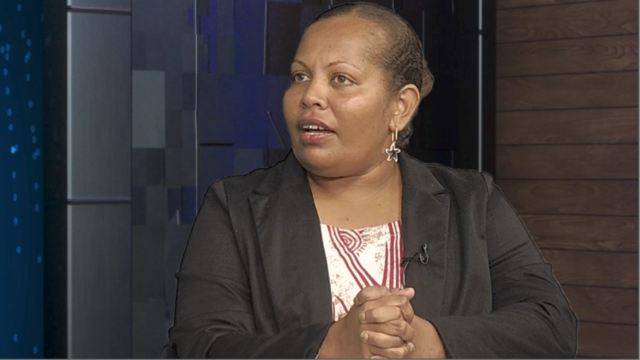
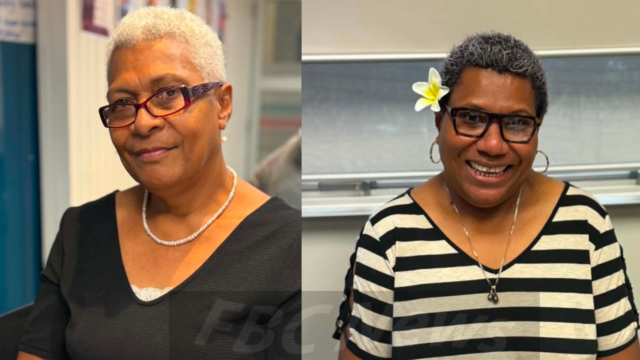
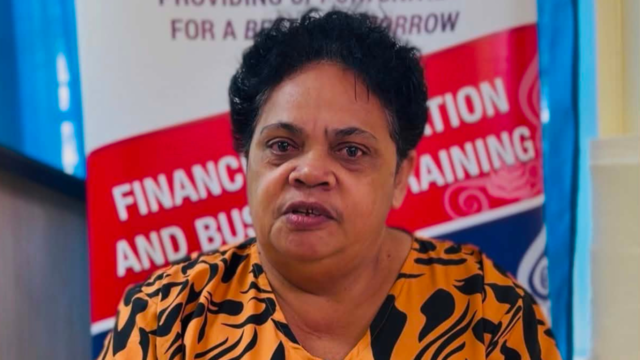
Commissioner Merewalesi Nailatikau said the issue has been repeatedly raised in iTaukei settlements in Ba, Tavua and Rakiraki.
She said some communities see corporal punishment as part of their traditional values. They refer to it as a God-given resource, alongside land, natural resources and people.
She also said concerns have been raised about student misconduct and violence in schools. Some school leaders have also called for the issue to be reviewed.
Nailatikau said the Commission would consider these concerns as reports of school-based assaults continue.
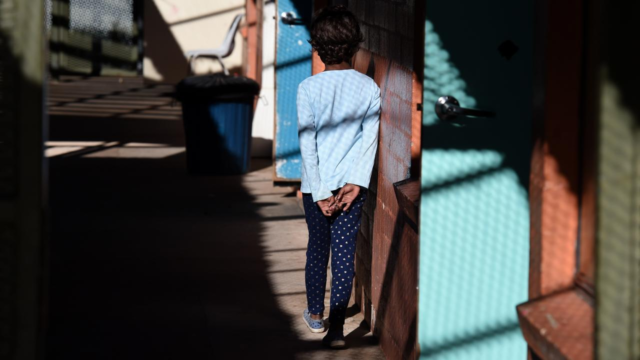
However, the National Early Childhood Development Advisory Committee has strongly opposed reinstating corporal punishment.
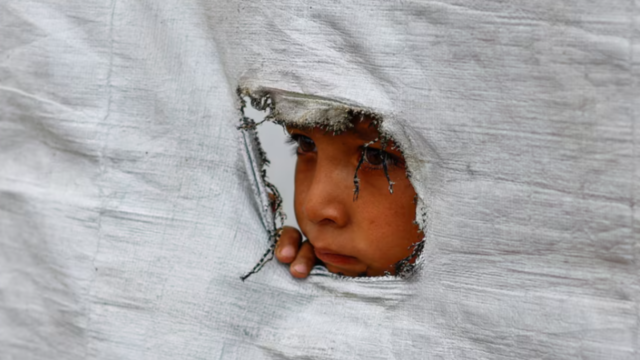
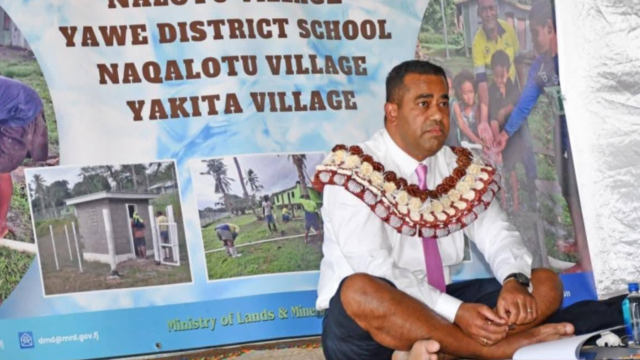
Representative Temesia Tuicaumia said physical punishment often creates fear in children. He said it does not help them learn from mistakes.
“The cost of failing our children is already visible in our nation today. We see it in our schools when children arrive unprepared to learn. We see it in our health systems when preventable development challenges remain unaddressed.”
Tuicaumia added that it increases pressure on health services, social services and the justice system.
It also has long-term impacts on wellbeing and productivity.
He adds that no country can achieve sustainable development while ignoring the wellbeing of its children.