 Nikhil Aiyush Kumar
[Photo: FILE]
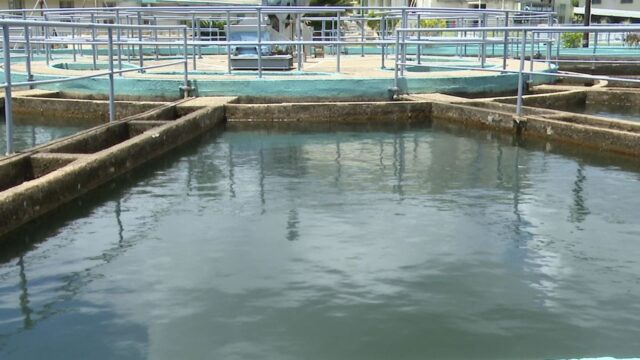
Nearly half of Fiji’s treated water is being lost before it reaches consumers, highlighting a persistent challenge in the country’s water infrastructure.
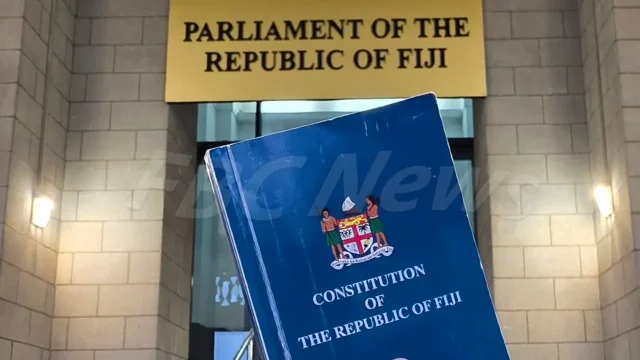
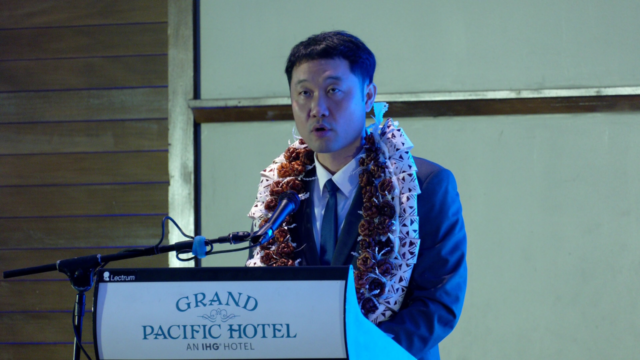
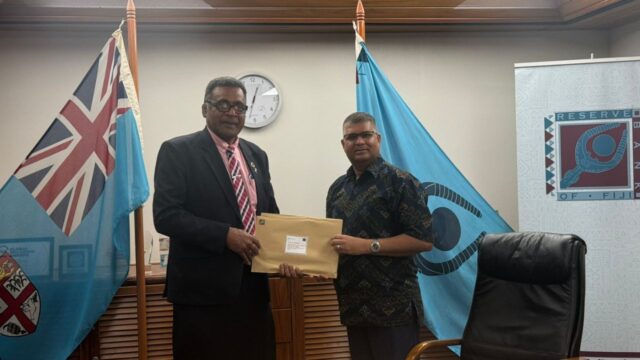
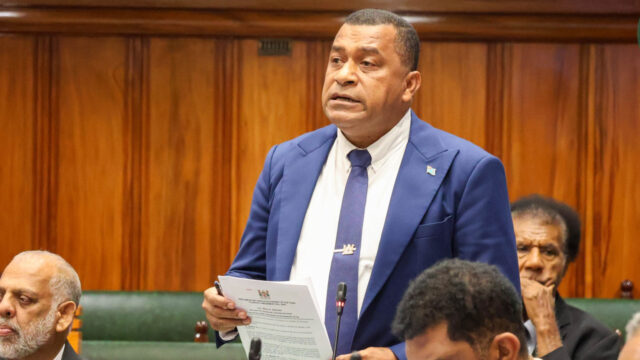
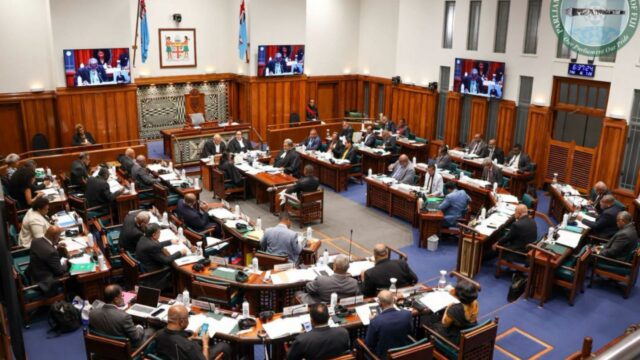
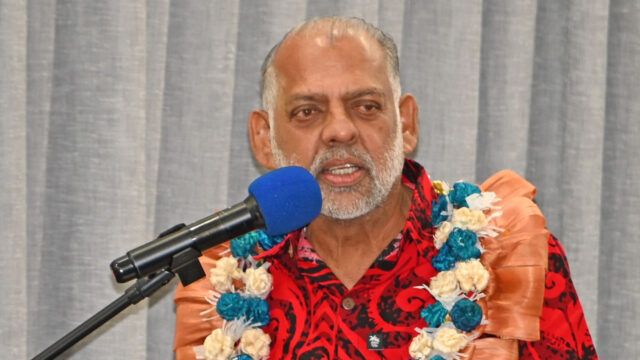
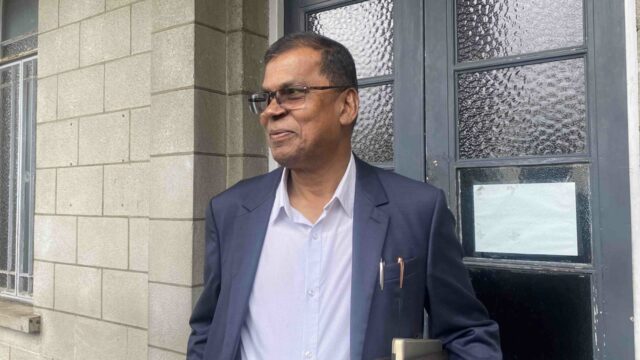
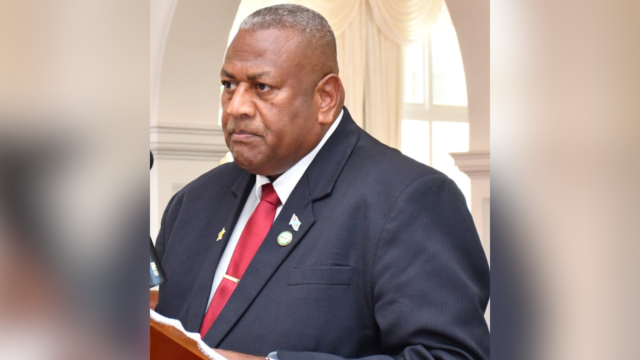
Minister for Public Works, Meteorological Services and Transport, Ro Filipe Tuisawau, told Parliament that the national level of non-revenue water currently stands at 47 percent.
The figure represents water that is produced but never billed due to leaks, illegal connections, meter inaccuracies, and system inefficiencies.
The Minister acknowledged that while the figure remains high, it reflects long-standing structural issues within the network, including ageing infrastructure, increased demand, and years of underinvestment.
According to government data, approximately 82 percent of these losses are concentrated in the country’s major urban water systems, particularly in the Suva–Nausori corridor and other key population centres. This concentration has prompted authorities to adopt a more targeted approach to reducing losses where they are most severe.
“Over the past three years, reductions have been incremental. As efforts have focused on stabilising operations, improving data integrity, and strengthening system controls, establishing the foundation for more impactful interventions.”
The issue sparked debate in Parliament, with opposition members questioning whether sufficient progress has been made.
Critics pointed out that non-revenue water levels were at a similar level in 2022, arguing that improvements have been minimal despite known causes such as leaking pipes and illegal connections.
In response, the Minister said reductions have been gradual, noting that levels have declined from around 50 percent over the past three years.
He emphasised that initial efforts have focused on stabilising operations and improving data accuracy as a foundation for more significant interventions.
The Water Authority of Fiji is now implementing a performance-based programme aimed at addressing the issue, starting with the country’s largest water network.
The initiative includes leak detection, system automation, pipe replacement, and capacity building for local engineers.
The government has set a target of reducing water losses by 20 percent within five years in key areas, with plans to expand the approach nationwide if successful.
Non-revenue water remains one of the most significant challenges for Fiji’s water sector, affecting not only service reliability but also the financial sustainability of the system.