 Praneeta Prakash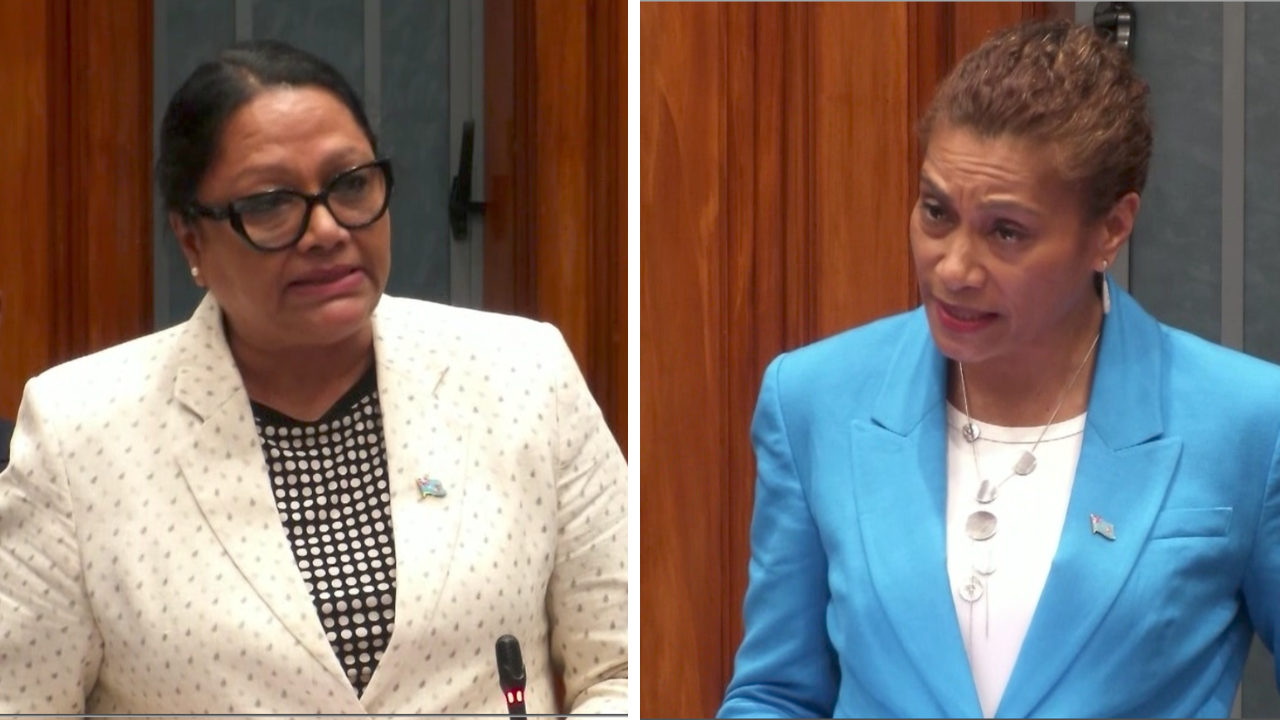
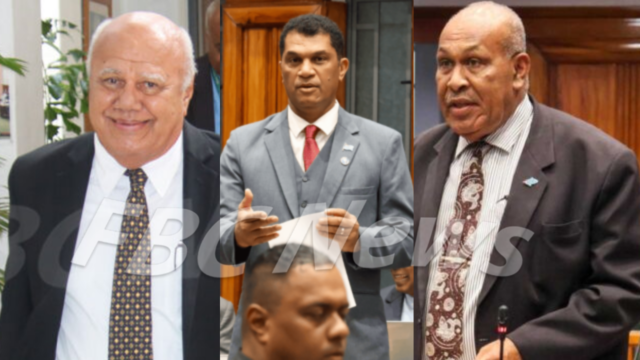
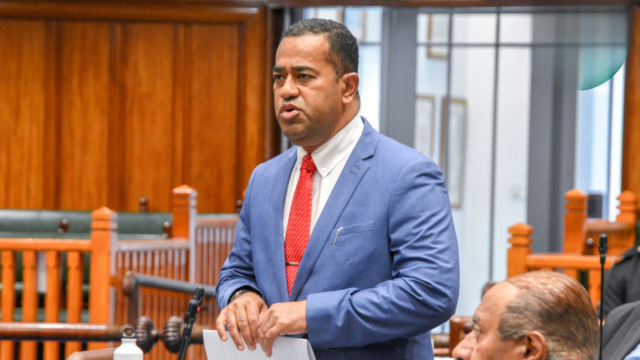
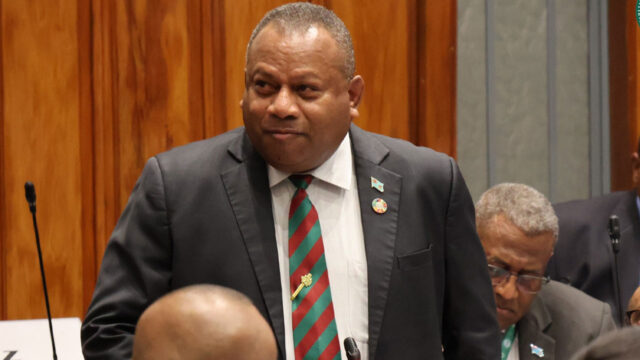
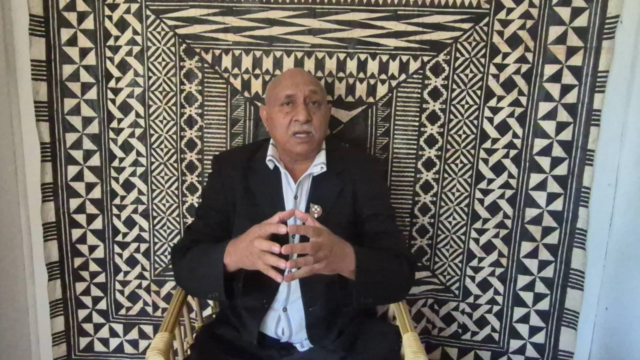
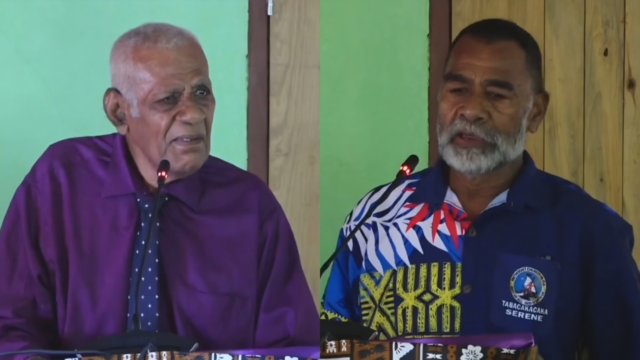
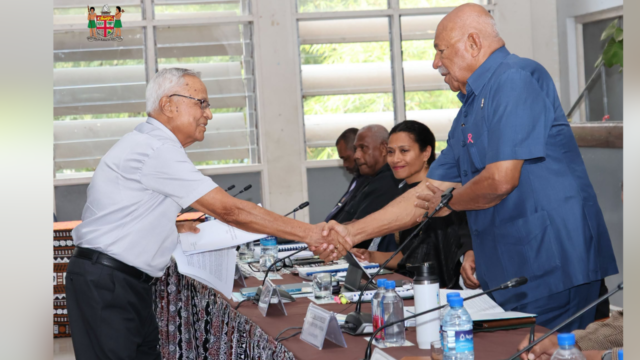
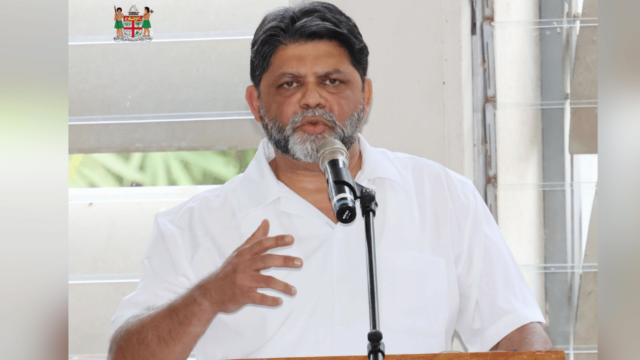
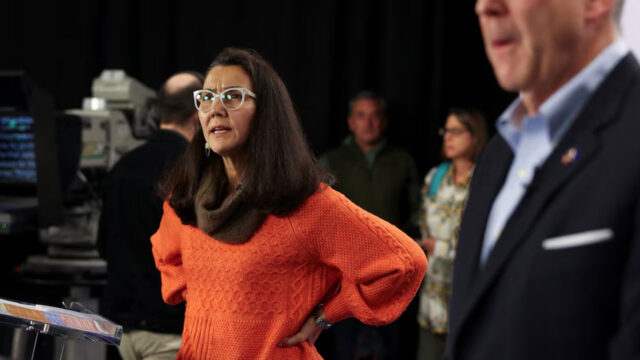
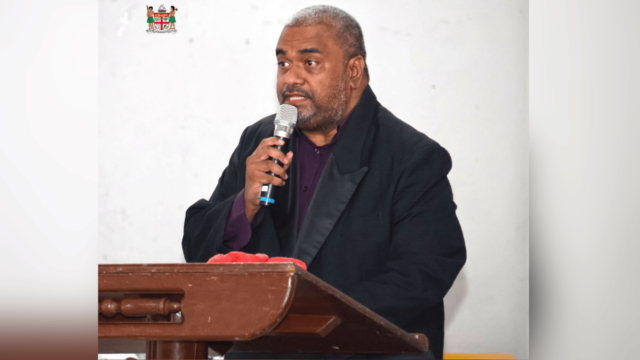
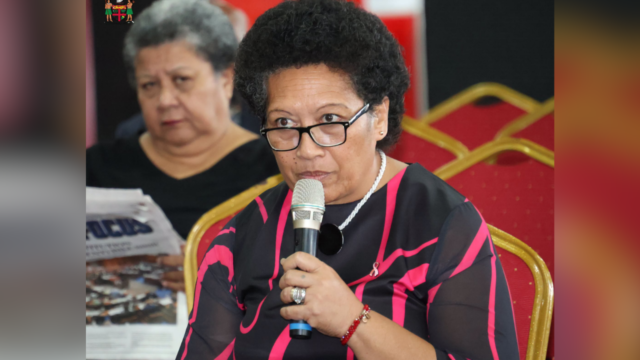
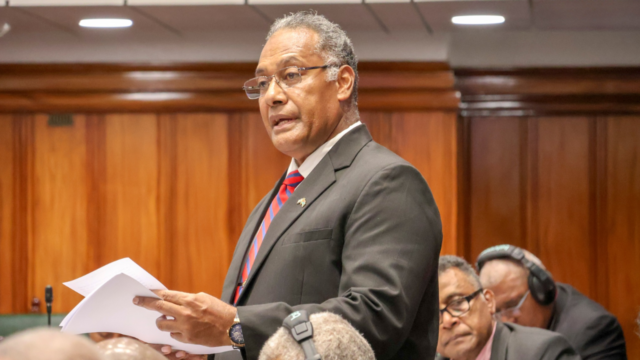
Opposition Member of Parliament, Premila Kumar(left), Minister for Environment and Climate Change Lynda Tabuya (right). [Photo: FILE]
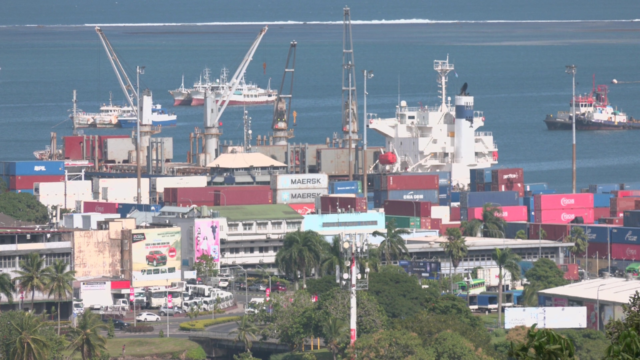
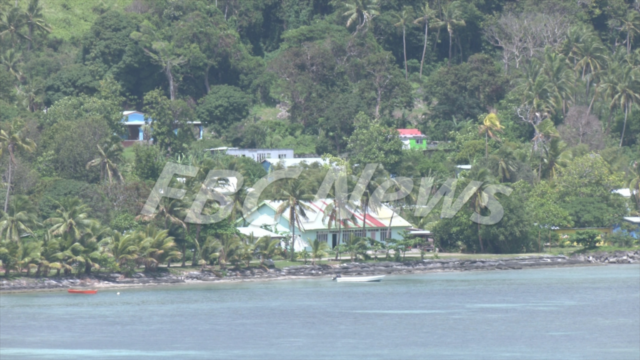
Opposition Member of Parliament, Premila Kumar, has strongly criticised the proposed waste-to-energy and private port development at Vuda Point in Lautoka, stating that the project poses serious environmental and health risks and should not have progressed to the environmental assessment stage.
Responding to a ministerial statement by Minister for Environment and Climate Change Lynda Tabuya, Kumar questioned whether adequate due diligence had been conducted on the project’s proponent before it entered the environmental impact assessment process.
Kumar says the development, led by TNG Pte Ltd, had previously been rejected in Australia after years of scrutiny due to concerns over air quality, water safety, and potential impacts on human health.
She says that Fiji should not consider a project deemed unsuitable under stricter regulatory systems.
The Opposition MP raised concerns about harmful emissions, which are linked to serious health conditions such as cancer and respiratory illness.
She questioned whether sufficient scientific data had been shared with the public during consultations.
Kumar also warned that the scale of the proposed facility exceeds Fiji’s domestic waste output, claiming the project could result in the importation of up to 150 tonnes of waste daily from countries such as Australia and New Zealand.
She says this risks turning Fiji into “the Pacific’s rubbish bin,” potentially conflicting with international agreements such as the Basel Convention and the Waigani Convention, which restrict the movement of hazardous waste.
She also raised concerns about a statement by Prime Minister Sitiveni Rabuka indicating support for the project before the EIA process had concluded.
Speaking on the Radio Fiji One programme Voqa ni Davui, the Prime Minister had said that the government remains committed to progressing the project.
However, Rabuka had also stressed that proper processes will be followed, including a thorough review of concerns raised during public consultations.
Kumar argues that such remarks risk undermining public confidence in what is meant to be an independent and evidence-based assessment.
“Is it another love affair with the billionaire? Or will it be of Fukushima, a case where the Prime Minister goes behind our backs and supports the dumping of nuclear waste in the Pacific, despite Parliament supporting the motion?”
Tabuya objected to the comments made by Kumar.
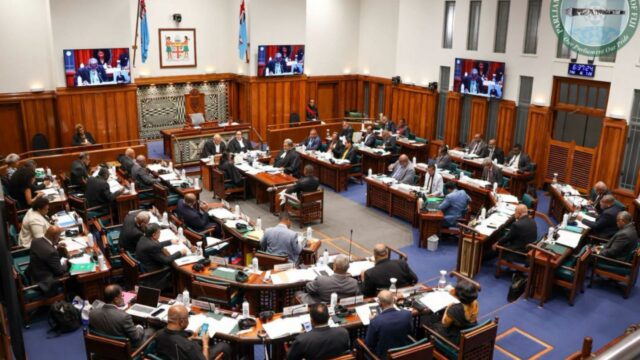
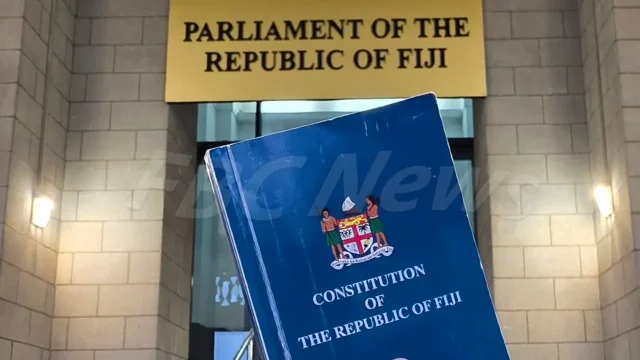
In her ministerial statement, Tabuya stressed that no decision has been made on the project and that the assessment is being conducted under the Environment Management Act 2005.
She told Parliament that the process is designed to ensure independence, transparency, and technical integrity, and warned against prejudging the outcome.
Tabuya also addressed concerns around government engagement with investors, stating that meetings and discussions form part of normal governance but do not equate to approval.
“A proposal is not a permit. A discussion is not an approval. Under Fiji’s legal framework, the authority to assess and determine environmental impact assessments is anchored in a statutory process established under the Environment Management Act of 2005 and its regulations.”
Tabuya maintains that the process must be allowed to run its course without political interference.