 Ritika Pratap

[Photo: FILE]
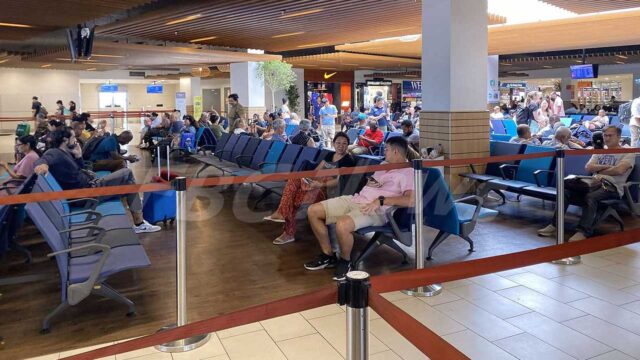
Fiji’s visitor arrivals grew 3.7 percent in the first nine months of this year.
Higher inflows from Australia, the US, and Europe drove the increase, with holidaymakers accounting for most arrivals.
In the year to June, provisional hotel statistics indicated stronger activity, with occupancy rates rising to 52.6 percent and hotel turnover up 10.5 percent.
The Reserve Bank of Fiji notes in its latest economic review that while forward bookings suggest some easing in occupancy between September and December, short-term demand remains resilient, supported by expanded air connectivity and flight capacity.
Recent developments include new services to the Gold Coast and increased flight frequencies to Hong Kong and Vancouver.
Visitor arrivals reached 95,970 in September alone, up 3.9 percent annually.
The RBF states sectoral performances were generally positive during the review period.
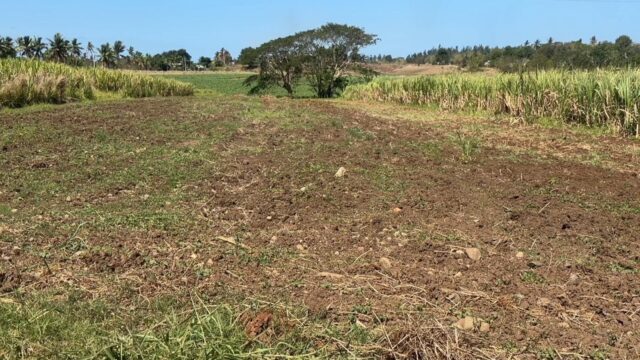
Compared to the same period last year, cane crushed rose over six percent, and sugar production increased 22.1 percent as of October 19, supported by better sugar recovery and improved milling across all mills.
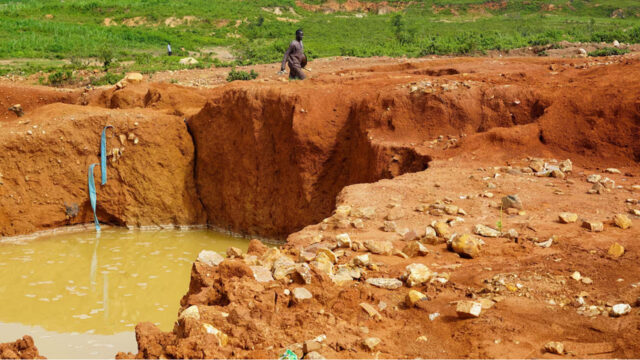
Gold production expanded 6.6 percent, mineral water output grew 11.8 percent in line with production plans, and woodchip production increased 1.6 percent, supported by external demand.
Labour market indicators remained mixed.
Newspaper job advertisements fell 26.2 percent in the year to September, largely in community, social & personal services, wholesale & retail trade, and transport & storage.
Despite softer hiring intentions, formal employment expanded 1.3 percent in August, with total wages paid rising 6.6 percent annually.
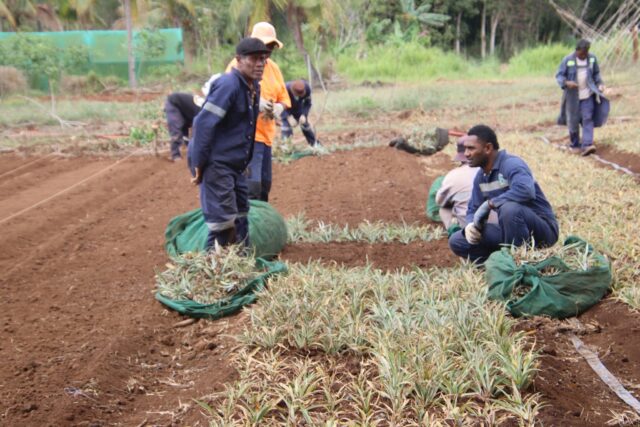
On the supply side, outward labour mobility increased 22.9 percent to 1,971 workers in the year to August, mainly through the Pacific Australia Labour Mobility scheme.
In contrast, long-term resident departures declined marginally (0.3 percent) through September, with fewer departures for emigration (down 16.7 percent) and education (down 11.8 percent).