 Sainimili Magimagi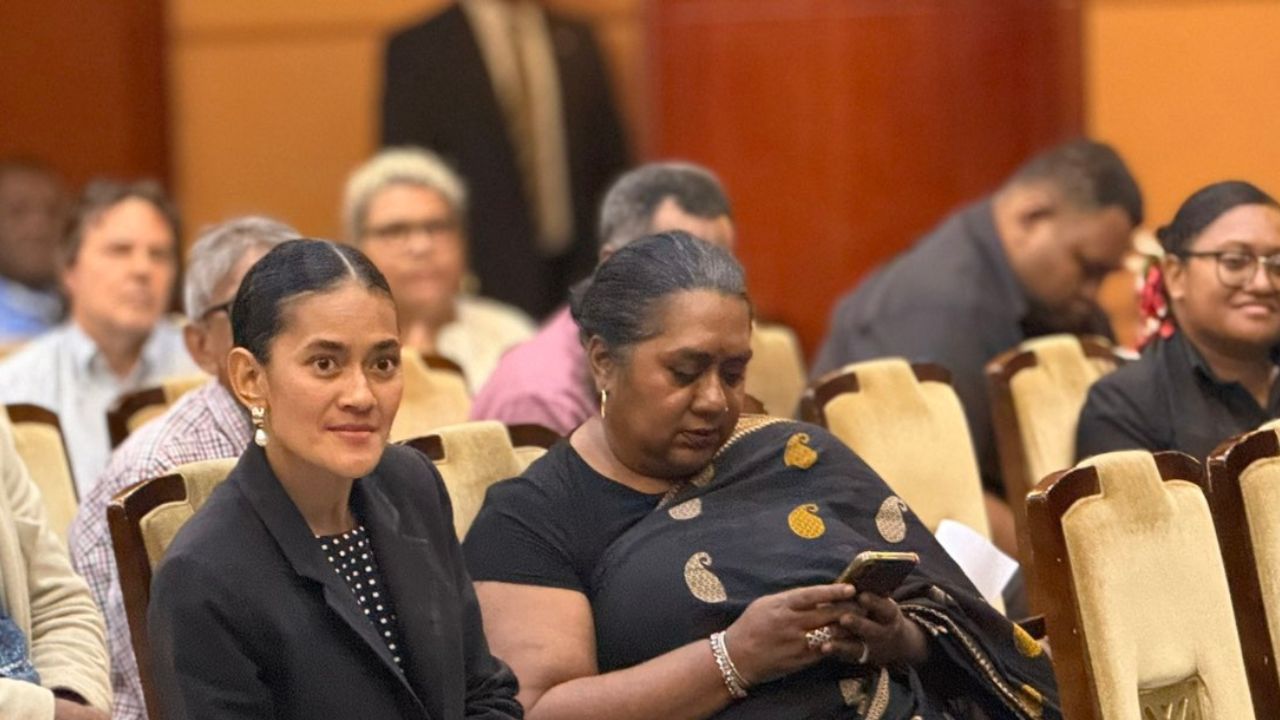
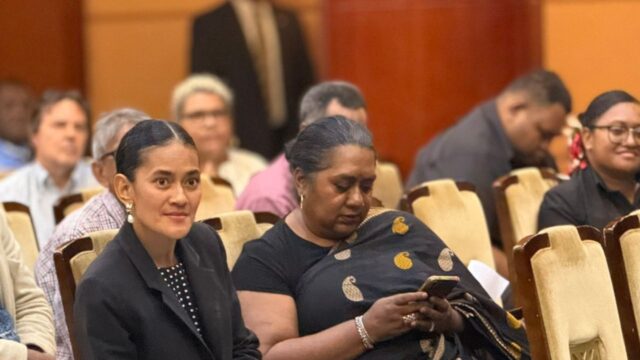
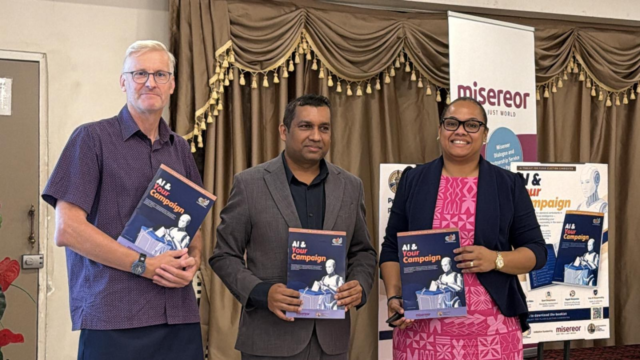
FWRM Executive Director Nalini Singh (on right) [Photo: Litia Cava]
The Fiji Women’s Rights Movement is calling for stronger safeguards against the abuse of State power and a review of constitutional immunity provisions in the Constitution (Amendment) Bill 2026.
The FWRM says the proposed changes must preserve citizens’ ability to challenge unlawful actions and hold those responsible accountable.
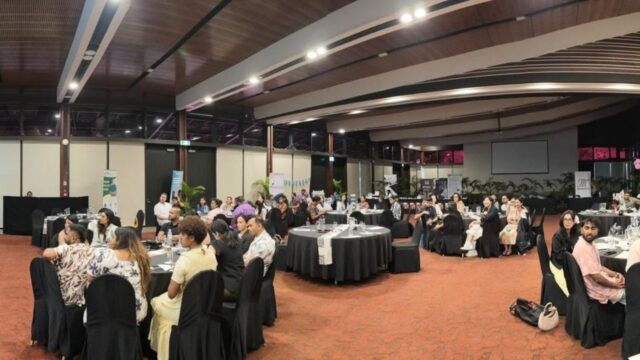
FWRM Executive Director Nalini Singh raised these concerns during public consultations on the Bill at the Suva Civic Centre today.
She also questioned whether the consultation timeframe gives women, people with disabilities and other marginalised groups enough time to examine the proposed changes and submit their views.
Singh says constitutional reform must be assessed by its impact on people whose rights are most at risk.
The FWRM wants any restriction on fundamental rights to be lawful, necessary, reasonable and proportionate, with the State required to justify its decisions before an independent court.
It is also calling for a review of immunity provisions that could shield people involved in unconstitutional acts from accountability. The submission seeks safeguards to protect corruption investigations and prosecutions from political interference and selective enforcement.
On governance, the FWRM wants clearer separation of powers between the executive, legislature and judiciary.
It also insists that the Republic of Fiji Military Forces remain under civilian authority, with no constitutional provision interpreted as allowing military interference in civilian government.
The submission calls for constitutional recognition of temporary special measures, including quotas to increase women’s representation in Parliament and other decision-making bodies. Singh says voluntary commitments have not been enough to overcome women’s historical exclusion from leadership.
The FWRM also wants non-government organisations and civil society groups to be able to bring constitutional cases on behalf of people who cannot pursue legal action themselves.
It says financial constraints, distance, limited legal knowledge and fear of further harm can prevent victims from seeking redress.