 Litia Cava
[file/photo]
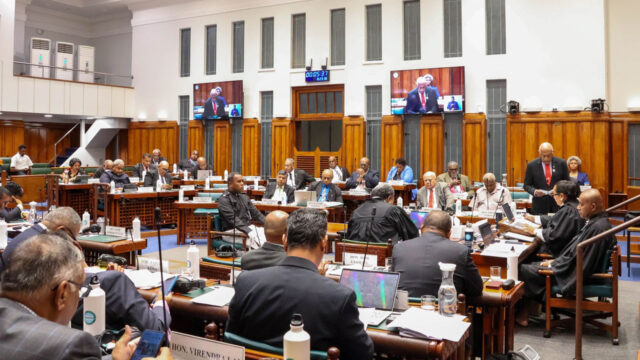
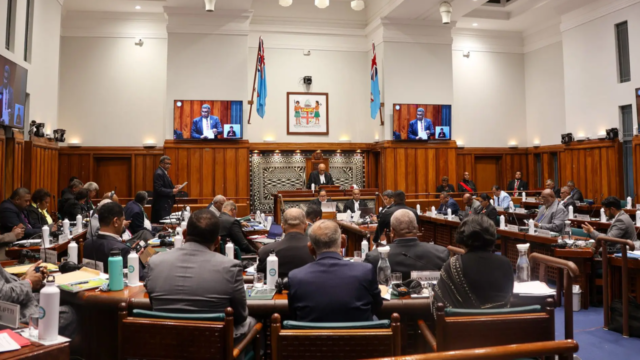
People convicted of serious electoral misconduct will now face a four-year ban on voter registration under the Electoral Registration of Voters Amendment Bill 2026.Parliament passed the Bill unanimously.
Bill No. 30 of 2026 amends the Electoral Registration of Voters Act 2012 and creates a new corrupt electoral practices list, linking serious electoral offences directly to a person’s eligibility to register as a voter.
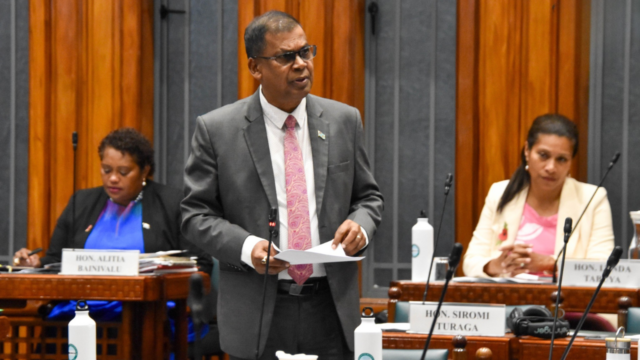
Acting Attorney-General Siromi Turaga explained that the legislation is designed to protect the integrity of the National Register of Voters and align voter registration laws with the wider electoral offences framework.
The key provision is new Section 19(G), which provides for a person to be placed on the corrupt electoral practices list if they are convicted of a corrupt electoral practice or found guilty through a court of disputed returns.
Once placed on the list, the person cannot be registered as a voter for four years. After four years, the person’s name must be removed from the list.
The restriction is therefore not a permanent loss of voting rights, but a defined consequence attached to serious electoral misconduct.
Turaga told Parliament that every eligible Fijian should have the right to vote but that right must be accompanied by responsibility.
He said there must be consequences for conduct that undermines the integrity of the democratic process, with the bill intended to strengthen accountability and public confidence in voter registration.
Assistant Minister to the Prime Minister’s Office Sakiusa Tubuna said the credibility of an election begins well before polling day, with a reliable voter register and electoral laws that are clear and consistently applied.
Government MP Alipate Tuicolo stressed that the new system is not based on political allegations.
He said a person cannot simply be placed on the corrupt electoral practices list because an opponent makes an accusation. There must first be a conviction or relevant legal finding.
Tuicolo said this distinction is critical because political allegations cannot replace a legal process.
He also raised the importance of notification, review mechanisms and safeguards against administrative errors, arguing that people affected by a registration decision must have a meaningful avenue to challenge a mistake. The four-year limit was another key safeguard.
Tuicolo said the bill does not create a permanent exclusion from electoral participation and provides a clear beginning and end to the consequence.
He also pointed to the need to address situations where a conviction or court finding is later overturned, saying the system must be capable of correcting any resulting registration consequences.
The bill also changes terminology relating to disability and voter registration.
Opposition MP Faiyaz Koya said the parliamentary committee considered submissions from disability organisations and the Fiji Women’s Rights Movement over the use of the term “unsound mind”.
The committee supported replacing that terminology with “persons with psychosocial disabilities”.
Koya said the change reflects terminology used internationally and preferred by people with psychosocial disabilities.
Opposition MP Jone Usamate also supported the change, saying it was important to use terminology that people within the affected group recognise and prefer.
But the debate also focused on the legal effect of the terminology.
Tuicolo said respectful language alone does not resolve questions about who may be excluded from voting.
He warned that disability should not become a shortcut to disenfranchisement and called for accessible registration, communication support and reasonable accommodation for eligible voters.
He also said personal information contained on the corrupt electoral practices list must be handled responsibly.
The bill also introduces definitions for corrupt electoral practice and illegal electoral practice, bringing the voter registration legislation into line with amendments to the Electoral Act 2014.
Tubuna said the laws governing voter registration, electoral conduct and electoral offences need to operate as a coherent framework rather than as separate systems.
He also raised a broader issue for future electoral reform, suggesting Fiji could examine ways of encouraging more eligible registered voters to participate on Election Day.
Tubuna referred to jurisdictions where voting is treated as a civic responsibility, while stressing that any future approach would need appropriate exemptions and must remain consistent with the Constitution and fundamental rights.
That proposal is not part of the four-year registration restriction created under this bill.In closing debate, Turaga acknowledged that some provisions may require further refinement.
He said no law is perfect and committed to further amendments in the next parliamentary session to address technical issues and ensure the terminology accurately reflects Parliament’s intention.
He described the bill as a balance between protecting electoral integrity and preserving the democratic rights of citizens.