 Josefa Sigavolavola
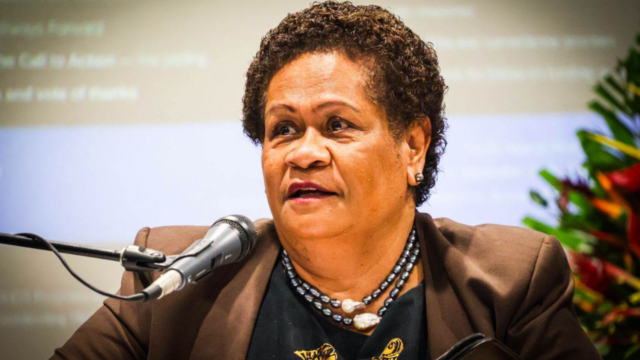
Commission chair Eci Naisele. [Photo: FILE]
The Higher Education Commission’s funding formula is drawing scrutiny after revelations that 97 percent of government grants go to universities, while only three percent is shared among non-university institutions.
This is raising questions about whether technical and vocational institutions are being sidelined despite their critical role in addressing Fiji’s skills shortage.
Commission chair Eci Naisele explained that the formula was designed to create fairness across all 54 registered higher education institutions in the country.
“It’s a subsidiary funding model that is classified or categorized into two categories, for universities and non-universities. When the formula was established, it was specifically for the universities.”
This year’s allocation dropped from $95 million to $74.5 million, leaving non-universities including technical colleges, hospitality schools, and Pacific Polytech with far smaller shares.
Polytech, which recently graduated the highest number of TVET students in Fiji, saw its grant reduced from $7 million to just $500,000.
The Commission insists the formula ensured equal treatment.
“It allows everybody to play on the same level playing field as per grant disbursement for the two sectors, the universities and the non-universities.”
However, critics argue that treating all institutions the same ignores the unique contributions of vocational providers, especially at a time when Fiji needs more skilled workers.
With Fiji producing fewer than half the 8,000 skilled graduates it requires annually, the funding imbalance raises a pressing question about whether or not the formula truly delivers equity or undermines the very institutions best placed to close our national skills gap.