 Praneeta Prakash
[Photo: FILE]
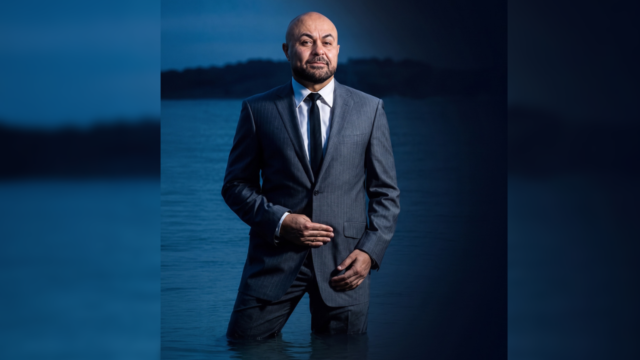
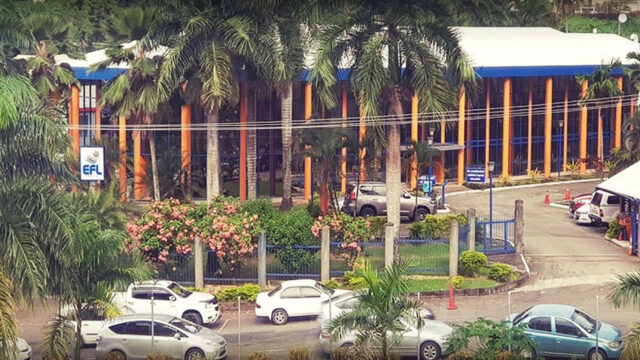
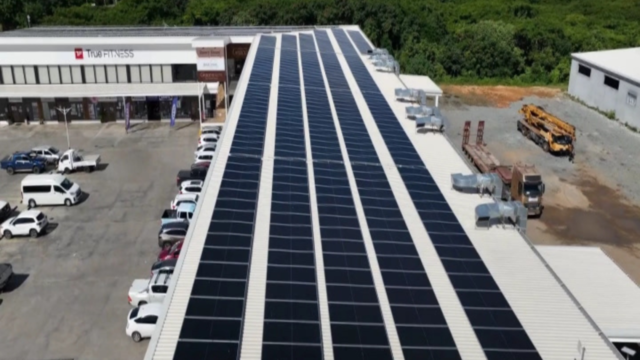
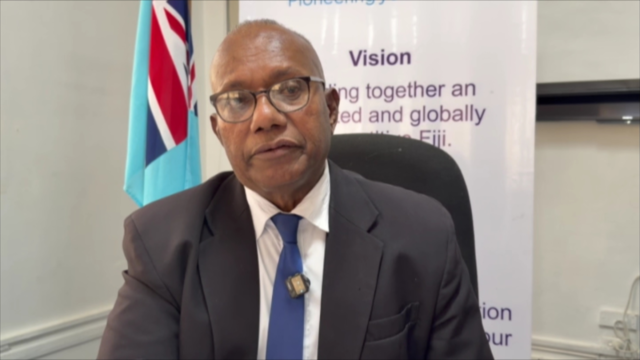
Energy Fiji Limited has defended its proposed tariff increase, saying additional revenue is needed to support a $2 billion renewable energy transition programme.
Chief Executive Fatiaki Gibson says they plan to increase renewable energy generation to 60 percent by 2029 and 90 percent by 2035.
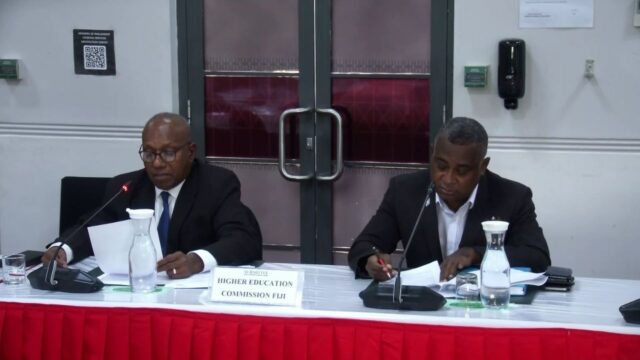
However, committee members questioned whether consumers should bear the cost of the transition.
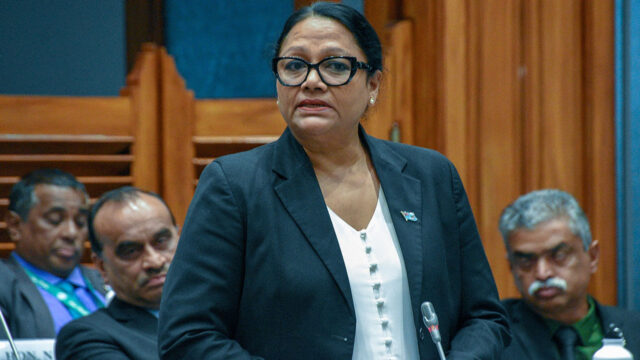
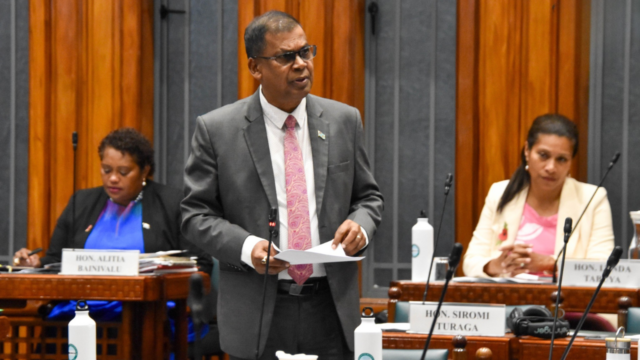
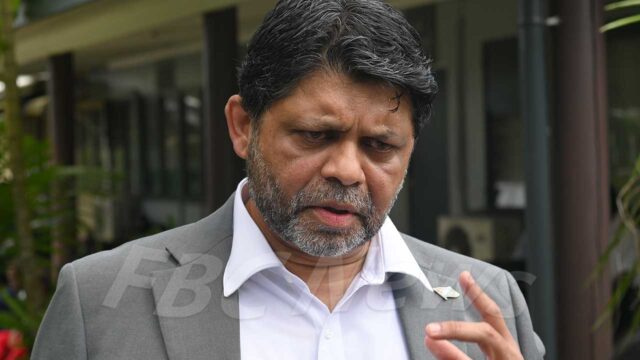
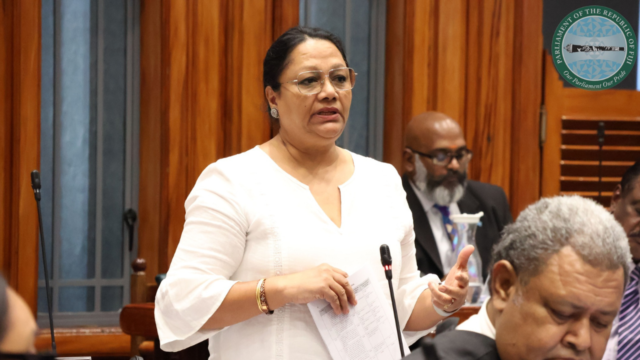
Committee member Premila Kumar challenged EFL’s reporting on renewable energy projects.
“When I look at all the renewable projects, if you read the 2023 report, you read the 2024 report, you can hardly find any difference. What you need to actually put down is your real KPIs for that particular year, with the budget, with the timeline and with the delivery.”
She also questioned whether EFL could justify a tariff increase while several approved capital projects had experienced delays.
“I think the reason why there is always a backlash whenever EFL goes asking for a tariff is that your reports are not clearly convincing the public that there is a need for a higher tariff. Because all your projects, if you read, it’s not clearly showing how you are progressing, what kind of budget is allocated, how you have used the money.”
EFL Chief Executive Fatiaki Gibson acknowledged the concerns.
“We as a nation must transition to renewable energy. And that is our mandate. Within the next 10 years, with the support of the government and the stakeholders, with a tariff that is basically to support the transition, we will deliver. We’ve recognized, I’ll be honest, the talk has to stop. The action has to start.”
Gibson says tariff support will enable EFL to secure funding from international lending institutions and accelerate projects needed to achieve Fiji’s renewable energy targets.