 Peceli Naviticoko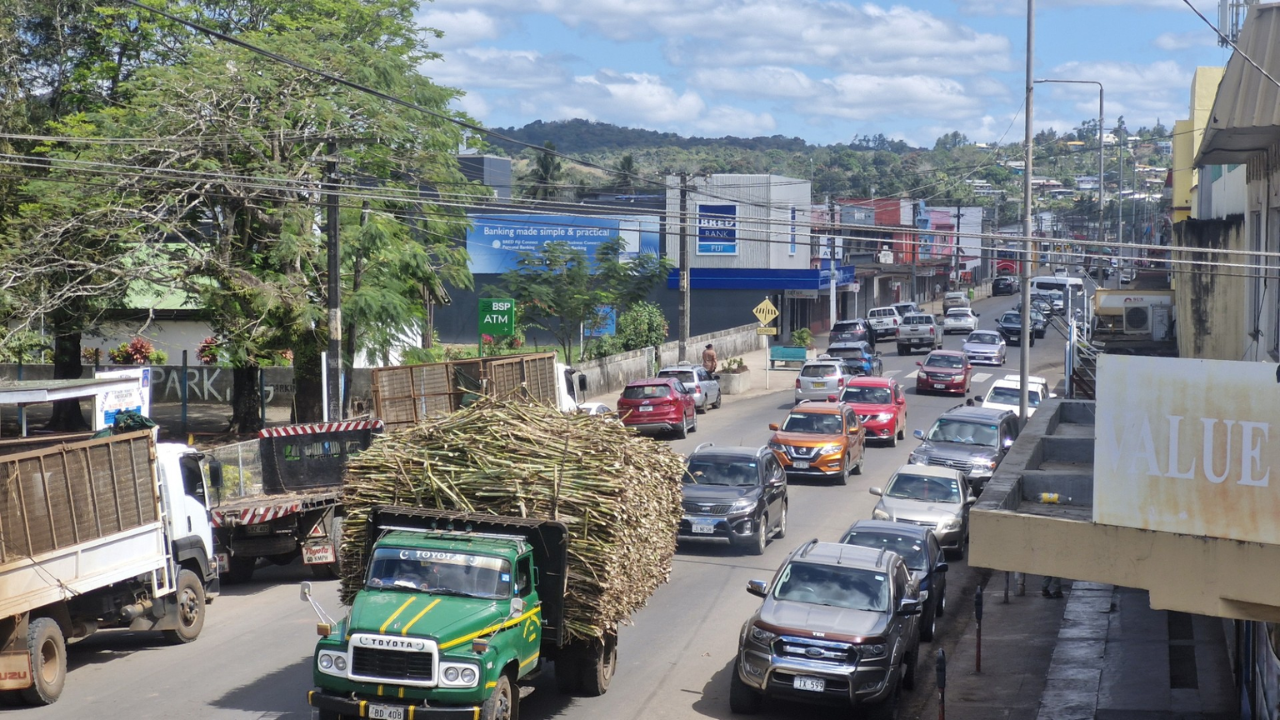
Labasa Town
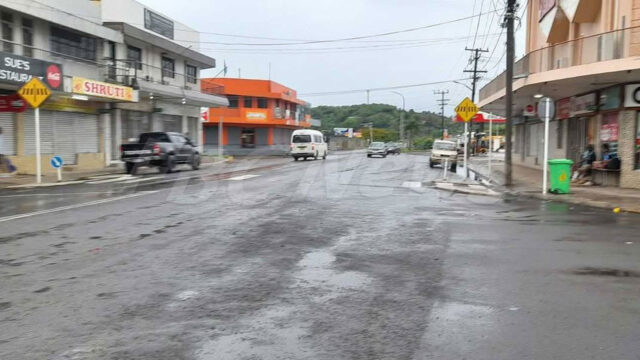
Businesses and residents in the Northern Division are expressing cautious optimism following the announcement of the 2026/2027 National Budget, saying many measures align with the government’s theme of a “Responsible Budget for a Sustainable Future.”
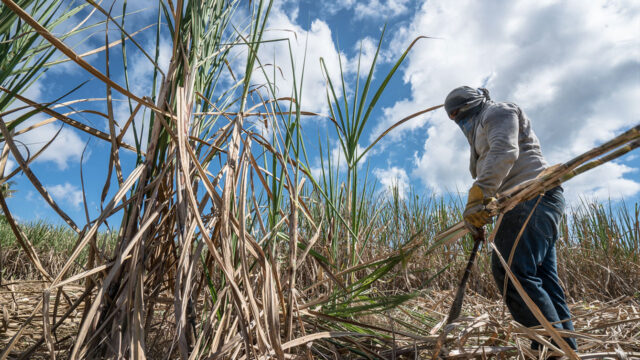
The budget’s focus on maintaining a stable tax environment, investing in infrastructure, and supporting key industries such as sugar has been welcomed by many in the North, who believe these initiatives could strengthen economic activity and create new opportunities.
However, many say the true test will be how quickly these commitments are implemented and whether they deliver tangible benefits for ordinary Fijians.
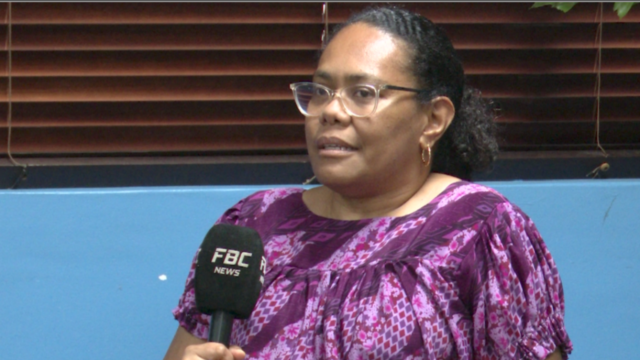
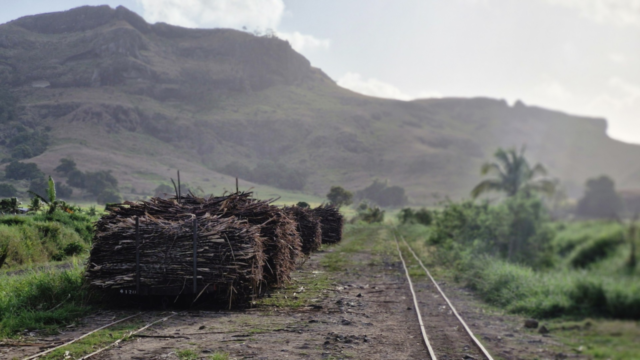
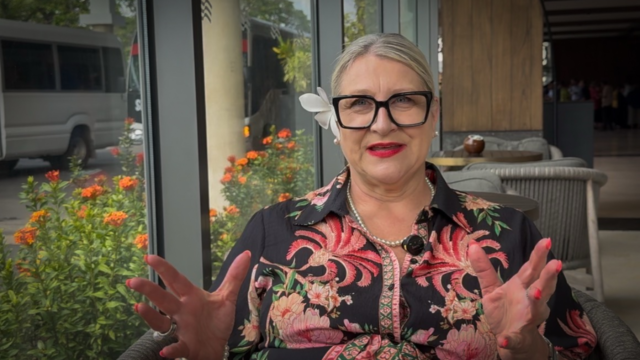
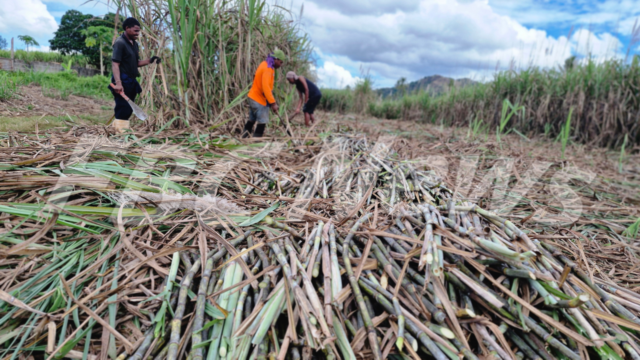
Labasa businesswoman Amelia Simmons says the planned start of crushing operations next week is encouraging, given the importance of the sugar industry to the Northern economy.
“In terms of the Northern Division, I’m very happy that the Labasa Mill is going to start next week. Before the budget was announced, we discussed how important it is because the sugar industry is the mainstay of the Northern Division, particularly Labasa. That is where we generate our income from.”
Simmons also describes the budget as responsible, saying the decision to maintain existing tax levels and increase the FNPF interest rate to 9.5 percent will benefit ordinary Fijians and boost confidence in the economy.
Meanwhile, the Labasa Chamber of Commerce has welcomed the budget, commending the government for presenting a disciplined financial plan amid global economic uncertainty.
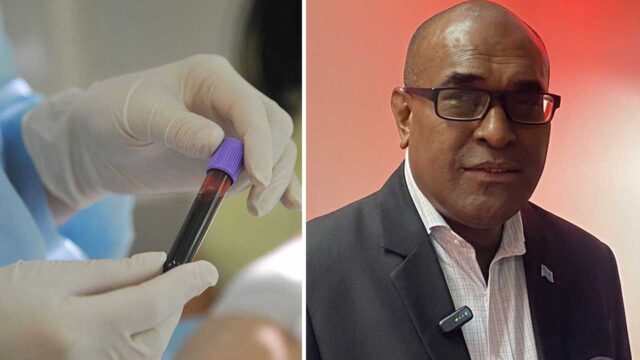
Chamber President Vinesh Dayal says prioritising infrastructure investment and placing the private sector at the centre of economic growth are positive steps that could strengthen investor confidence and support a sustainable economy.
He adds that businesses in the North are now looking forward to the timely implementation of key infrastructure projects and reforms aimed at improving productivity, reducing red tape, and lowering the cost of doing business.