 Litia Cava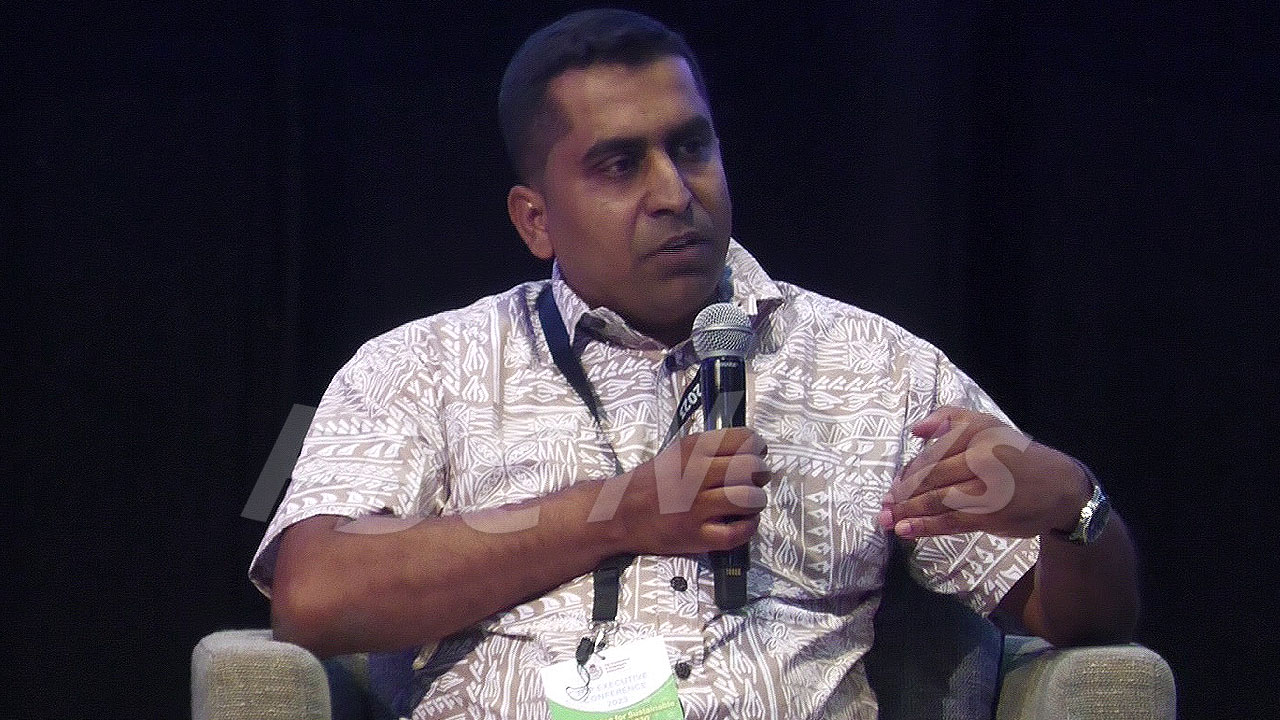
[Photo: File]
The Government has moved to tighten public spending in the 2026–2027 National Budget, cutting operational costs across ministries while maintaining core services and sustaining capital investment.
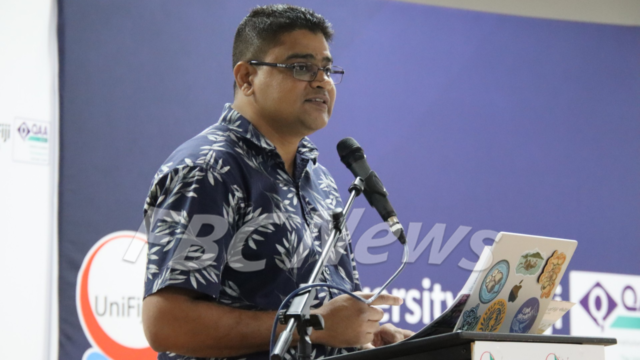
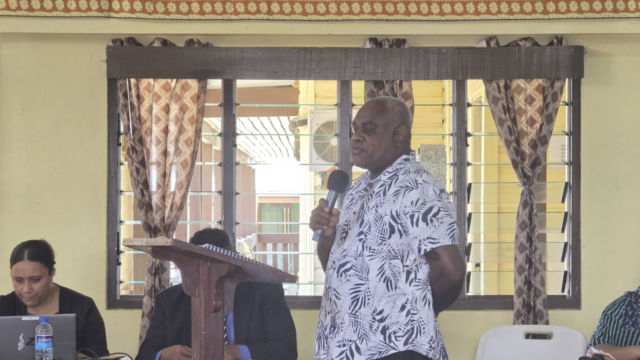
Permanent Secretary for Finance Shiri Goundar said the budget was prepared in a “complex and challenging” environment marked by revenue pressures and global uncertainty.
He said total expenditure has been maintained at around $4.8 billion, the same as last year, despite additional capital commitments.
“I think we’ll have a much better picture at the end of the financial year on whether the deficit remains at seven per cent or is much lower if conditions continue to improve. As we said, things are looking positive globally, with the peace agreement between the US and Iran and other developments. Based on the information we have, we’re expecting conditions to improve and the deficit to be much lower. Ultimately, we’ll only be borrowing to fund capital expenditure.”
Goundar confirmed a 10 per cent reduction in operational spending across government.
This includes travel, procurement, workshops, general administration, and vacant positions, which will not be filled unless they are considered essential. Grants to statutory bodies have also been reduced by 10 per cent.
Despite the cuts, he said key services remain protected. Civil service salaries will remain unchanged, while welfare payments, scholarships, school support, and subsidies introduced during the fuel crisis will continue.
Goundar said the Government is shifting its focus toward capital investment, with more than $200 million allocated for additional development spending. Around $2 billion has been earmarked over the next three to four years for infrastructure projects, including hospitals, bridges, and energy systems.
He said the deficit has been set at seven per cent of GDP, or about $1 billion, with borrowing projected at around $1.4 billion. Revenue has declined by approximately $200 million, which he said is the main reason for the higher deficit.
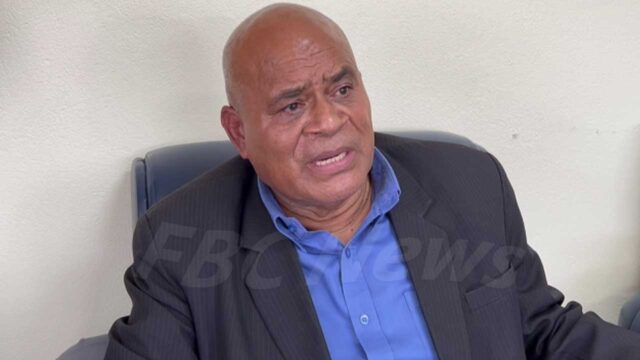
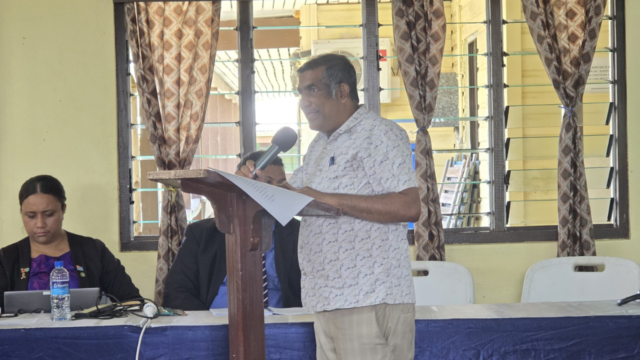
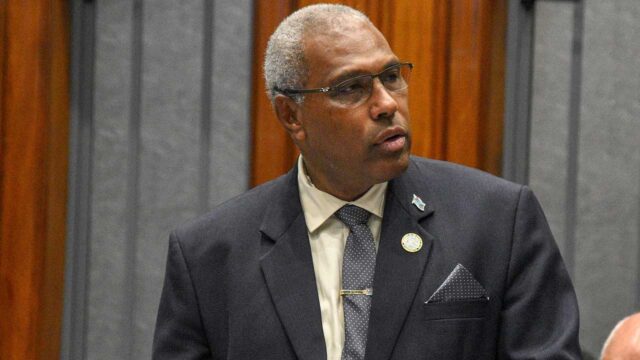
Following the Budget announcement, Finance Minister Esrom Immanuel said the Government is focused on stabilizing public finances while protecting essential services.
He confirmed the 10 per cent reduction in operational spending and a 50 per cent cut in funding for vacant positions. Recruitment will now be limited to essential and frontline roles, while grants to statutory bodies have also been reduced by about 10 per cent.
“The objective of the task force is to monitor prices and provide policy advice to the Government where we believe prices are being increased unreasonably.”
Immanuel said capital spending has been maintained to support economic growth and employment, with more than $50 million reallocated to urgent priorities, including fuel-related costs.
He said households earning $30,000 or less will continue to receive Government support, while cost-of-living measures such as bus fare subsidies, electricity assistance, and fuel concessions will remain in place. However, the temporary welfare top-up will end in July.
The Minister added that no broad-based tax increases have been introduced, although targeted incentives will continue for selected sectors.
A Cabinet committee has also been established to fast-track the delivery of major infrastructure projects.
He said the Budget reflects a two-pronged approach: tightening Government spending now while maintaining investment to support long-term economic growth.