 Ritika Pratap
The 2026-2027 National Budget outlines several measures to address cost-of-living challenges and support households during the fuel crisis.
Finance Minister Esrom Immanuel says, despite significant fiscal pressures, there will be no reduction in civil service salaries.
Around 42,000 public servants directly support more than 200,000 livelihoods across Fiji.
The Budget contains no increase in income taxes for workers and no corporate tax hikes for businesses.

Immanuel states the VAT rate will be maintained at 12.5 percent, continuing the zero-rating on 22 essential items, which delivers approximately $500 million in total relief annually.
Zero-rated essentials include flour, rice, sugar, canned fish, cooking oil, potatoes, onions, garlic, baby milk, powdered milk, liquid milk, dhal, tea, salt, soap, washing powder, toilet paper, sanitary pads, toothpaste, kerosene, cooking gas, and prescribed medicines.
The $200 Back-to-School Assistance programme continues with a $40 million allocation to be paid in January next year.
Social welfare, pension, and aftercare programmes receive over $200 million to support approximately 130,000 Fijians.
The government will fully absorb the recent 22.5 percent bus fare increase approved by the FCCC, allocating $20 million next financial year to protect 350,000 daily commuters. Additional transport vouchers continue for Rural Service Licence and boat operators transporting students.

To offset rising electricity generation costs, the FCCC implemented a monthly-reviewed fuel surcharge of 5.91 cents per kilowatt hour. The government will fully absorb this surcharge for subsidised electricity users with annual household incomes below $30,000 for $13.5 million.
Free water provision also continues for households earning $30,000 and below.
Existing social support programmes remain, including free education, free student bus fares, free medicine, subsidised dialysis, first-home buyer grants, free legal services, and full tertiary scholarships.
Over $650 million in tertiary student debt has been written off for 53,000 students.
The minimum wage has been increased to $5 per hour and 10 Wages Councils were restored to ensure fair wage determination, with a further review planned in this Budget. For FNPF pensioners, pre-2012 pension rates are restored for $4 million per year.
Sugarcane farmers will receive a guaranteed cane price of $85 per tonne, backed by a $41 million allocation.
This follows a record-high price of $105 per tonne delivered last season. A recent $5 million fuel subsidy was also provided to reduce harvesting and cartage costs for the 2026 crushing season.
Higher prices are also maintained for other agricultural produce to support rural incomes.
Long-standing tariff protections for domestic manufacturers are being systematically reviewed and reduced for the benefit of consumers.
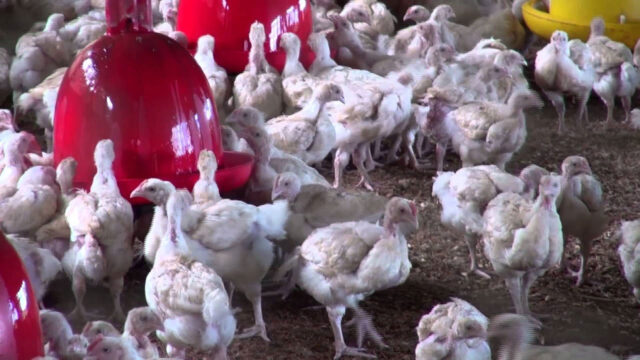
Tariff protection on chicken portions and offal was reduced from 42 percent to 15 percent, while fiscal duty on frozen fish was cut to zero percent.
Duties on fruits and vegetables like tomatoes, cabbage, lettuce, cucumber, eggplant, pumpkin, banana, avocados, mandarins, watermelons, and pawpaw remain at 5 percent. Non-local produce, including apples, carrots, grapes, oranges, pears, celery, capsicums, mushrooms, kiwifruit, cauliflower, broccoli, and nuts, attracts zero duty. Everyday items like potatoes, garlic, onions, tea, cooking oil, and lamb products remain at zero duty.
Duty on beef, ducks, corned mutton, corned beef, and canned mackerel stays at 15 percent, down from 32 percent.
The government will maintain a reduced 5 percent duty on dairy products, including liquid milk, powdered milk, yoghurt, cheese, and butter, replacing a previous 32 percent exclusive tariff arrangement.