 Litia Cava
[Photo: FILE]
High public debt and limited fiscal space are shaping today’s 2026–2027 National Budget, as the government looks to balance cost-of-living support with increasing spending pressures.
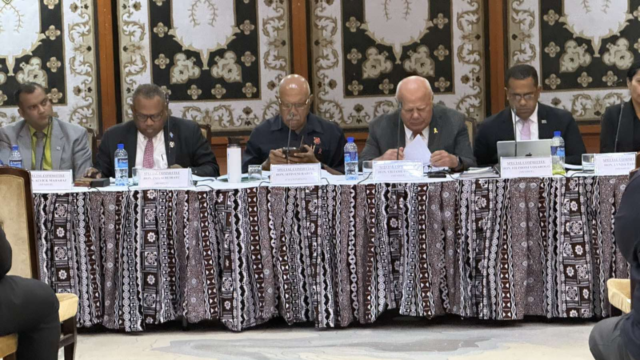
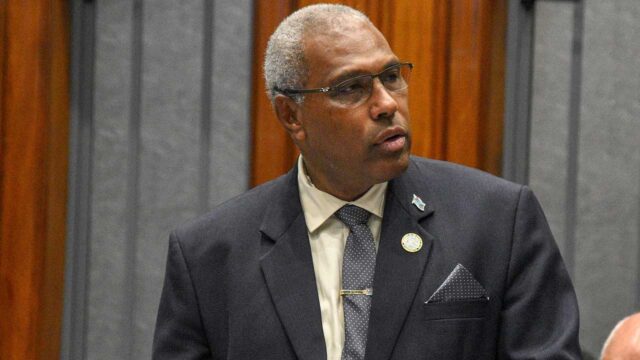
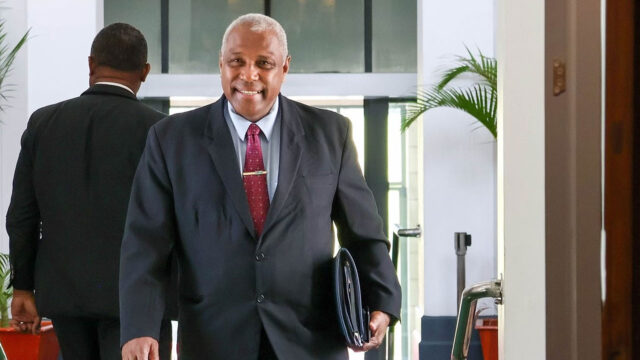
Finance Minister Esrom Immanuel is presenting the budget this morning, with households facing rising food, transport, and utility costs, while businesses seek greater policy certainty.
The fiscal environment remains challenging, with public debt above ten billion dollars and debt repayments taking up a significant share of government spending.
Last year’s budget included a reduction in Value Added Tax from 15 percent to 12.5 percent, along with continued zero-rating on selected essential goods.
While the measures provided some relief for households, they also reduced government revenue.
Education, health, infrastructure, and debt servicing received some of the largest allocations last year and are expected to remain key priorities, alongside demands for improved transport, water services, and social support.
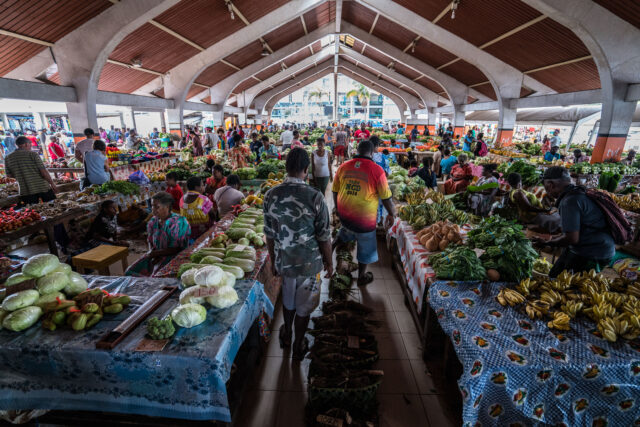
Attention will be on whether the government announces further cost-of-living measures, particularly for food prices, transport costs, and vulnerable households.
However, any additional subsidies or tax concessions could place further pressure on the government’s finances.
The business community is also watching for announcements on taxation, import duties, and fuel pricing, with any changes likely to have a direct impact on consumers and businesses.
Security spending is expected to receive attention, with concerns over illicit drugs driving calls for stronger enforcement, prevention, and rehabilitation efforts.
Support for agriculture and the sugar industry is also expected to remain a focus, particularly in strengthening rural livelihoods and food security.
Employment creation remains a priority, with analysts expecting growth to come mainly through infrastructure investment and private sector activity.
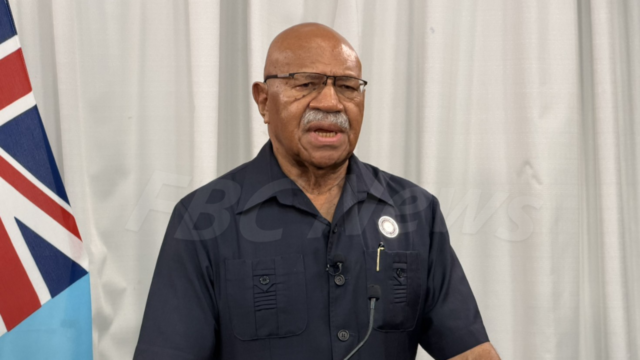
Former Reserve Bank of Fiji Governor and Unity Fiji Party Leader Savenaca Narube says the budget could be influenced by election considerations rather than long-term economic priorities.
“But what I predict they will do is an election budget, of course, the cost of elections, and so forth. So the budget deficit will still blow up to around five or six percent of GDP, way above what it should be. And I think they would go for more political handouts. That’s always the case, because elections are in this budget. So I would expect that a lot of handouts would be in this budget.”
Narube says Fiji needs to reduce its fiscal deficit, control unnecessary spending, and focus investment on essential services to prevent further debt accumulation.
He says while cost-of-living pressures remain a major concern, current measures have not fully addressed affordability challenges.
Narube says options such as price controls and exchange rate adjustments could be considered, but these have not been adopted.
As the budget is announced, the key challenge for the government will be balancing immediate relief for households with the need to maintain long-term fiscal stability.