 Nikhil Aiyush Kumar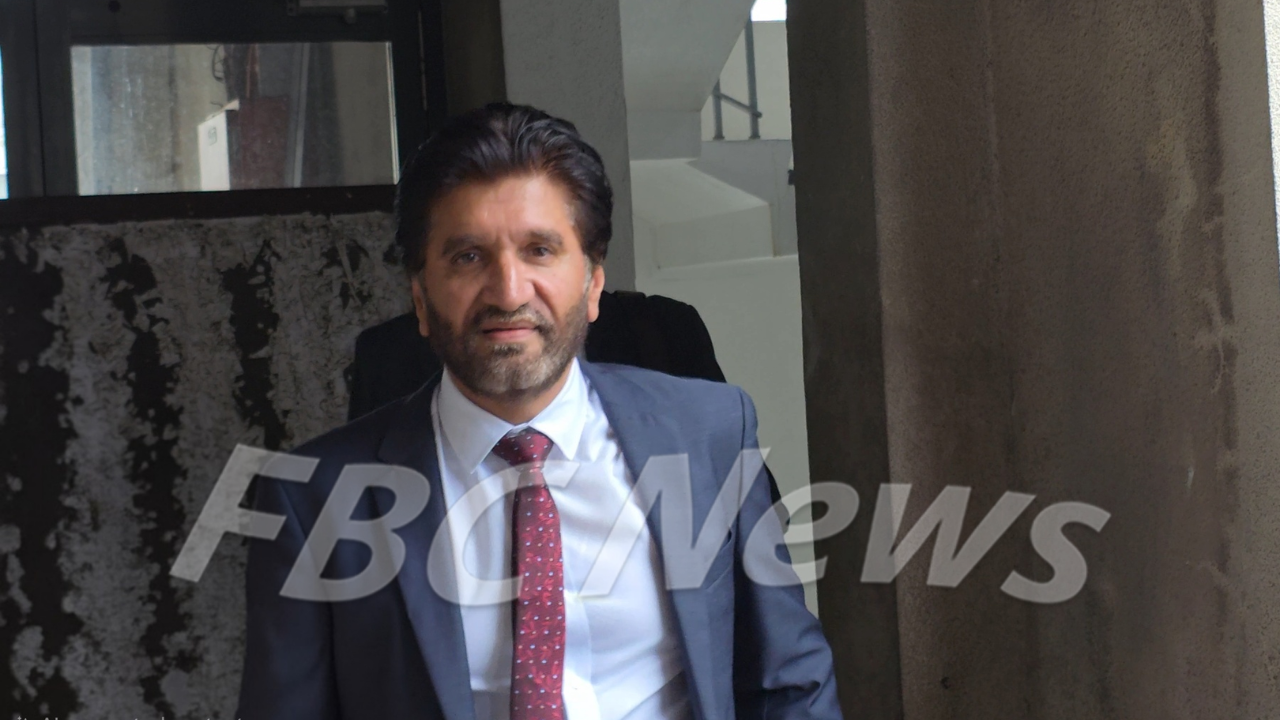
[Photo: FILE]
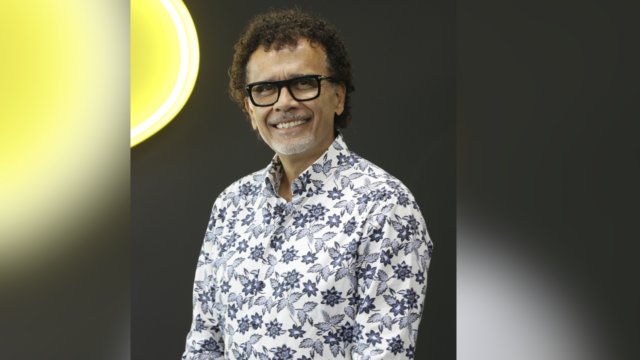
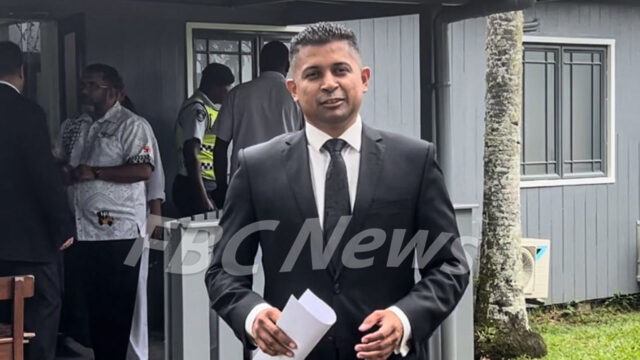
Defence counsel Devanesh Sharma has urged the court to dismiss the abuse of office case against Sanjay Kaba, arguing prosecutors failed to provide evidence linking him to any improper conduct involving a Telecom Fiji Limited EOI process.
Kaba faces one count of obtaining a financial.
In the amended particulars of the charge, prosecutors allege that between January 27, 2017, and January 20, 2019, while serving as a board member of Telecom Fiji Limited and Amalgamated Telecom Holdings Limited, Kaba used information and influence obtained through his position to procure the submission of a tender through HLK Jacob Pte Limited, a company in which he was a director and shareholder.
The prosecution alleges HLK Jacob later obtained a financial advantage from TFL amounting to $766,327.22 between June 2022 and July 2023 for project management services relating to TFL’s new office and data centre project, while Kaba allegedly knew or believed the company was not eligible to receive the payments.
In oral submissions, Sharma said there was no evidence that Kaba used privileged information obtained during his tenure as a TFL director to benefit HLK Jacob.
The defence submitted that the expression of interest process was publicly advertised after Kaba had resigned from the TFL board and that the company’s internal evaluation, tendering, and payment approvals were independently conducted by multiple committees and executives over several years.
According to Sharma, the prosecution failed to establish what specific confidential information Kaba allegedly used or how HLK Jacob was supposedly ineligible to receive the contract.
He said witnesses repeatedly confirmed they were not influenced by Kaba and independently assessed HLK Jacob’s submissions.
Sharma also argued that TFL’s own constitution permitted directors and their companies to enter into contracts with the company, provided the relationship was disclosed.
The defence further criticised the prosecution for twice amending the charge during proceedings, including once after all prosecution witnesses had testified.
Sharma described the case as a moving target, saying prosecutors had shifted from allegations involving tender manipulation to claims concerning the misuse of confidential information related to an EOI process.
He argued that the final amended charge was inconsistent with the timeline of events, as the EOI was advertised 10 days after Kaba resigned from the TFL board.
The defence also alleged serious procedural weaknesses, accusing prosecutors from the Fiji Independent Commission Against Corruption of relying on speculation rather than evidence.
Sharma claimed the prosecution had failed to prove key elements of the offence, including causation, ineligibility, and knowledge or belief of wrongdoing.
In response, FICAC counsel argued that testimonial and documentary evidence established that Kaba attended board meetings where confidential discussions took place concerning infrastructure deficiencies, audit findings, and plans for TFL’s head office and data centre project.
Prosecutors argued that board papers, minutes, and agendas were circulated to all directors, including Kaba, regardless of whether they attended meetings, and that no complaint was ever raised by Kaba about not receiving the documents.
The prosecution maintained that Kaba possessed insider information through his positions on the boards of ATH and TFL and later used that knowledge to benefit HLK Jacob during the EOI process.
The prosecution defended the amendments made to the charge, arguing the substance of the allegations had remained consistent throughout proceedings and that the defence had always understood the case against Kaba.
The prosecution said any discrepancies relating to dates were not material and did not prejudice the accused.
In closing, the defence argued the prosecution amounted to a malicious case that had caused significant reputational and financial harm to Kaba.
Magistrate Charles Ratakele is expected to rule on the no-case-to-answer application on the 19th of next month.