 Riya Mala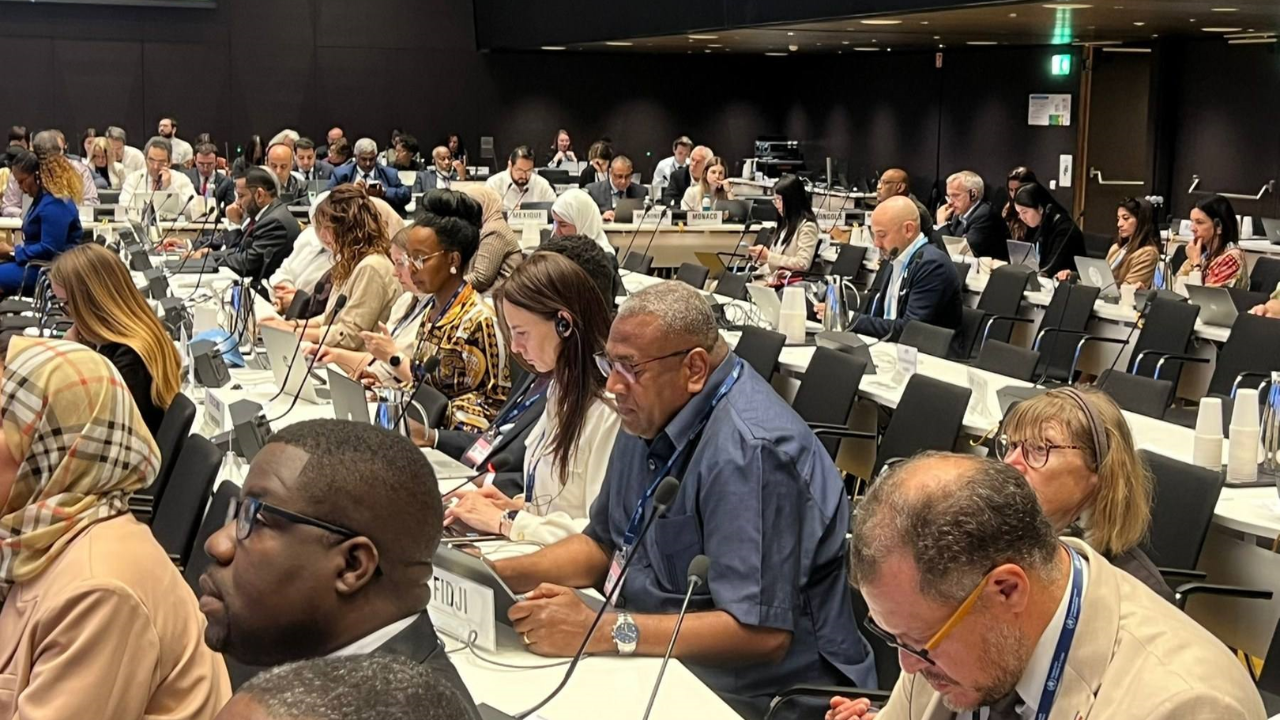
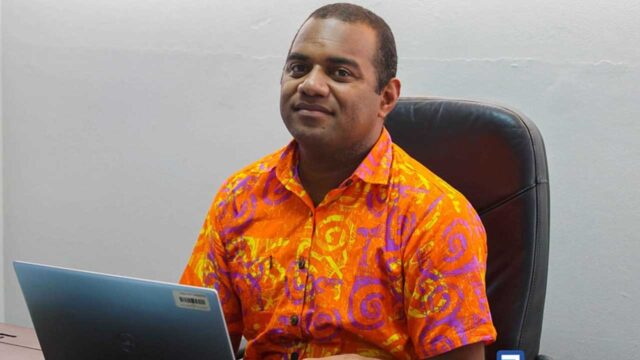
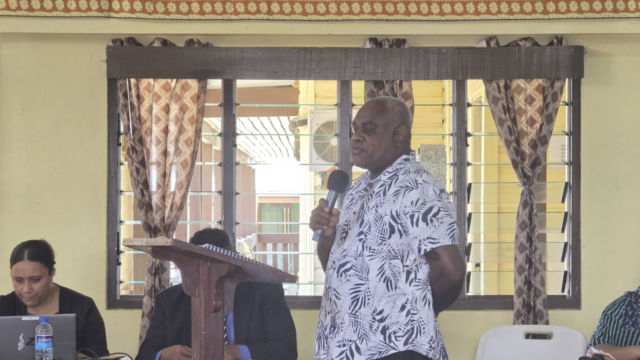
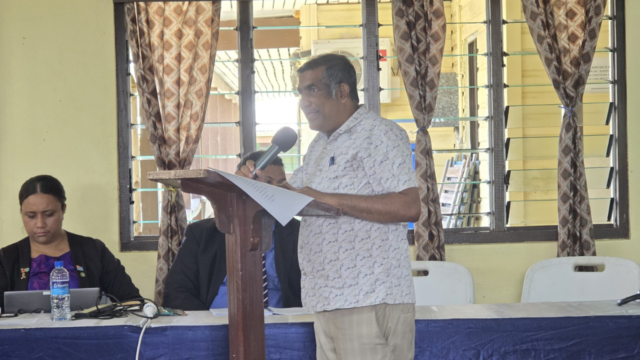
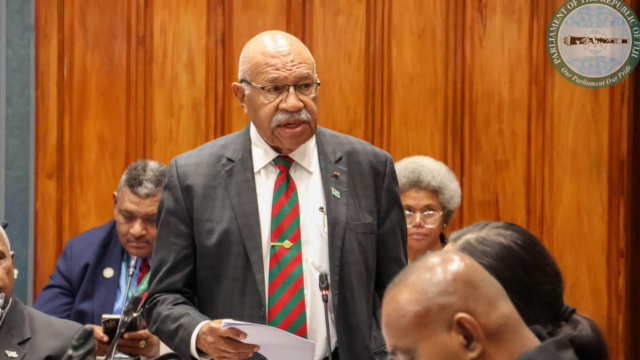
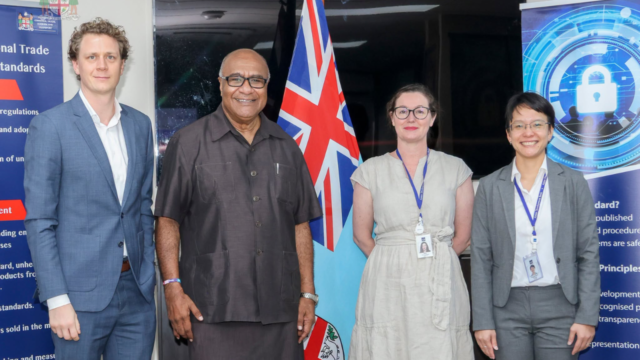
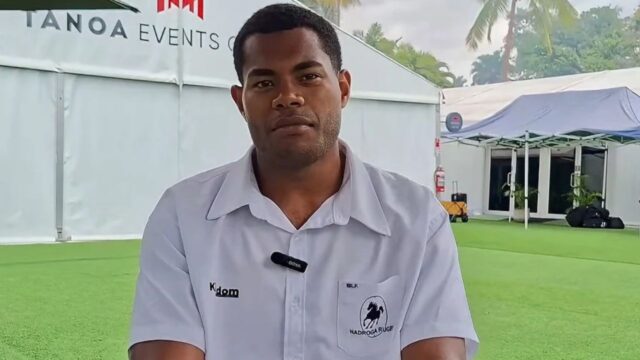
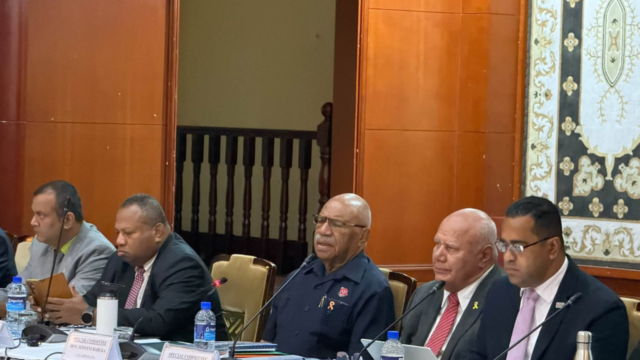
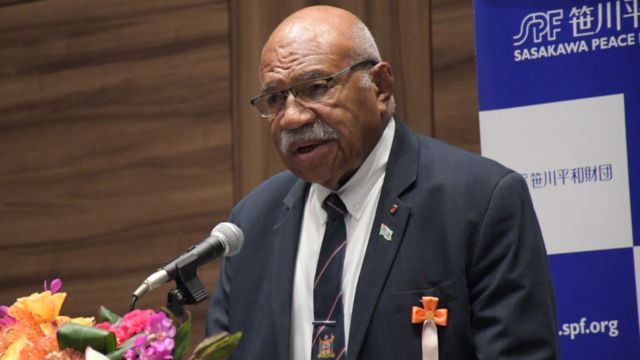
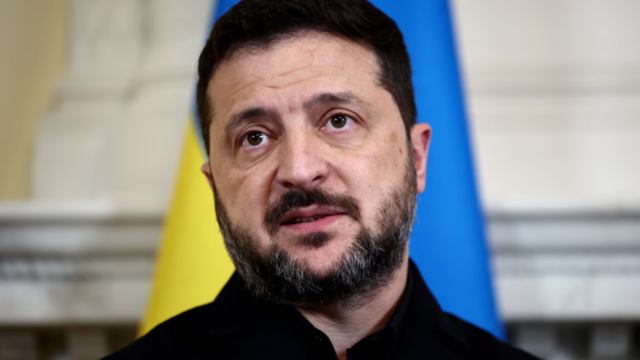
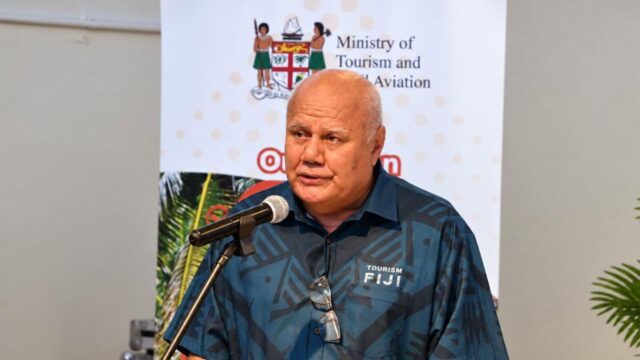
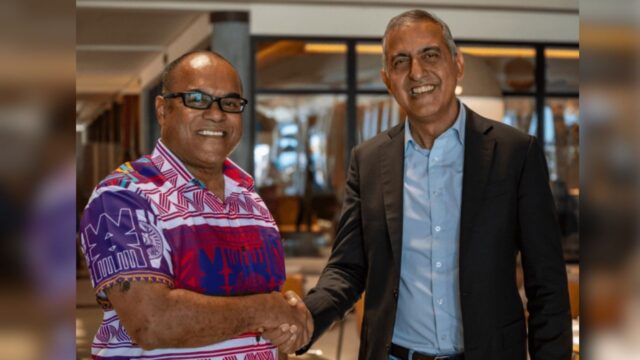
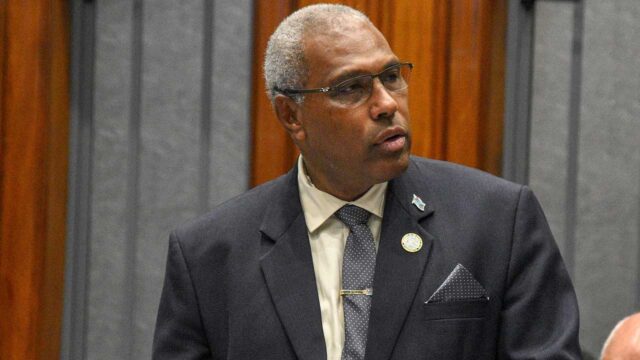
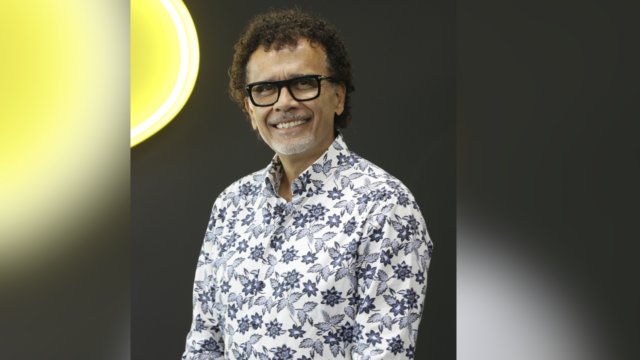
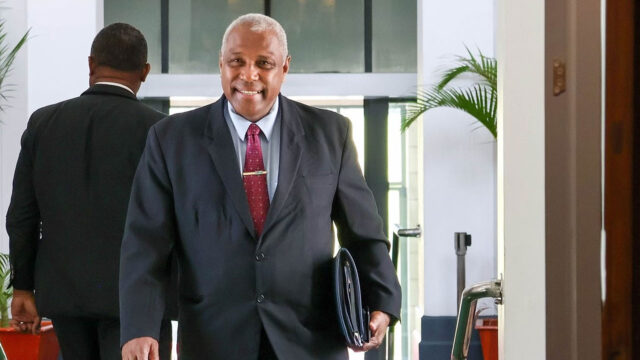
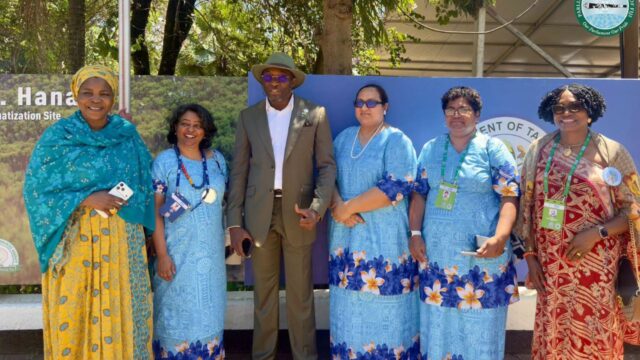
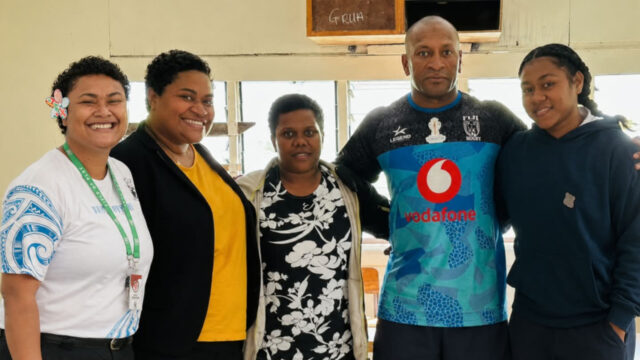
Assistant Health Minister Penioni Ravunawa in Geneva. [Photo: SUPPLIED]
Assistant Health Minister Penioni Ravunawa says indigenous knowledge systems are living sciences of prevention, healing, and resilience rather than relics of the past.
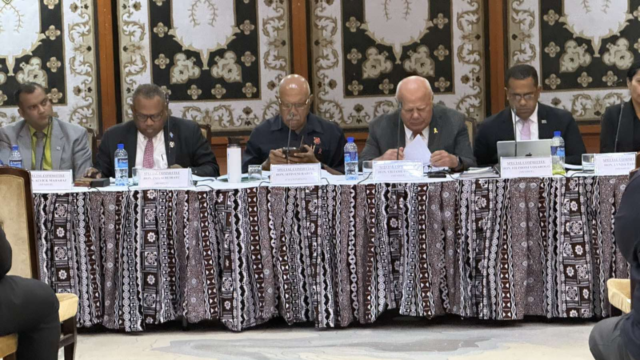
Speaking at the 79th Session of the World Health Assembly in Geneva, Switzerland, Ravunawa emphasized that health is inseparable from Pacific cultures, languages, spirituality, ancestral lands, and oceans.
He noted that health is woven through collective well-being and a deep connection to the environment across the Blue Pacific Continent.
However, the Pacific carries one of the world’s highest burdens of non-communicable diseases, which account for more than 75 percent of deaths in the region.
Ravunawa stated that climate change, geographic isolation, workforce shortages, and unequal healthcare access disproportionately affect remote communities, women, and children.
Despite these challenges, he praised the resilience of indigenous communities, noting that traditional leaders, women’s groups, youth networks, and community health workers remain the backbone of local prevention, nutrition, mental well-being, and disaster response.
He added that the COVID-19 pandemic reaffirmed the value of integrating traditional knowledge with modern public health measures to strengthen community care and social cohesion.
Fiji reaffirmed the right of Indigenous peoples to protect and practice traditional medicine, in line with Article 24 of the United Nations Declaration on the Rights of Indigenous Peoples.
Ravunawa called for increased investment in scientific research and documentation of traditional knowledge through ethical partnerships that uphold Indigenous data sovereignty and community ownership.