 Litia Cava
The Fijian Competition and Consumer Commission has been urged to strengthen monitoring of fuel prices and collect detailed baseline data.
Transparency, according to Asia-Pacific Regulatory Centre Senior Advisor Joel Abraham must also be ensured as escalating tensions in the Middle East threaten to push petrol and diesel prices higher in Fiji.
He explained that the country faces a price shock, not a supply disruption with increases likely to hit consumers two months after current global oil price movements.
“But because there is an anticipation that there is going to be geopolitical risk and more of this risk, that is causing the prices to escalate in the global market and the prices are jumping. So, we are hoping that adequate measures will be undertaken and we stand ready to support both the FCCC and the government should they require.”
Abraham explained that the ripple effects of rising fuel costs will extend well beyond petrol stations. Electricity generation, where nearly half of Fiji’s output comes from diesel-powered generators could see higher operating costs, putting pressure on EFL tariffs.
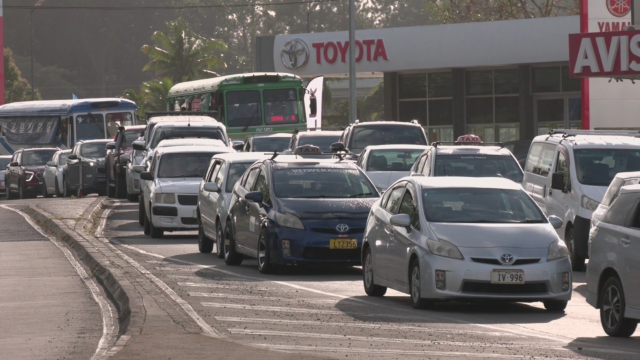
Transportation and logistics sectors, including buses, shipping and aviation are also expected to face significant increases which will translate into higher costs for tourism operators and goods distribution.
The retail and food sectors are projected to absorb and partially pass on these costs, impacting supermarkets, local food producers and inter-island shipping companies.
Rural and maritime communities could be disproportionately affected due to higher freight and transport costs, compounding the impact on household expenses.
Abraham stressed that while Fiji’s strategic fuel reserves are sufficient to prevent shortages, the main risk is the escalation of prices at the pump.
Consumers are advised maintain regular spending patterns to support local businesses, particularly women-led SMEs and indigenous enterprises, helping buffer the economy against sudden shocks.
Abraham states that Fiji’s resilience to global market volatility would depend on proactive policy, robust market monitoring and early intervention to manage both pricing and secondary economic impacts.