 Reuters
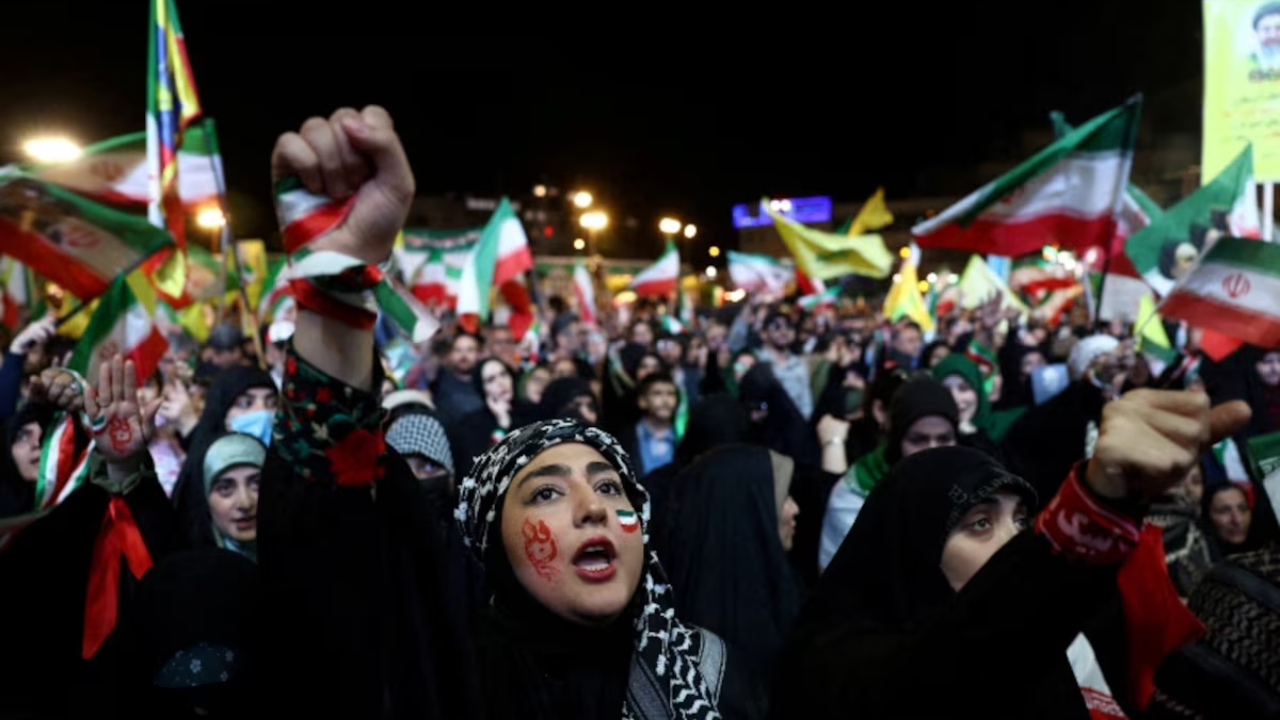
[Source: Reuters]
During his first year back in office, U.S. President Donald Trump’s blustery negotiating style won him concessions from countries on issues ranging from tariffs to armed conflict.
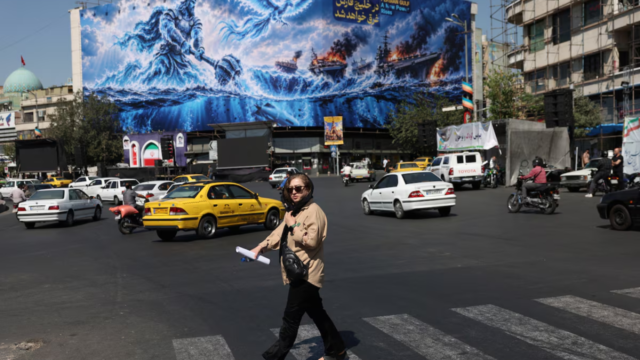
But with Iran, that same brand of coercive diplomacy, marked by public threats, insults, and ultimatums, seems to have hit a wall and may be undermining his own efforts to end a war that has shaken the global economy.
With the two sides deadlocked, Trump has signaled growing frustration over the 11-week-old crisis but has shown little inclination to soften his harsh diplomatic approach toward Iran’s leaders.
That does not bode well for a quick negotiated settlement, fueling fears that the current standoff – and its unprecedented shock to world energy supplies – could drag on indefinitely with periodic bouts of brinkmanship.
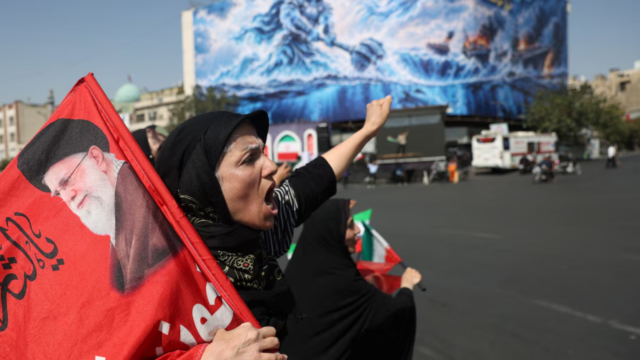
Among the main obstacles, analysts say, is the Iranian rulers’ mindset, including their need to save face with their own domestic audience, despite U.S.-Israeli strikes having killed many top leaders and heavily degraded the Islamic Republic’s military capabilities.
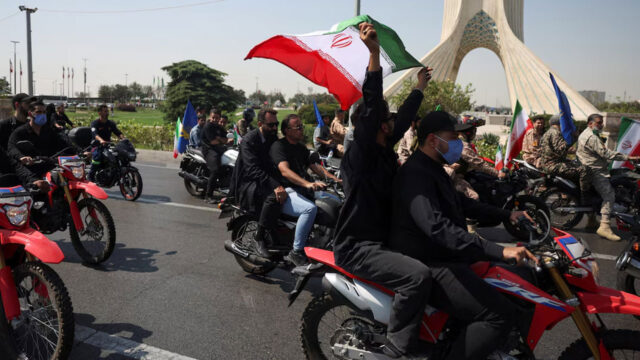
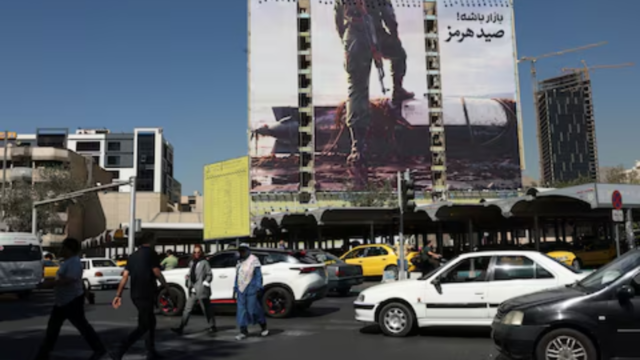
Though Iran has essentially maintained a chokehold on the vital Strait of Hormuz, giving it considerable leverage, Trump has persisted with a diplomatic playbook characterized by maximalist demands, unpredictability, mixed signals, and scathing language.
Even more significant, analysts say, is Trump’s insistence on emerging from the conflict framing it as an absolute victory for the U.S. – even if this doesn’t match the reality on the ground – while the Iranians must accept total defeat, which they are not likely to do.
“That inevitably gets in the way of reaching a reasonable deal because no government, not just Iran’s, can afford to be viewed as having capitulated,” said Rob Malley, a former Iran negotiator in the Obama and Biden administrations.
The continuing impasse with Iran comes as Trump faces domestic pressure over high U.S. gasoline prices and his own low approval ratings after he embarked on an unpopular war ahead of November’s midterm elections. His Republican Party is struggling to maintain control of Congress.
White House spokeswoman Olivia Wales defended Trump’s diplomatic approach based on what she said was a “proven track record of achieving good deals” and insisted that the Iranians were showing increasing “desperation” for an agreement.
“President Trump is a master negotiator who always sets the right tone,” she said.