 Praneeta Prakash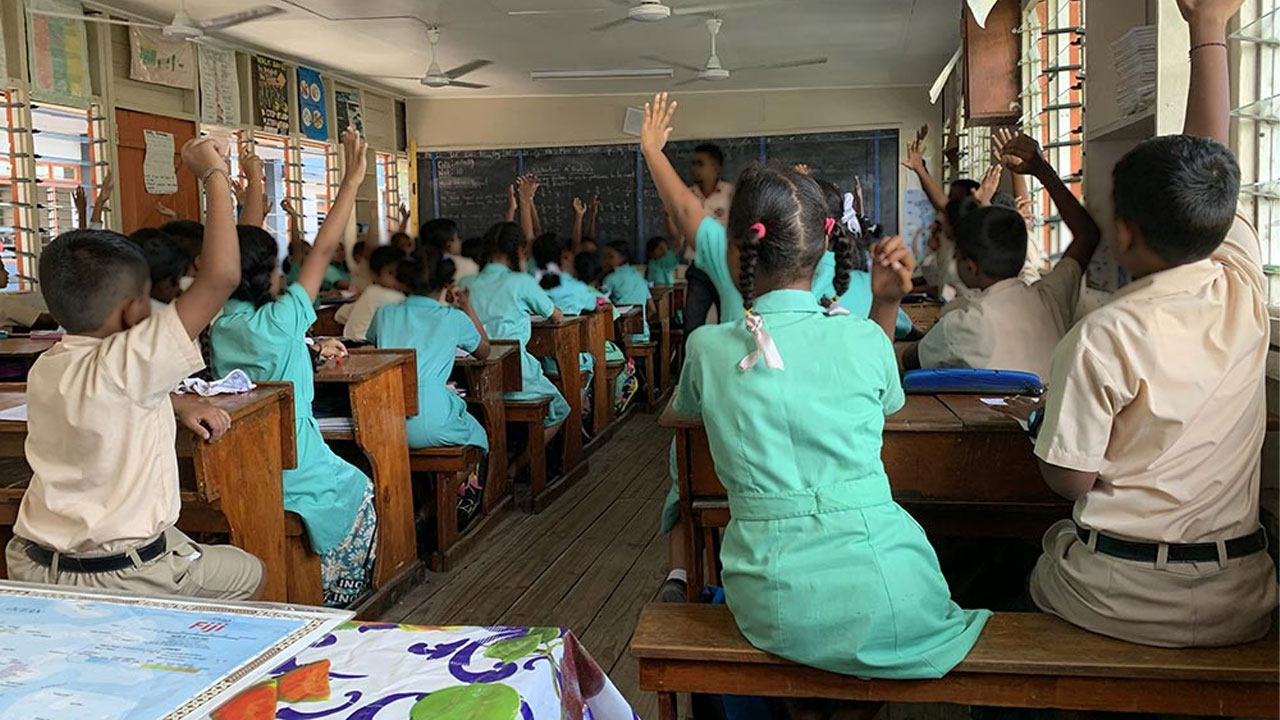
[Photo: FILE]
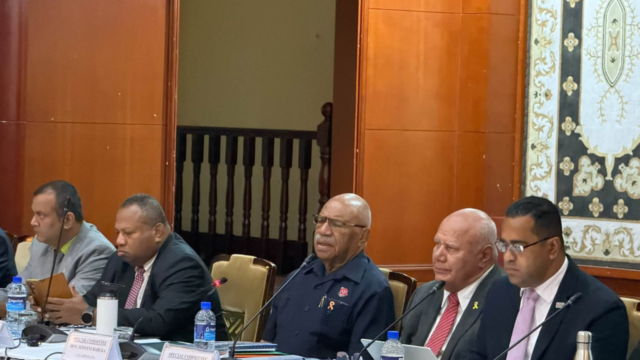
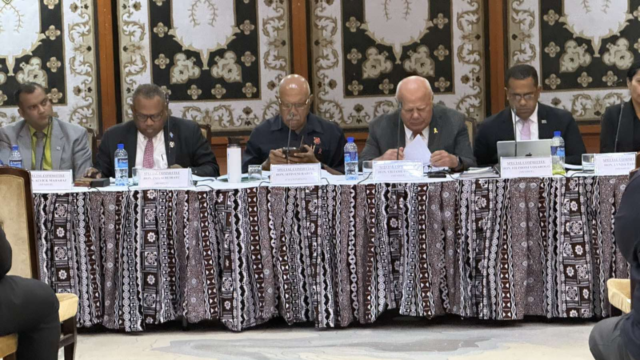
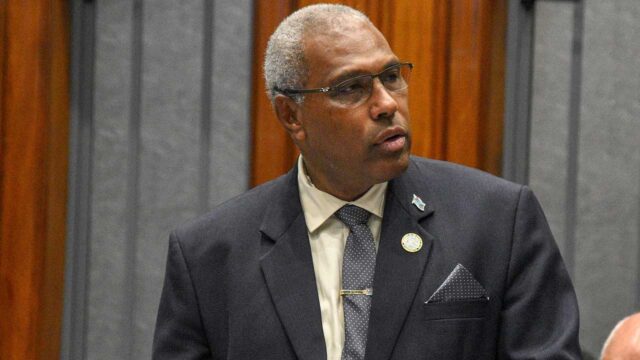
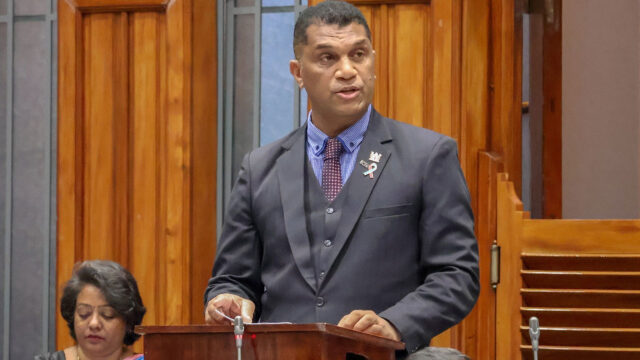
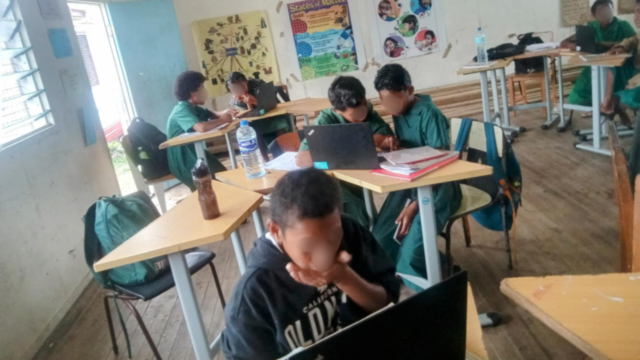
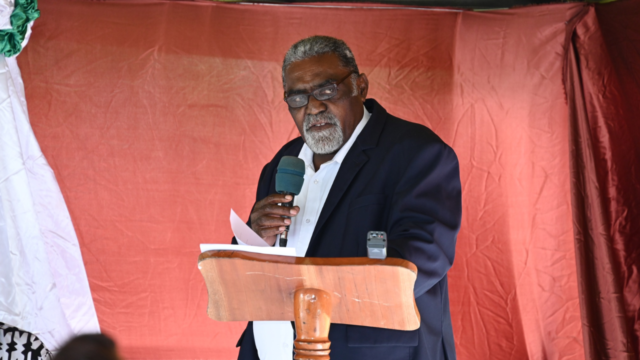
School levies will not be used to block student enrolment under the new Education Bill 2025, says Education Minister Aseri Radrodro.
He clarified concerns that allowing schools to impose levies could place financial pressure on parents and open the door to possible abuse by some school managements.
However, Radrodro stressed that any school wishing to impose a levy must first obtain approval from the Permanent Secretary for Education.
Thus, Opposition MP Premila Kumar reiterated that children from low-income families should not be burdened with school levies.
“Children who come from low-income homes should be exempt from paying school levies. Teachers should not be forcing them to pay school levies.”
Radrodro said unpaid levies would not prevent students from attending school.
“The issue is that schools, despite the free education grant, some of them are collecting levies even though they have to get prior approval from the Permanent Secretary. So, the Act reflects those situations by requiring that every school that needs to impose a levy be subject to approval from the Permanent Secretary. But on the other hand, it is not, like I’ve always said, a criterion or condition for enrolment.”
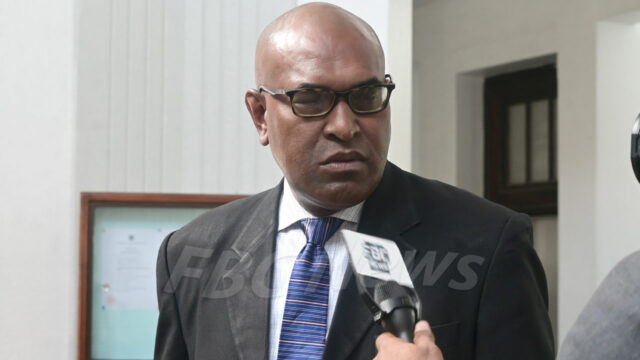
Fiji Teachers Union General Secretary Muniappa Goundar said the bill was a historic step forward, but its success would depend on proper implementation.
“The Union welcomes the government’s intention to modernise education, strengthen accessibility, improve accountability, and recognise emerging areas.”
Meanwhile, the Fijian Teachers Association says it hopes the reforms will achieve their intended purpose over time.
“That’s something to be tested over the years. Everything needs to go through processes and changes. But hopefully, yes, we all hope that it will achieve its purposes in the not-too-distant future.”
The Minister adds that the Ministry is already working on the implementation of the new legislation in consultation with the Office of the Attorney-General.