 Sainimili Magimagi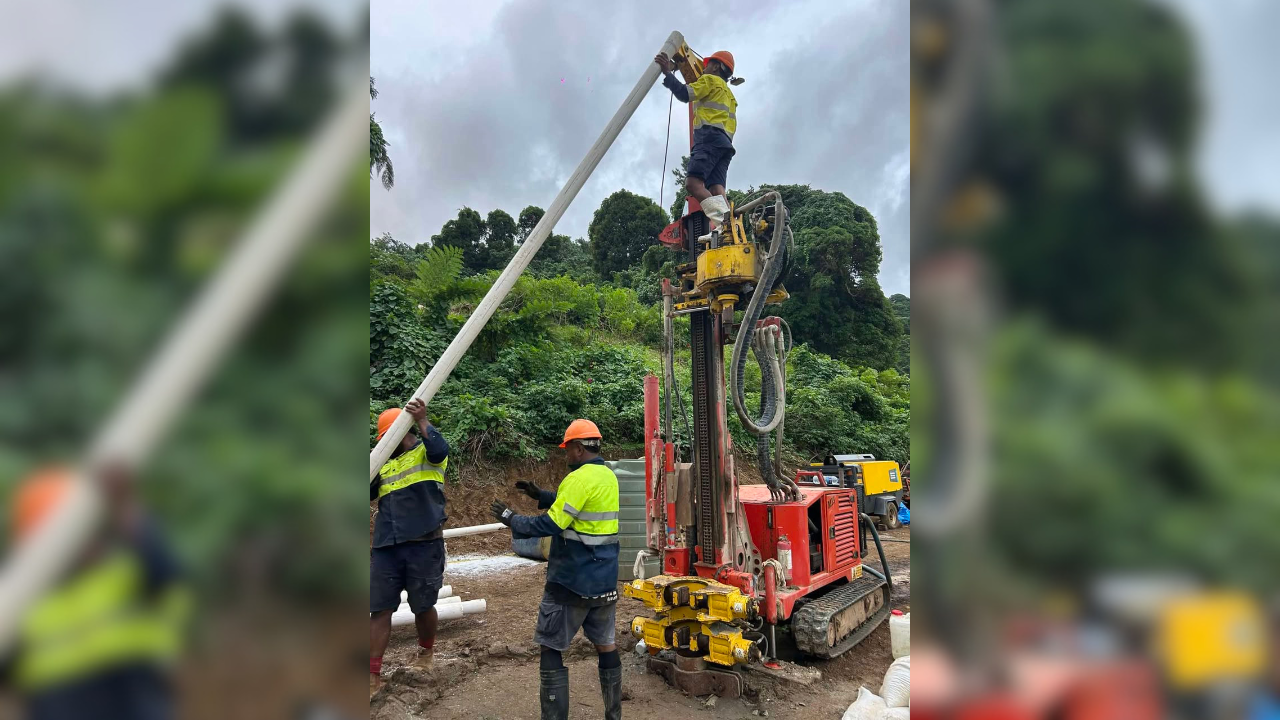
[Photo: FIJI GOVERNMENT/ FACEBOOK]
Fiji’s first airborne electromagnetic survey is expected to improve access to clean and reliable drinking water for communities around the country.
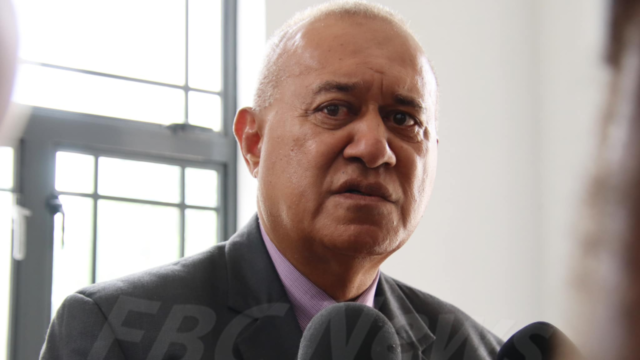
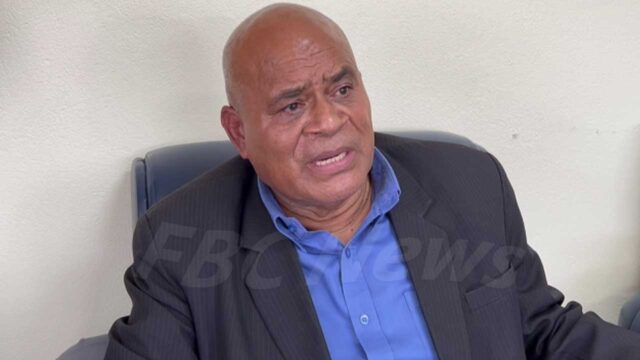
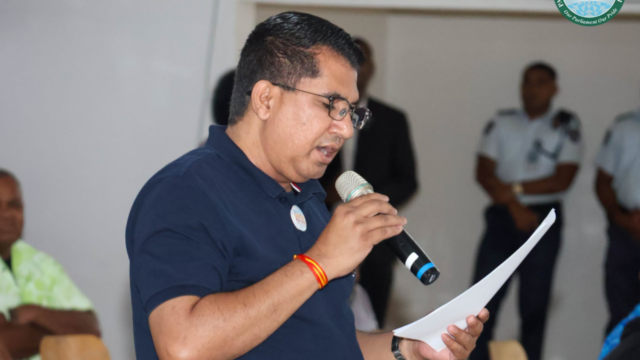
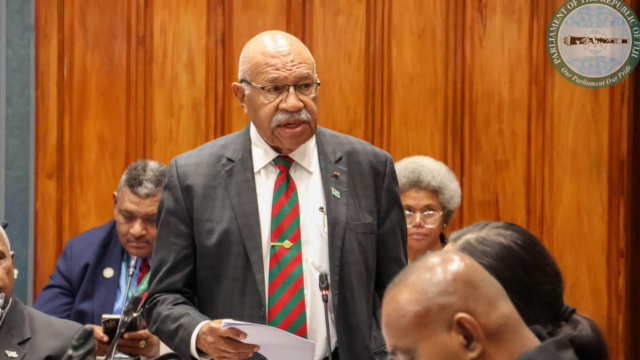
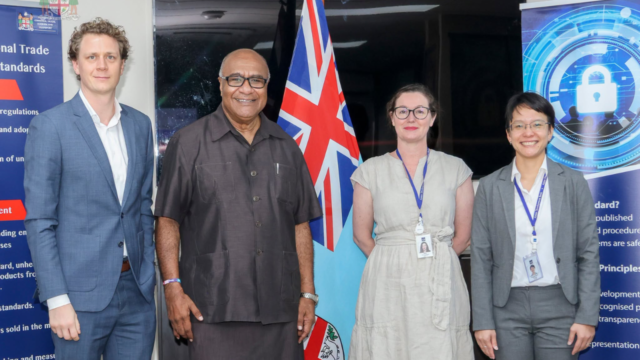
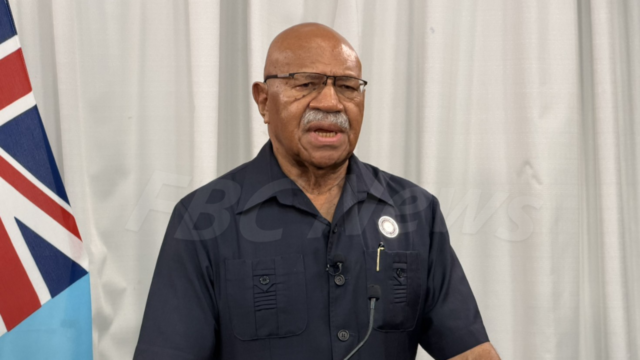
Minister for Lands and Mineral Resources Filimoni Vosarogo says the survey gives Fiji its first detailed scientific picture of groundwater beneath Viti Levu, Vanua Levu and Taveuni.
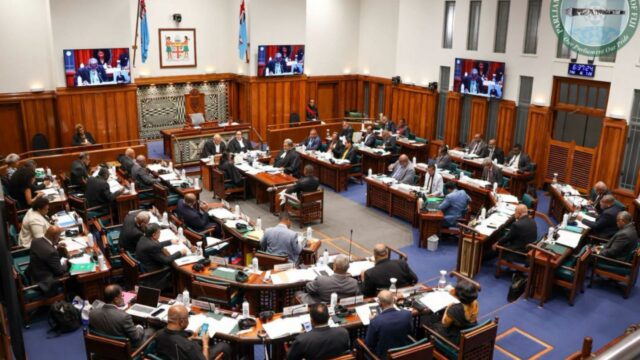
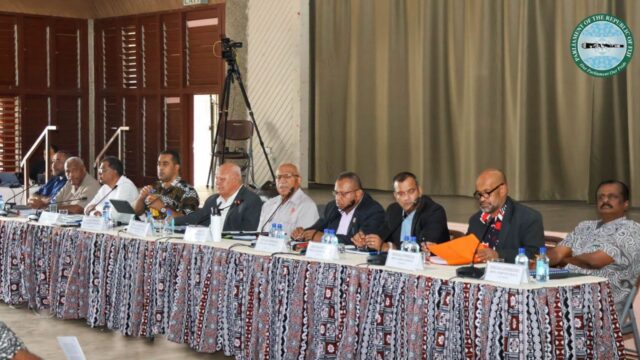
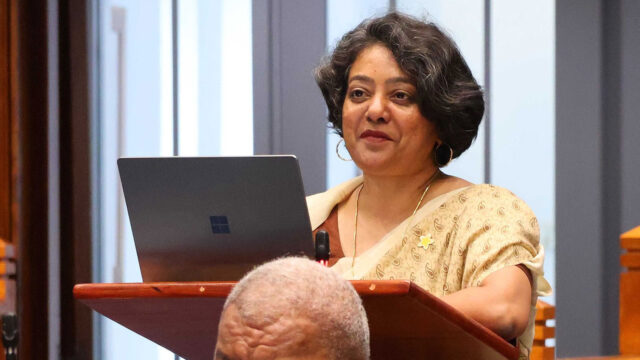
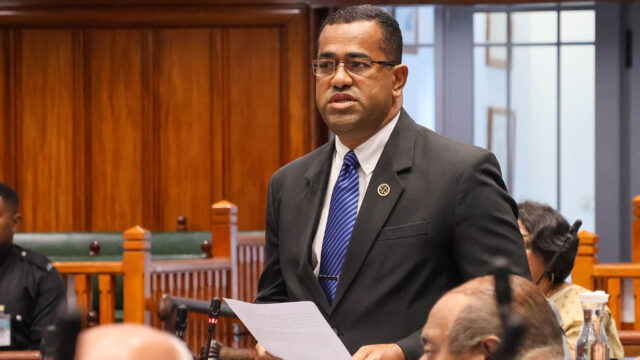
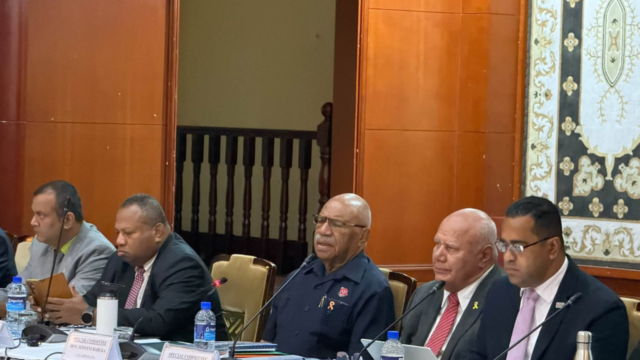
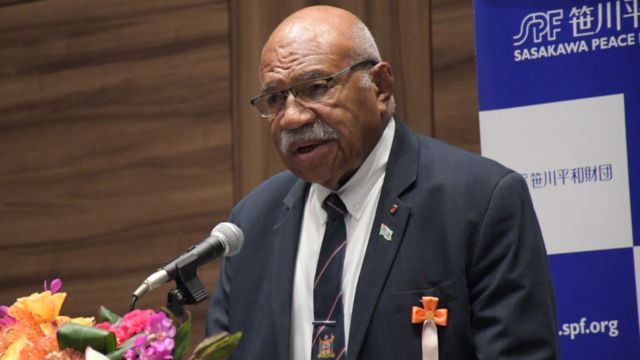
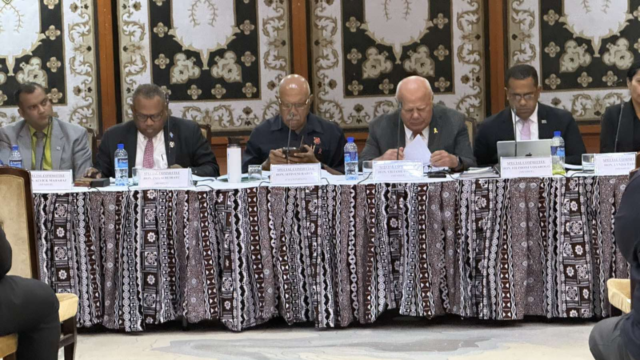
Speaking in Parliament, Vosarogo says the work was carried out last year in partnership with the Australian Government under the Vuvale Partnership.
The survey covered more than 7,000 flight-line kilometres over six months and focused on drought-prone areas, communities without a reticulated water supply and coastal regions vulnerable to saltwater intrusion.
Vosarogo says the information collected will help the Ministry locate groundwater faster and drill boreholes more accurately, something that could have taken nearly 28 years through the traditional process.
The Minister says 38 drilling sites have already been identified in the Western Division from the survey findings.
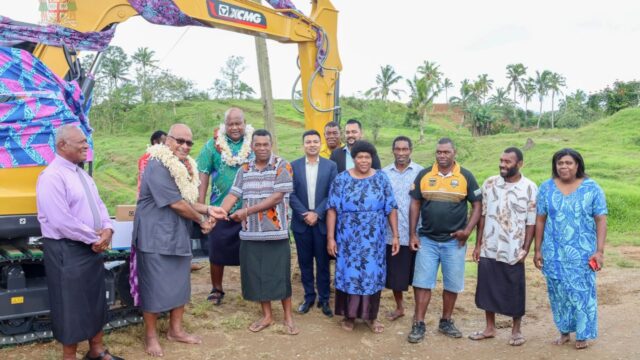
Thirteen boreholes have already been drilled successfully, with two more currently underway.
Vosarogo says this will reduce the waiting time for communities needing safe drinking water and strengthen Fiji’s response to drought and climate change.
“First, it reduces the time communities wait for safe drinking water. Second, it saves time, labour, and cost. Resources that can be redirected to more community-based activities. And third, by identifying salt water intrusion boundaries, it prevents us, it presents our finances, from expensive drilling in areas where success is unlikely and that is not efficient, that is not good stewardship.”
Since May 2024, the Ministry and private drilling companies have drilled 72 boreholes across the country.
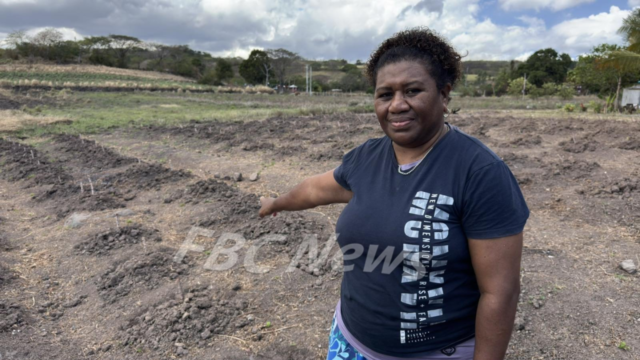
Between 2021 and 2025, 90 boreholes were completed across the Western, Northern and Eastern divisions, benefiting around 2,750 households or about 12,200 people.
Vosarogo says the survey will also support future planning to protect Fiji’s groundwater resources and improve long-term water security for communities nationwide.