 Reuters
Source: Reuters
The U.S. is setting up a facility in Kenya to quarantine U.S. citizens who have been exposed to Ebola, and will not bring them home if they develop symptoms, but instead send them to a third country, the White House said on Thursday.
The strategy marks a sharp break from past practice during previous outbreaks as President Donald Trump’s administration seeks to keep all cases out of U.S. territory.
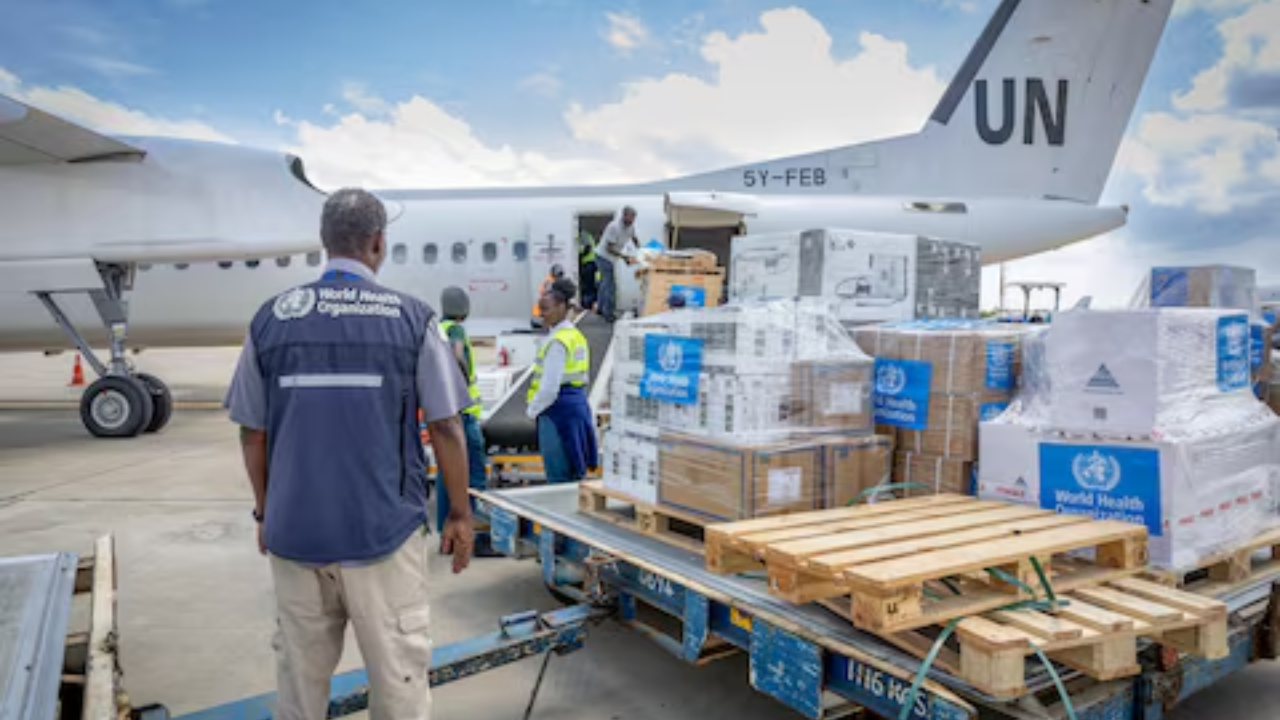
The World Health Organization this month declared the Bundibugyo strain of Ebola, for which there is no approved vaccine or treatment, an emergency of international concern, and cases are rising sharply. More than 900 suspected cases and more than 200 suspected deaths have been reported so far.
The facility, located at Laikipia Air Base in Nanyuki, Kenya, is for high-risk Americans who have been exposed to the virus but are still asymptomatic, senior Trump administration officials said on a call with reporters.
The U.S. intends to provide $13.5 million toward Kenya’s Ebola preparedness effort, the State Department said in a statement, adding that Secretary of State Marco Rubio spoke with Kenyan President William Ruto about the outbreak on Thursday.
MEDICAL TEAMS DEPLOY
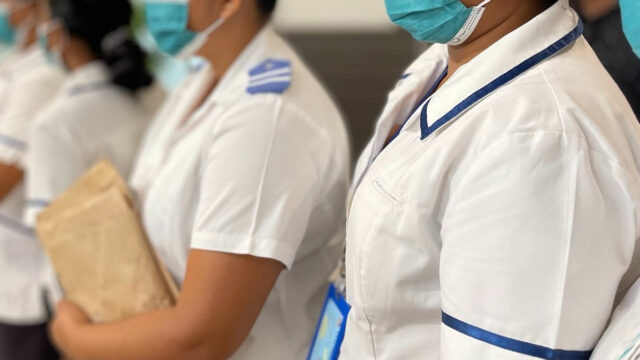
Officers from the U.S. Public Health Service will be providing care at the facility, the officials said, and will be able to use monoclonal antibody treatments and Gilead’s antiviral remdesivir on patients before they are evacuated.
Over 30, including some involved in the 2014 response, have trained in Washington for three days and left for Kenya on Wednesday night, the officials said. More will be trained this weekend before leaving for the facility next week.
The officials did not say how much it cost to set up and maintain the facility. The British government is interested in accessing the facility as well, they said.
Public health experts said patients would be better off in high-containment infectious disease centers in the U.S. or Germany rather than in a newly built location in Kenya, and that preventing patients from entering the country would disincentivize doctors from volunteering for the effort.
Last week, a U.S. citizen who was treating patients in the DRC as a medical missionary was confirmed to have contracted Ebola and moved to Germany for treatment along with five others who were exposed. A seventh person was taken to the Czech Republic.
The Washington Post, citing five people familiar with the U.S. Ebola response, reported last week that the White House resisted allowing him to return to the U.S., delaying his evacuation and care.