 Praneeta Prakash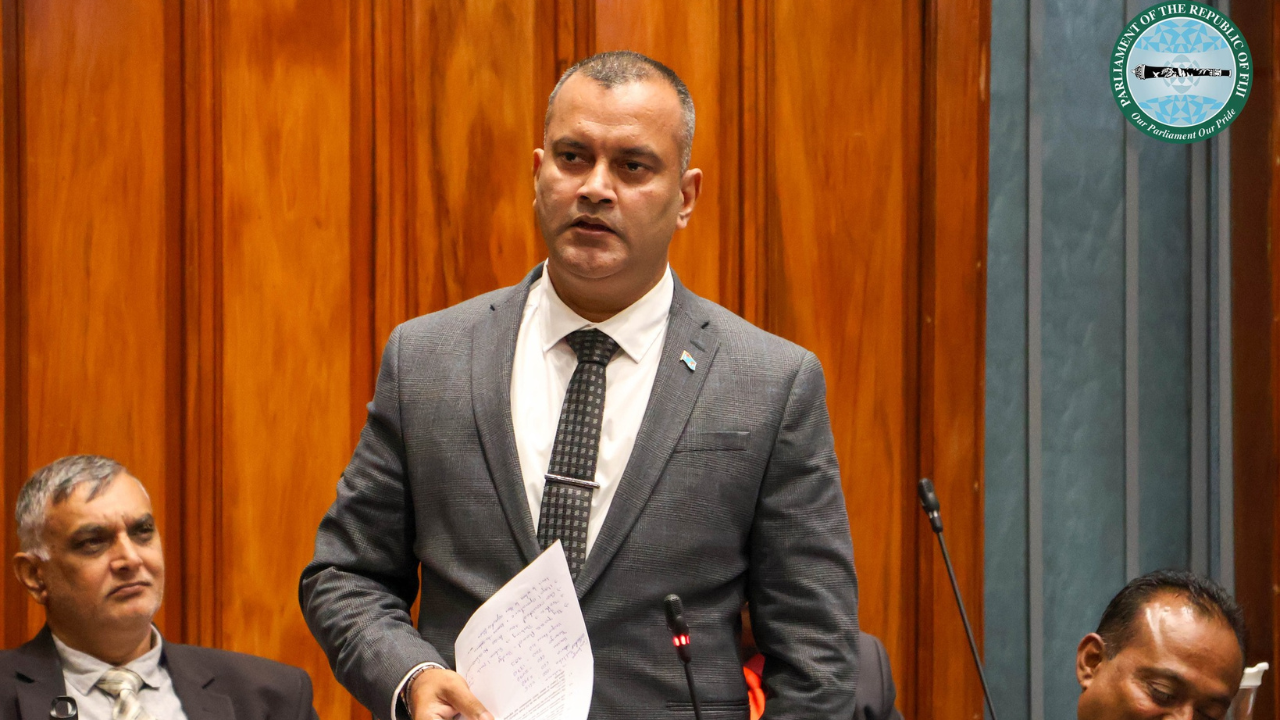
[Photo: FILE]
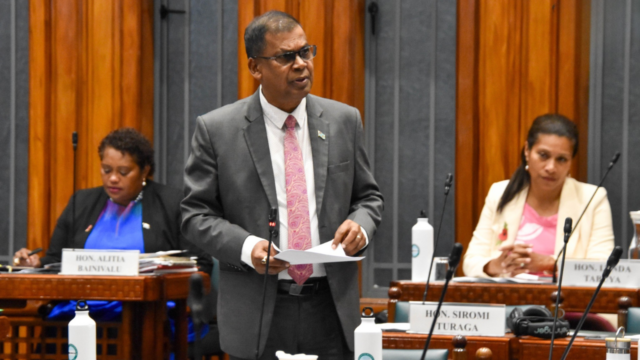
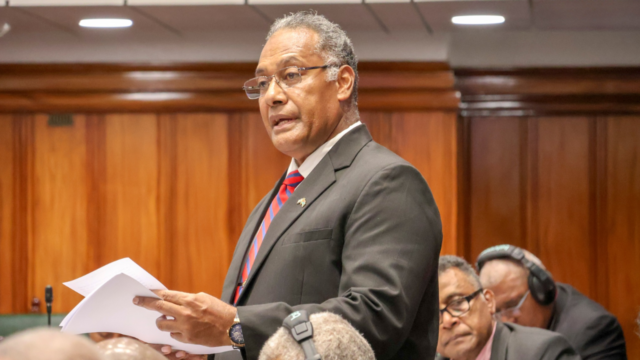
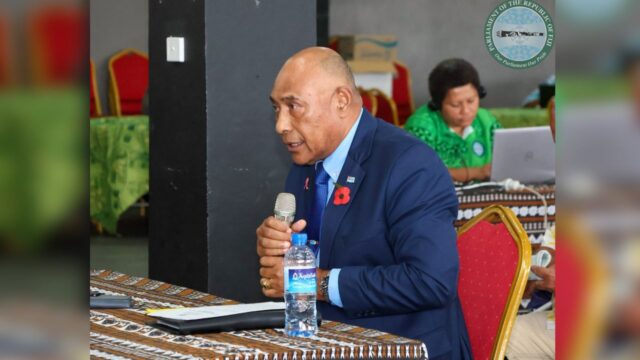
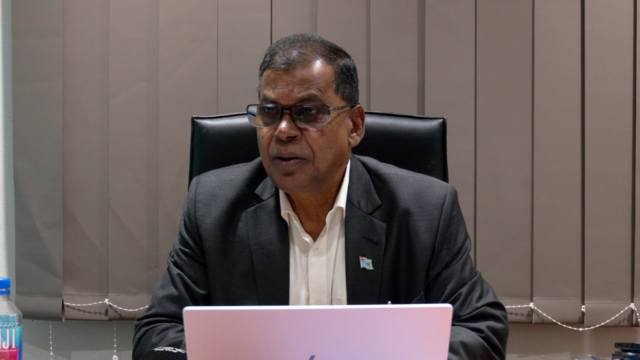
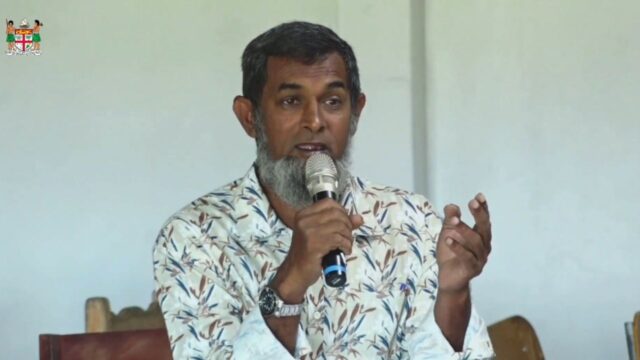
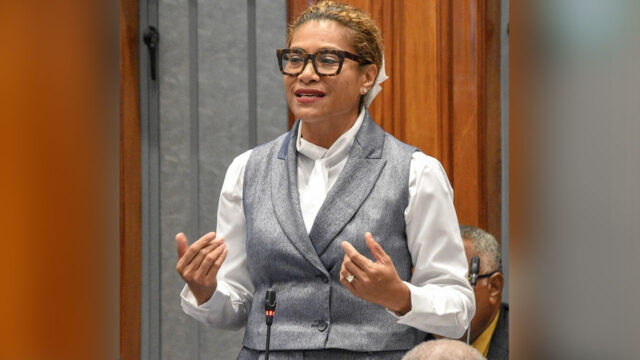
Opposition Member of Parliament, Alvick Maharaj, is calling for a more aggressive and targeted national response to the growing drug crisis, warning that the country risks losing an entire generation if urgent action is not taken.
Speaking in Parliament in response to the ministerial statement on illicit drugs and transnational organized crime, Maharaj acknowledged the work of the Office of the Director of Public Prosecutions and praised prosecutors for their success in the landmark 4.5-tonne methamphetamine importation case.
He says the case demonstrated that Fiji’s judicial and prosecutorial systems are capable of delivering results when properly supported.
However, Maharaj accused the government of failing to implement a proactive strategy over the past three years as drug abuse continued to escalate across the country.
The Opposition MP says the public was looking for solutions rather than political blame directed at previous administrations.
Maharaj also raised concerns about allegations involving officers within the Narcotics Bureau facing drug-related offences and corruption charges.
He says the situation undermines public confidence in the country’s anti-drug strategy and raises serious questions about oversight and institutional integrity.
According to Maharaj, Fiji’s geographical location has made the country vulnerable as a transit hub for international drug cartels targeting Australia and New Zealand.
He is calling on the government to strengthen negotiations with Australia for greater operational and financial assistance, including improved maritime surveillance, intelligence sharing, and rehabilitation funding.
Maharaj warns that the drug crisis is having devastating social consequences, including the breakdown of families, rising violent crime, and the destruction of opportunities for young people.
“It is time to stop the excuse, stop the blame, and deliver the comprehensive, heavily funded national response before our societal fabric is destroyed.”
He is also proposing a more targeted approach to addressing the issue through the collection of ethnicity, gender, provincial, and tikina-based data to help develop tailored solutions for affected communities.