 Sainimili Magimagi
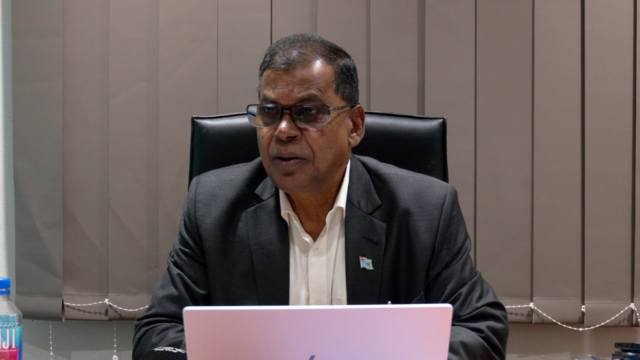
Minister for Agriculture and Waterways Tomasi Tunabuna. [Photo: FILE]
Fiji is facing growing biosecurity risks due to climate change, increased trade and travel, and the movement of pests and diseases across borders.
Minister for Agriculture and Waterways Tomasi Tunabuna says these threats are becoming harder to control and continue to affect agriculture production, farmers’ livelihoods and food supply chains.
He pointed to the impact of the fall armyworm on Fiji’s maize production system last year as an example of the challenges facing the sector.
Tunabuna says the government’s approach remains focused on prevention, preparedness and partnership.
“Robust biosecurity is not a choice. It is a national necessity. The cost of prevention will always be far less than the cost of response.”
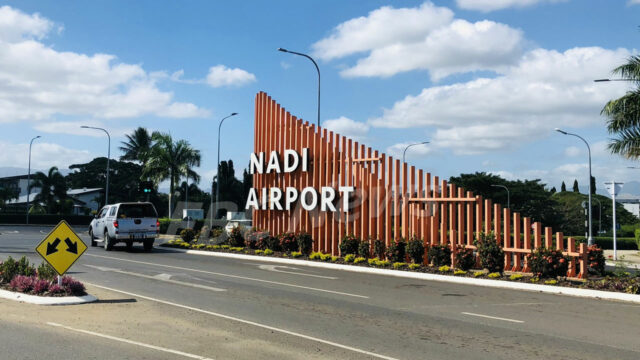
He says the Biosecurity Authority of Fiji is strengthening border inspections at entry points, expanding surveillance in high-risk areas and improving laboratory capacity to quickly detect harmful organisms.
Tunabuna says protecting Fiji’s borders from pests and diseases is not the responsibility of the government alone, adding that travellers, farmers, importers, exporters, businesses and communities all have a role to play in protecting Fiji’s food systems.
He says once invasive pests become established, the impact can be severe and long-lasting on food production, trade, biodiversity and livelihoods.
Tunabuna also acknowledged the role of the Fiji National University and research institutions in building future expertise in plant health, biosecurity and agriculture.