 Riya Mala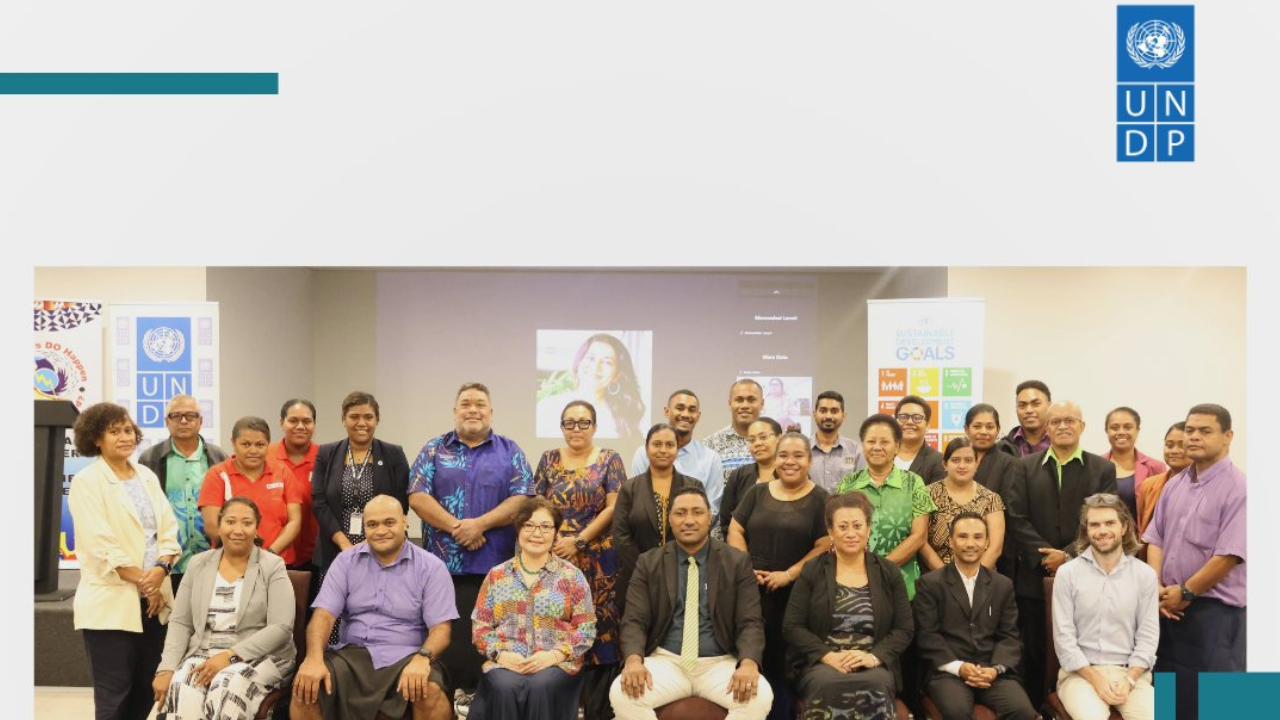
[Photo: UNDP/ FACEBOOK]
Fiji’s early warning systems will receive a major boost thanks to a $15.4 million United Nations Development Programme initiative.
Fiji is a beneficiary of the major multi-country project aimed at improving early warning systems for climate-related disasters, with a strong focus on protecting vulnerable and hard-to-reach communities.
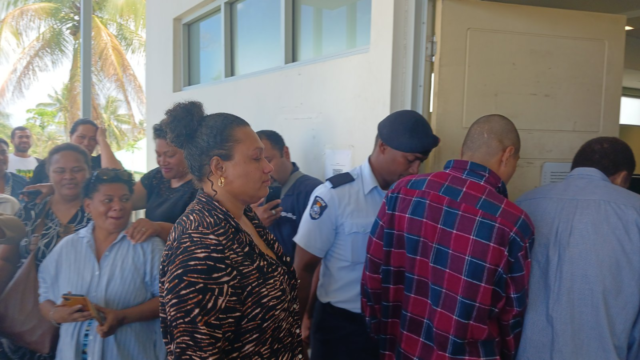
The Multi-Country Project Advancing Early Warnings for All was officially launched in Suva on 26 May and is supported by the Green Climate Fund.
It forms part of a global United Nations initiative to ensure every person has access to life-saving early warning information.
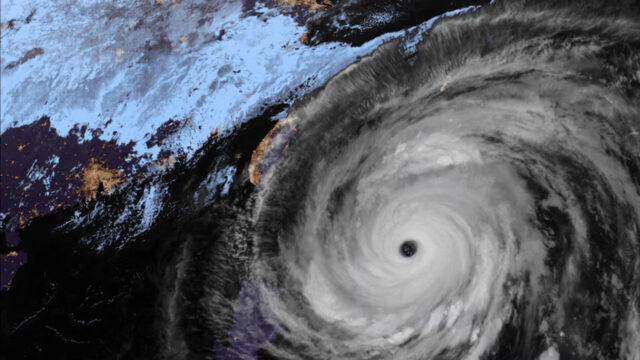
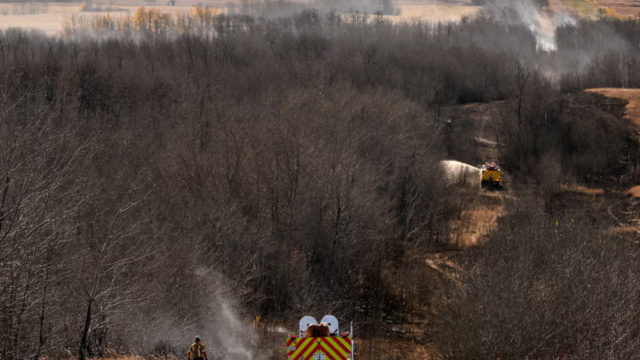
Fiji is highly exposed to climate hazards, with annual losses from cyclones and floods exceeding $500 million, more than five percent of the country’s GDP.
Rising temperatures and increasing extreme rainfall are also expected to worsen floods, landslides, storm surges, and coastal erosion.
However, officials say the biggest challenge is not only the scale of disasters, but also unequal access to warning systems. Remote islands, coastal settlements, and rural communities often struggle to receive timely and clear alerts, making them more vulnerable during emergencies.
The EW4All project aims to close this gap by ensuring early warnings are not only issued but also reach people in time, are understood, and can be acted upon. It places special focus on women, persons with disabilities, the elderly, and isolated communities.
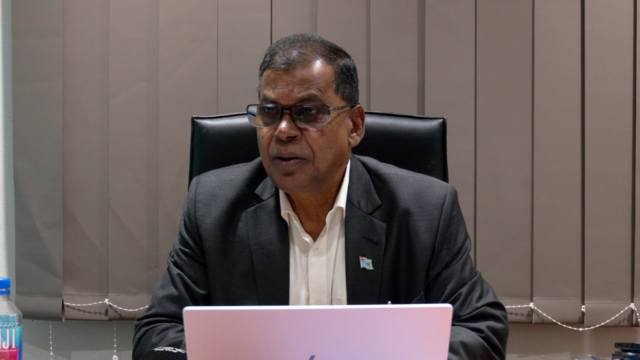
Acting Permanent Secretary for Rural and Maritime Development and Disaster Management, Mitieli Cama, said the goal is to ensure no community is left without critical warnings, regardless of location.
UN Development Programme Resident Representative Munkhtuya Altangerel said the $15.4 million investment will strengthen early warning systems and help communities gain the knowledge and tools needed to respond to disasters.
Green Climate Fund Regional Director for Asia Pacific Hemant Mandal said the project supports practical, country-led resilience efforts to help Pacific nations prepare for increasing climate risks.
The initiative will be implemented by the UNDP Pacific Office in Fiji, together with national and international partners, including disaster management agencies, meteorological organisations, telecommunications bodies, and the Red Cross.