 Riya Mala
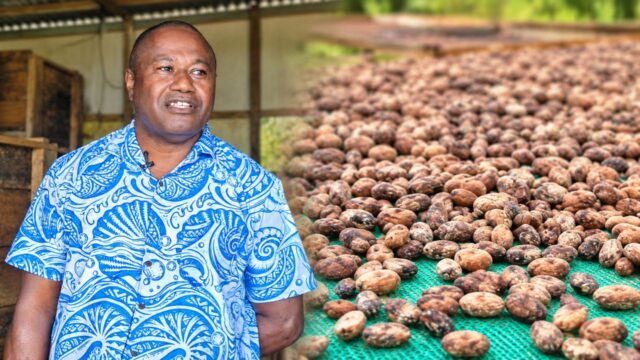
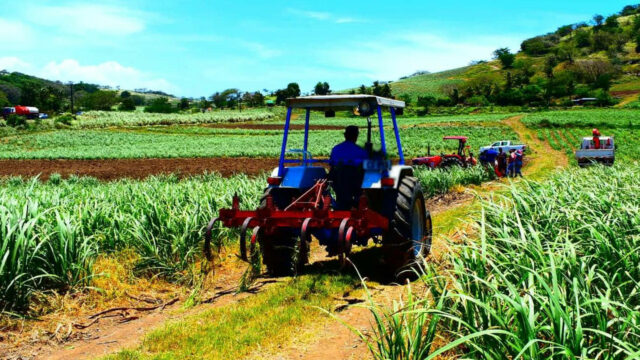
The $83,000 study will assess three to four potential value chains across vegetables, fruits, food crops and livestock. [Photo: FILE]
Fiji is ramping up efforts to diversify its agriculture sector as the country’s food import bill climbs to more than $1.18 billion.
Agriculture Minister Tomasi Tunabuna says the rising import costs highlight the urgent need to boost local production and create new income streams for sugarcane farmers.
He says the government, in partnership with the European Union, will carry out a feasibility study to identify alternative high-value crops and livestock systems for farming communities.
The $83,000 study will assess three to four potential value chains across vegetables, fruits, food crops, and livestock.
“However, the commencement has been slightly delayed due to the disruption in the Middle East, which has affected the deployment of international experts and the scheduling of in-country missions. I am pleased to inform this August House that the full mission of the feasibility study will now begin in mid-July 2026.”
Opposition MP Viam Pillay questioned whether diversification efforts could undermine past investments in the sugar industry.
“Including cane planting grants and field organization, investment by farmers and trucks, harvesters, tractors, how does the ministry justify this sudden shift towards the diversification which threatens to turn those multimillion-dollar investments into a massive financial waste?”
In response, Tunabuna says diversification is not about replacing sugar, but strengthening farmer income options alongside existing cane production.
He adds that similar reforms in other countries have delivered long-term economic benefits.