 Praneeta Prakash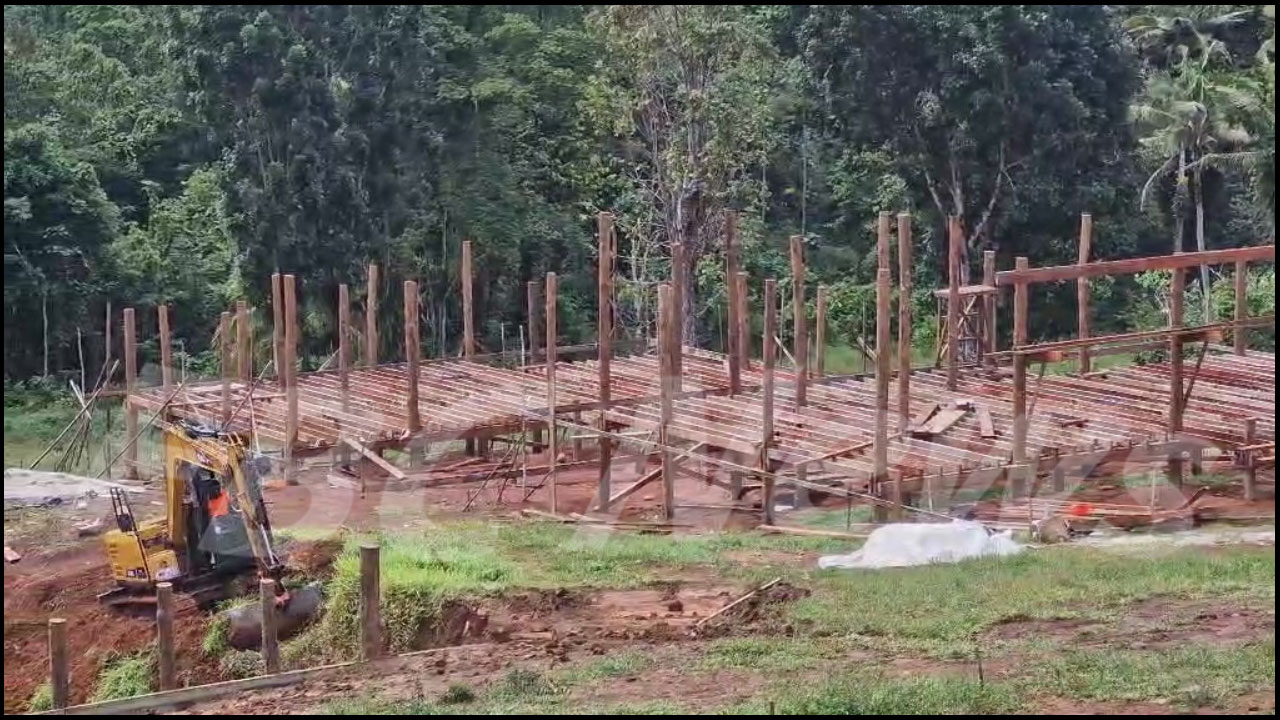
Concerns are growing over the long-term outcomes of village relocation projects in Fiji, with calls for a more holistic approach to ensure displaced communities maintain dignity, livelihoods, and access to basic services.
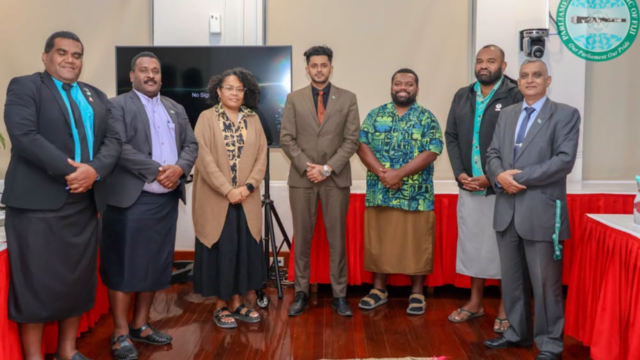
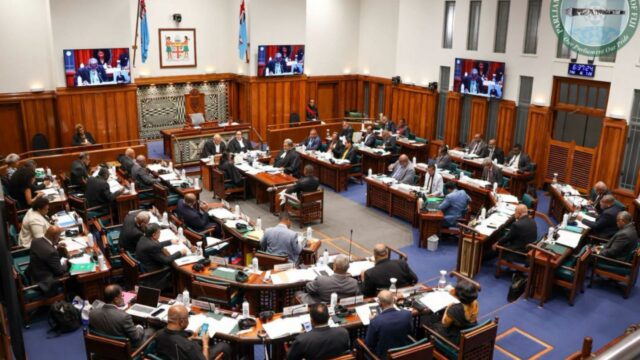
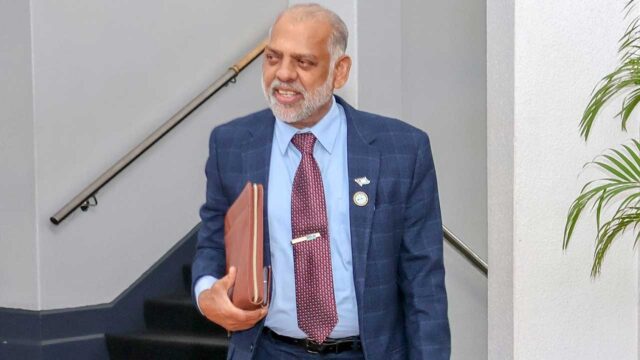
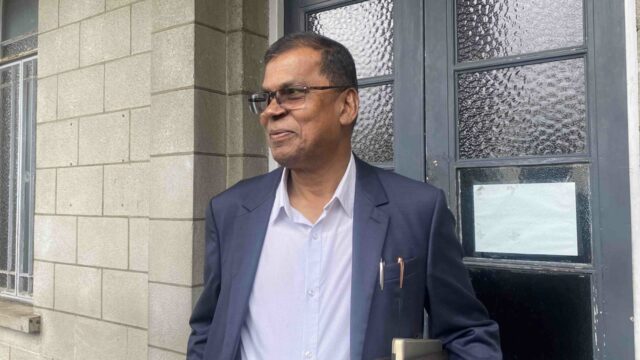
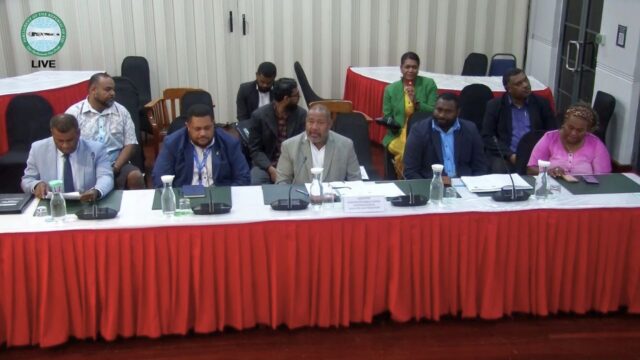
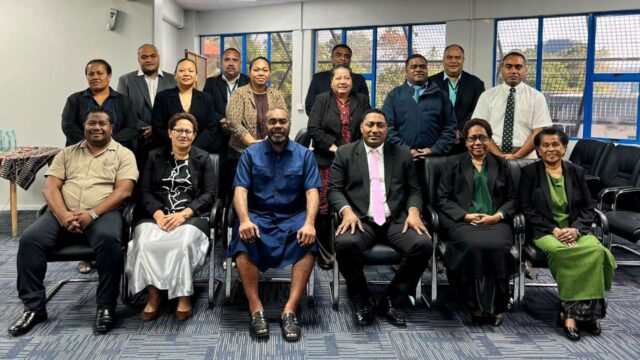
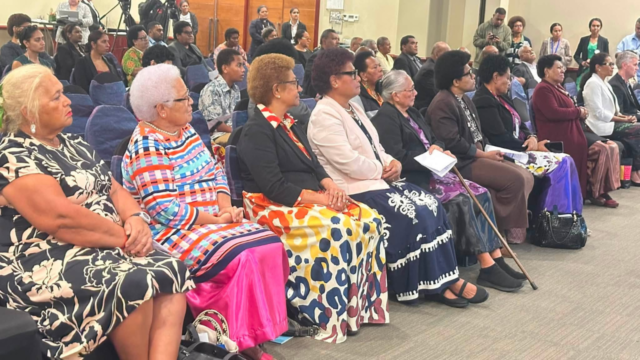
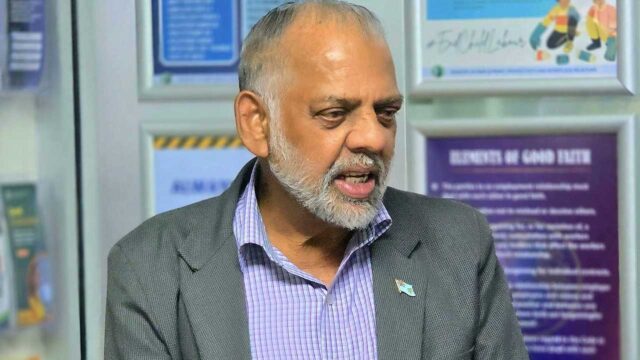
During submissions to the Standing Committee on Public Accounts, member Sachida Nand raised concerns about whether relocated communities are receiving adequate support after moving from their original homes.
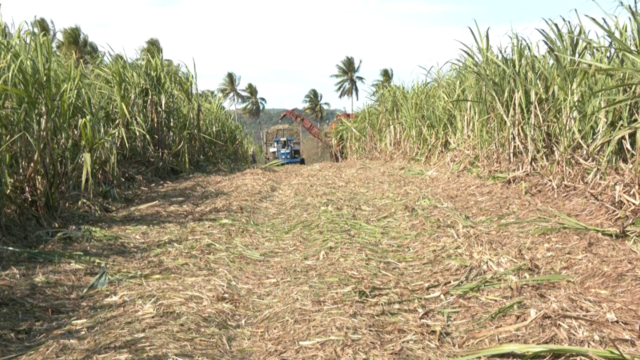
He highlighted cases where villagers were relocated away from traditional sources of income, only to be settled in areas where housing and livelihood opportunities remain limited.
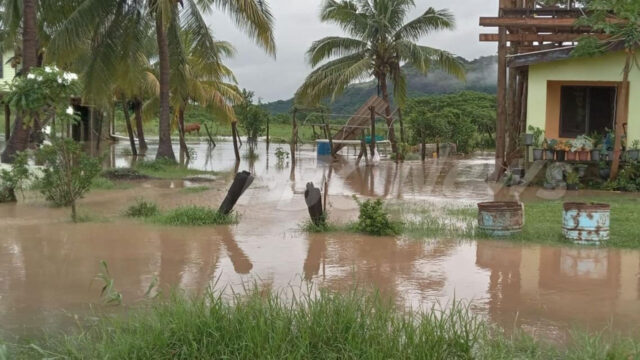
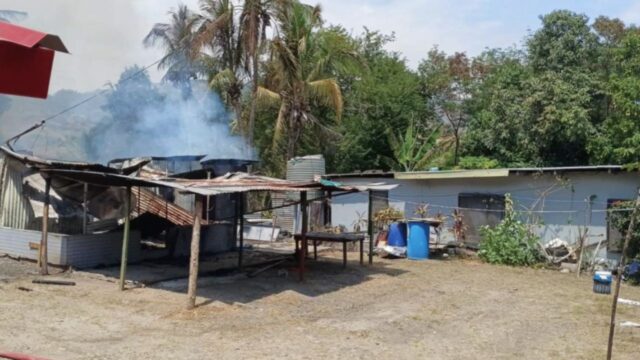
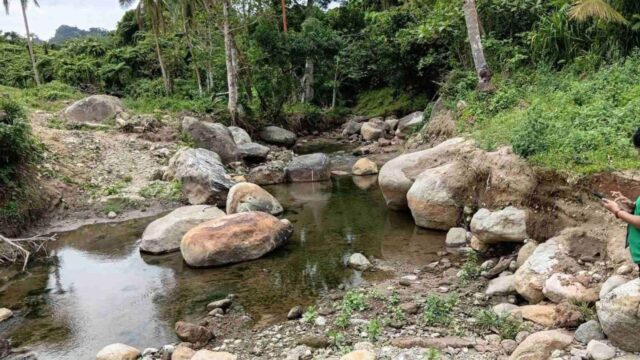
“I think Vunidogoloa is a very classic example where they were taken away from their livelihood and placed in a spot where they needed to go back and do gardening or farming, back to where the settlement was initially and the dwellings are all falling apart and it’s corrugated iron and wooden structures, which are not conforming to any of the standards.”
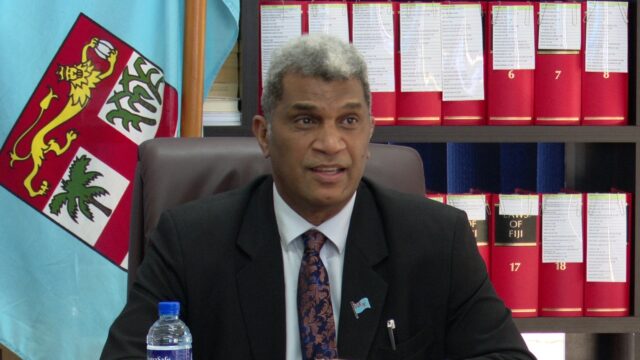
In response, Climate Change Permanent Secretary Sivendra Michael acknowledged that earlier relocation efforts faced major challenges due to the absence of national guidelines at the time.
He said the Vunidogoloa relocation, initiated in 2012 after seven years of negotiation, took place before Fiji had formal relocation policies in place.
Dr Michael says new standard operating procedures have since been introduced to improve planning, design, and sustainability of relocation projects.
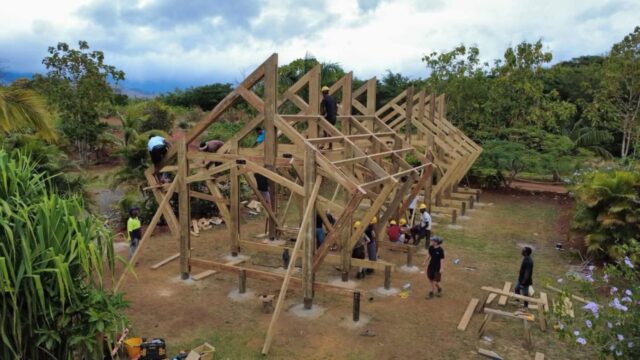
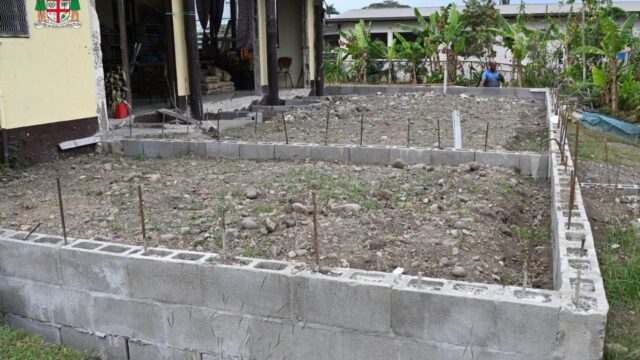
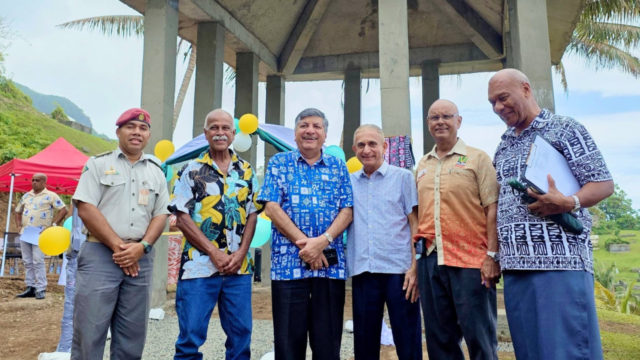
“The first ever community that has been relocated using the standard operating procedure currently is Nabavatu. Nabavatu being the first one, you can see that the costings are right, the house designs are very different. This is also done very thoroughly through a process where we actually give design specifications for the building to the contractors. We also went to tender and we had this negotiation with them.”
He stresses that relocation is treated as a last resort and only carried out with community consent.
The Ministry says efforts are also underway to review earlier relocation sites and address gaps, including housing quality and access to essential services.