 Sainimili Magimagi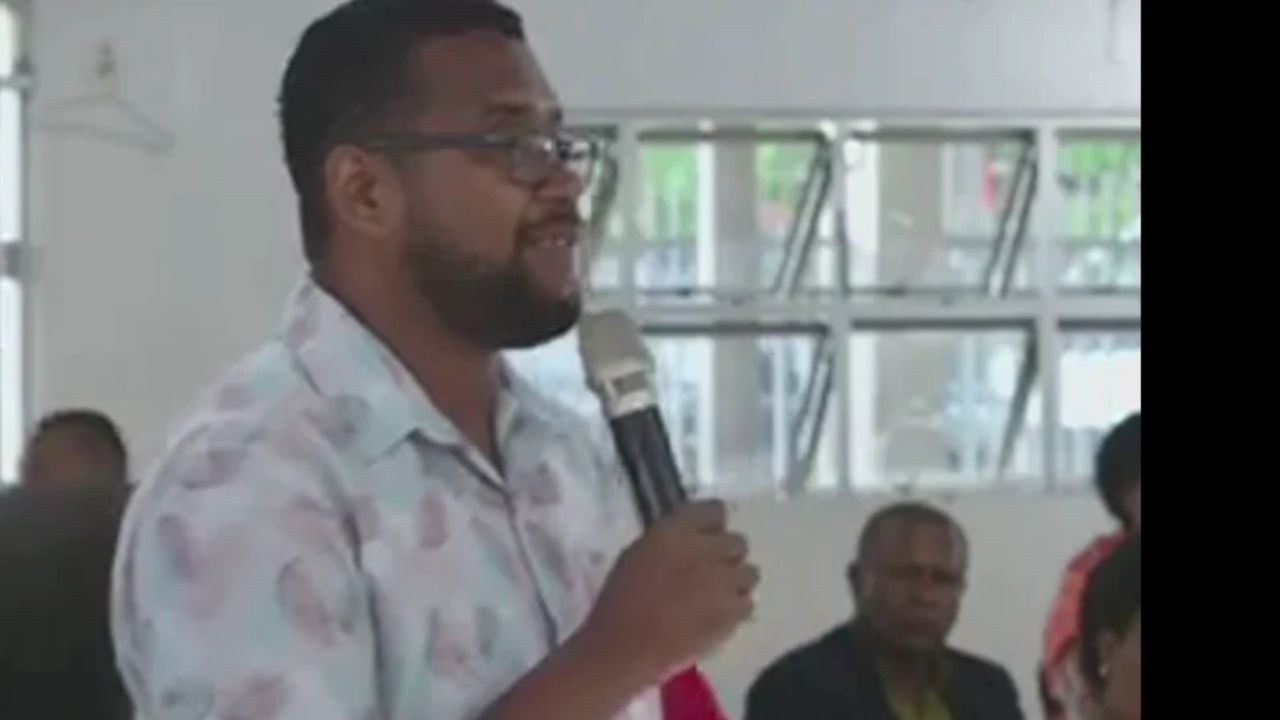
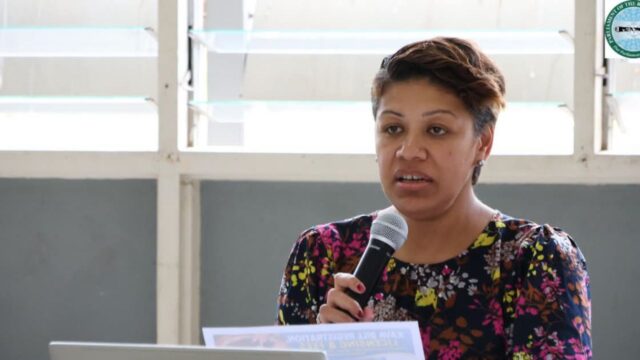
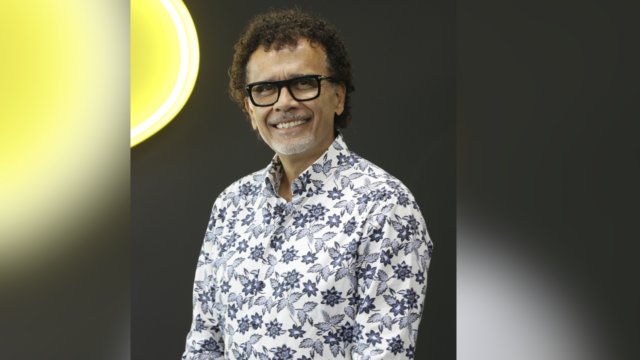
[Photo: Supplied]
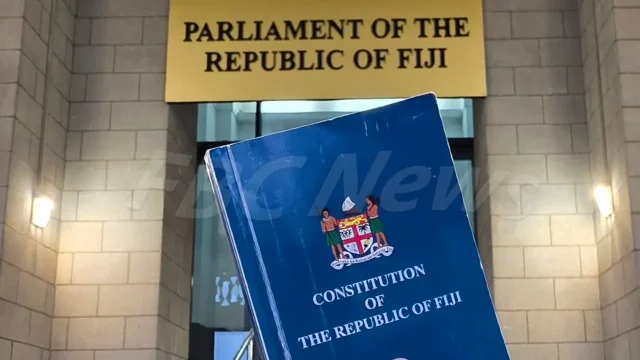
A Fijian youth has warned that Fiji’s proposed 2026 Constitution must not weaken the separation of powers or concentrate authority in the hands of the executive, raising concerns over the appointment of the Chief Justice, the cost of reintroducing the Senate and FICAC’s prosecutorial powers.
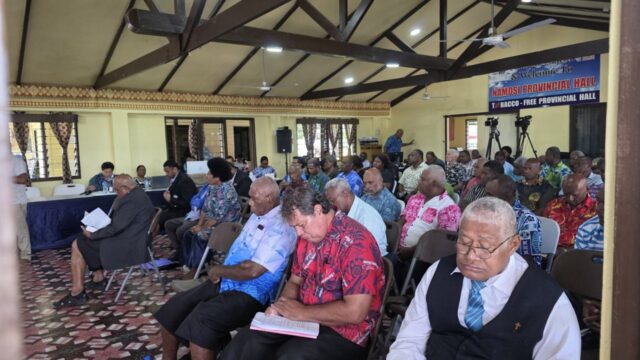
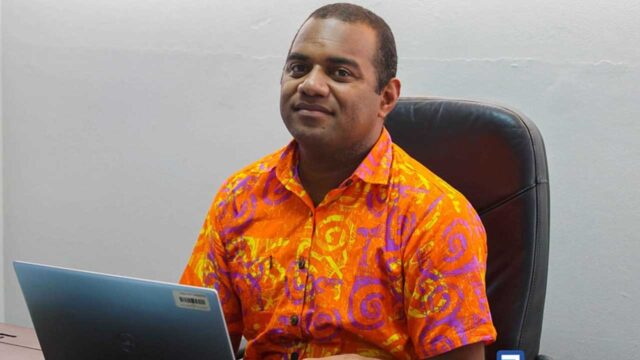
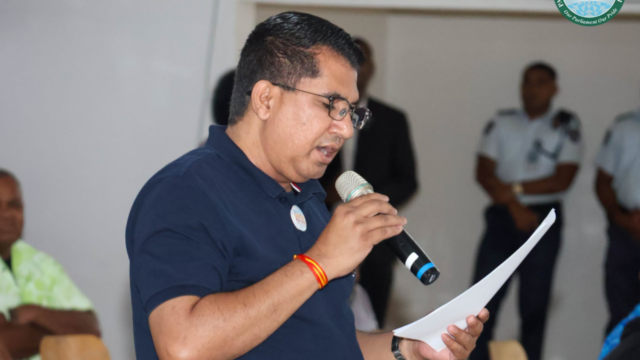
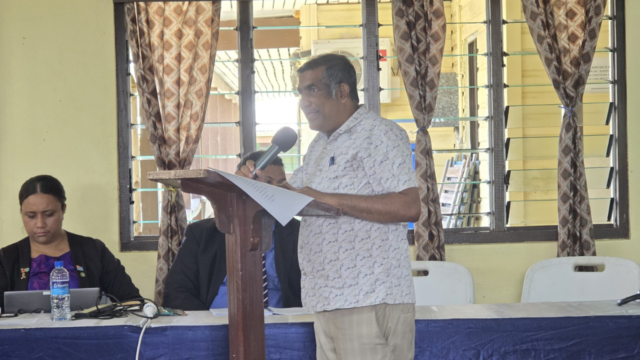
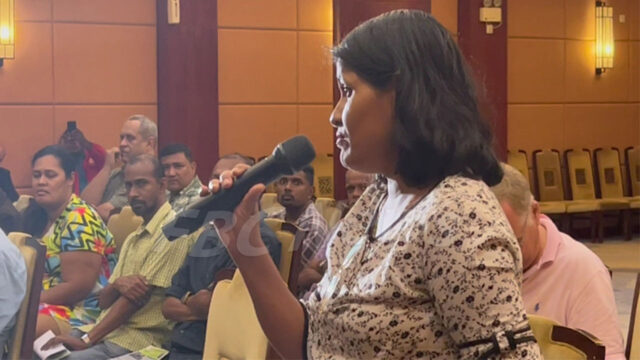
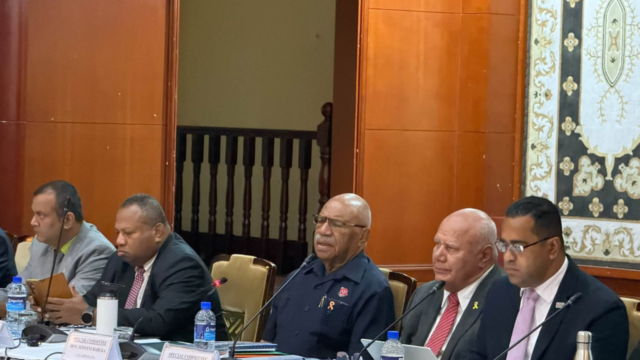
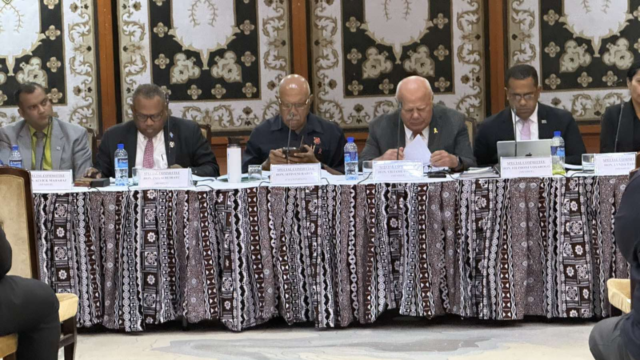
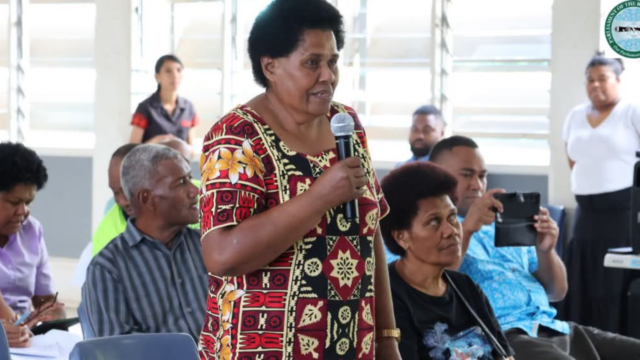
Speaking during consultations with the Special Committee on the Constitutional Review, Lavetanalagi called for an extension of the consultation period, saying the process had moved too quickly for the public to properly assess the Constitution Review Commission’s recommendations against the Government’s proposed changes.
Lavetanalagi described the Constitution as an intergenerational document that must protect democracy regardless of who is in power. The limited time for scrutiny, Lavetanalagi argued, does not give communities enough opportunity to understand and respond to changes that will shape Fiji’s supreme law.
A key concern was the proposed appointment of the Chief Justice by the Prime Minister. Lavetanalagi questioned whether this arrangement would safeguard judicial independence, stressing that any constitutional changes must maintain a clear separation between the executive, Parliament and the judiciary.
Lavetanalagi also rejected the proposed reintroduction of the Senate, questioning the need for another unelected chamber in a small country that already has a substantial
Cabinet and Parliament.
The concern was not only about the structure of government, but also the financial burden on taxpayers when essential services, including healthcare and water supply, require attention.
On electoral reform, however, Lavetanalagi supported constituency-based voting, arguing that the current system makes it difficult for voters to identify and hold individual MPs accountable. Direct representation, Lavetanalagi said, would give communities a clear point of contact when raising concerns about health, water and other local issues.
Lavetanalagi called for the protections in the 2013 Constitution’s Bill of Rights to be retained, while reviewing restrictions on freedom of assembly and expression that may limit the exercise of those rights.
The submission also raised questions about resource ownership, with Lavetanalagi calling for a fairer distribution of mineral wealth between the State and landowners.
Referring to concerns raised during consultations on the Minerals and Mining Act, Lavetanalagi questioned the continued vesting of mineral ownership in the State under the existing law.
On anti-corruption measures, Lavetanalagi said FICAC has an important role in promoting transparency and accountability but raised concerns about allegations that it has been used to target Opposition figures and people critical of the Government.
Lavetanalagi argued that FICAC should not hold prosecutorial powers, which should rest solely with the Office of the Director of Public Prosecutions.